Languages
Thursday, April 25, 2024



News and Views from the Global South

U.S. Investigation into Illegal Timber Imports a “Sea Change”
A year after a U.S. company was accused of engaging in the systematic importing of flooring made from illegally harvested timber, pressure is mounting on federal agencies currently investigating the allegations.
New Global Declaration “Insufficient” to Tackle Deforestation
Heads of state, civil society groups and the leaders of some of the world’s largest companies this week urged their peers to sign on to a landmark new global agreement aimed at halting deforestation by 2030, even as others are warning the accord is too lax.U.S. to Create National Plan on Responsible Business Practices
The United States will begin developing a national action plan on responsible business practices, following on several years of related advocacy from civil society.
Obama Mandates Climate Resilience in All U.S. Development Projects
All international development assistance and investments from the United States will now be required to take into account the potential impacts of climate change, according to a new rule signed Tuesday by President Barack Obama.World Bank Reports Major Global Support for Carbon Pricing
Seventy-three countries and 22 lower-level governments offered formal support Monday for a global price on carbon dioxide emissions, including China, Russia and the European Union.
New Fund to Build on “Unprecedented Convergence” Around Land Rights
Starting next year, a new grant-making initiative will aim to fill what organisers say has been a longstanding gap in international coordination and funding around the recognition of community land rights.World Bank Tribunal Weighs Final Arguments in El Salvador Mining Dispute
A multilateral arbitration panel here began final hearings Monday in a contentious and long-running dispute between an international mining company and the government of El Salvador.
Majority of Consumer Products May Be Tainted by Illegal Deforestation
At least half of global deforestation is taking place illegally and in support of commercial agriculture, new analysis released Thursday finds – particularly to supply overseas markets.
U.S. Military Joins Ebola Response in West Africa
The U.S. military over the weekend formally began to support the international response to the Ebola outbreak in West Africa.Global Summit Urged to Focus on Trillion-Dollar Corruption
New analysis suggests that developing countries are losing a trillion dollars or more each year to tax evasion and corruption facilitated by lax laws in Western countries, raising pressure on global leaders to agree to broad new reforms at an international summit later this year.
Criminalisation of Homelessness in U.S. Criticised by United Nations
A United Nations panel reviewing the U.S. record on racial discrimination has expressed unusually pointed concern over a new pattern of laws it warns is criminalising homelessness.
Large Dams “Highly Correlated” with Poor Water Quality
Large-scale dams are likely having a detrimental impact on water quality and biodiversity around the world, according to a new study that tracks and correlates data from thousands of projects.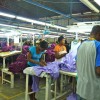
World Bank Urged to Rethink Reforms to Business-Friendliness Report
Civil society groups from several continents are stepping up a campaign urging the World Bank to strengthen a series of changes currently being made to a major annual report on countries’ business-friendliness.
U.S., Brazil Nearing Approval of Genetically Engineered Trees
The U.S. and Brazilian governments are moving into the final stages of weighing approval for the commercialisation of genetically engineered eucalyptus trees, moves that would mark the first such permits anywhere in the world.
Despite Current Debate, Police Militarisation Goes Beyond U.S. Borders
The shooting of an unarmed black teenager by a white police officer in the southern United States earlier this month has led to widespread public outrage around issues of race, class and police brutality.
U.S. Waives Sanctions on Myanmar Timber
Civil society groups are split over a decision by the U.S. government to waive sanctions on Myanmar’s timber sector for one year.IFC Warned of Systemic Safeguards Failures in Honduras
For the second time this year, an internal auditor has criticised the World Bank’s private sector investment agency over dealings in Honduras, and is warning that similar problems are likely being experienced elsewhere.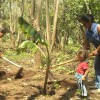
Forest Rights Offer Major Opportunity to Counter Climate Change
The international community is failing to take advantage of a potent opportunity to counter climate change by strengthening local land tenure rights and laws worldwide, new data suggests.
U.S. Debating “Historic” Support for Off-Grid Electricity in Africa
Pressure is building here for lawmakers to pass a bill that would funnel billions of dollars of U.S. investment into strengthening Africa’s electricity production and distribution capabilities, and could offer broad new support for off-grid opportunities.
U.S. Accused of Forcing EU to Accept Tar Sands Oil
Newly publicised internal documents suggest that U.S. negotiators are working to permanently block a landmark regulatory proposal in the European Union aimed at addressing climate change, and instead to force European countries to import particularly dirty forms of oil.
Major Companies Push for More, Easier Renewable Energy
Some of the largest companies in the United States have banded together to call for a substantial increase in the production of renewable electricity, as well as for more simplicity in purchasing large blocs of green energy.« Previous Page — Next Page »







The Week with IPS

NEXT STOP - SDGs
Tracking global progress towards a sustainable world
Tracking global progress towards a sustainable world
