Languages
Tuesday, April 23, 2024



News and Views from the Global South

Cultivating a Different Future for Rural Women in Argentina
Her seven children have grown up, but she now takes care of a young grandson while working in her organic vegetable garden in El Pato, south of the city of Buenos Aires. Olga Campos wants for them what she wasn’t able to achieve: an education to forge a different future.
Argentina at Risk of an Educational System Serving the Market
In Argentina, teachers, students and trade unionists are protesting against mass redundancies in education, which they say are part of a process of undermining public education and a move towards a new model based on market needs.
Urban Land – a Key Building Block to Full Rights
Now that the wind no longer blows her roof off and her house belongs to her, Cristina López feels safe in the shantytown where she lives on the outskirts of the Argentine capital. But she and her neighbours still need to win respect for many more rights they have been denied.
Talking Openly – The Way to Prevent Teenage Pregnancy
In plain and simple language, an Argentine video aimed at teenagers explains how to get sexual pleasure while being careful. Its freedom from taboos is very necessary in Latin American countries where one in five girls becomes a mother by the time she is 19 years old.
“Them” and “Us”, a Metaphor for Urban Inequality
For the inhabitants of “Bajo Autopista” (Under the Freeway), a slum built under an expressway in the Argentine capital, “they” are the people who live in areas with everything that is denied to “us” – a simple definition of social inclusion and a metaphor for urban inequality.
Prickly Pears Drive Local Development in Northern Argentina
Family farmers in the northern Argentine province of Chaco are gaining a new appreciation of the common prickly pear cactus, which is now driving a new kind of local development.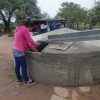
Harvesting Rainwater to Weather Drought in Northeast Argentina
In a semiarid region in the northeast Argentine province of Chaco, small farmers have adopted a simple technique to ensure a steady water supply during times of drought: they harvest the rain and store it in tanks, as part of a climate change adaptation project.
Argentina’s ‘Shale Capital’ Suffers from Slowdown
The dizzying growth of Añelo, a town in southwest Argentina, driven by the production of shale oil and gas in the Vaca Muerta geological reserve, has slowed down due to the plunge in global oil prices, which has put a curb on local development and is threatening investment and employment.
Clean Clothes – Fashion Free of Slave Labour in Argentina
In Argentina, there are now 20 brand names that guarantee that their garments are produced by workers in decent working conditions, thanks to the Clean Clothes network, aimed at eradicating slave labour in the garment industry, which illegally employs some 30,000 people in sweatshops around the country.
Argentina’s Ties with China: Pragmatism over Politics
Argentina’s new government is reviewing several major projects to be carried out jointly with China. But aside from a few changes in priorities, the administration is not expected to put the brakes on an alliance that Beijing classifies as strategic.
Argentina and United Arab Emirates Open New Stage in Bilateral Relations
With United Arab Emirates’ foreign minister Sheikh Abdullah bin Zayed Al Nahyan’s visit to Argentina, the two countries launched a new stage in bilateral relations, kicked off by high-level meetings and a package of accords.
United Arab Emirates Strengthens Ties with Argentina’s New Government
The new government of Argentina and the United Arab Emirates (UAE) are strengthening the relationship established by the previous administration, at a time when this South American country is seeking to bring in foreign exchange, build up its international reserves and draw investment, in what the authorities describe as a new era of openness to the world.
Precarious Nature of Public Employment Facilitated Mass Lay-offs in Argentina
Argentina’s new conservative government has already laid off 20,000 public employees since early December. Analysts have described the phenomenon as a “purge” of “militants” who supported the last administration, facilitated by the precarious employment conditions in the public sector, despite the steps taken to provide greater job stability over the last decade.
Soy Boom Revives Amazon Highway
The BR-163 highway, an old dream of the Brazilian military to colonise the Amazon jungle, was revived by agroexporters as part of a plan aimed at cutting costs by shipping soy out of river ports. But the improvement of the road has accentuated problems such as deforestation and land tenure, and is fuelling new social conflicts.
Floods Pose Challenge for South American Integration
The flooding that has affected four South American countries has underscored the need for an integrated approach to addressing the causes and effects of climate change.
Indigenous Villagers Fight “Evil Spirit” of Hydropower Dam in Brazil
At dusk on the Tapajós River, one of the main tributaries of the Amazon River in northern Brazil, the Mundurukú indigenous people gather to bathe and wash clothes in these waters rich in fish, the staple of their diet. But the “evil spirit”, as they refer in their language to the Sao Luiz Tapajós dam, threatens to leave most of their territory – and their way of life – under water.
Brazil’s Amazon River Ports Give Rise to Dreams and Nightmares
River port terminals in the northern Brazilian city of Santarém are considered strategic by the government. But what some see as an opportunity for development is for others an irreversible change in what was previously a well-preserved part of the Amazon rainforest.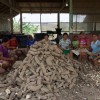
Soy, an Exotic Fruit in Brazil’s Amazon Jungle
In the northern Brazilian state of Pará, the construction of a port terminal for shipping soy out of the Amazon region has displaced thousands of small farmers from their land, which is now dedicated to monoculture.
Climate Change Threatens Flavour of Argentine Wine
Purple garlic that is losing its color? More translucent wine? Climate change will also affect the flavours of our food in the absence of measures to mitigate the impacts of global warming, which are already being felt in crops that are basic to local economies, such as in the Argentine province of Mendoza.
Toasting to a More Sustainable Planet with Argentine Wine
The region of Cuyo in west-central Argentina is famous for its vineyards. But it is one of the areas in the country hit hardest by the effects of climate change, such as desertification and the melting of mountain top snow. And local winegrowers have come up with their own way to fight global warming.
Social Programmes Here to Stay in Argentina
Above and beyond the uncertainty about the direction that Argentina’s economy will take after the Oct. 25 presidential elections, the government’s main social programmes, which have helped bring down poverty levels in the last decade, are definitely here to stay, no matter who is elected.« Previous Page — Next Page »







The Week with IPS

NEXT STOP - SDGs
Tracking global progress towards a sustainable world
Tracking global progress towards a sustainable world
