Languages
Tuesday, June 9, 2026



News and Views from the Global South

Outgunned by Rich Polluters, Africa to Bring United Front to Climate Talks
As climate change interest groups raise their voices across Africa to call for action at the COP20 climate meeting in December and the crucial COP21 in Paris in 2015, many worry that the continent may never have fair representation at the talks.
Recurrent Cholera Outbreak in Far North Cameroon Highlights Development Gaps
Under a scorching sun, with temperatures soaring to over 40 degrees Celsius, Lara Adama’s family is forced to dig for water from a dried-out river bed in Dumai, in northern Cameroon.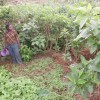
Adaptation Gaps Mean African Farmers Fork Out More Money for Reduced Harvests
In Cameroon's Northwest Region, Judith Muma walks 9km from her home to her 300-square-metre farm. The vegetables she grows here are flourishing thanks to the money she has borrowed from her njangi (thrift group) and a local credit union to finance a small artisanal irrigation scheme.
Social Protection Needed to Reduce Africa’s Inequalities
For the last 13 years, Michael Ndah, 37, has worked for three road construction companies in Cameroon, but it is only in the last two years that his current employer has managed to register him with the National Social Insurance Fund (CNPS).
Cameroon’s Rising Sea Drowns Tourism
Pierre Zambo is a hotel manager in Kribi, a sea resort town in Cameroon’s South Region. In the past his hotel would have “more than 100 tourists each week. But today if I manage to have 50 people registered into my hotel weekly, then it's good business.”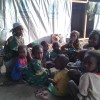
Tensions between CAR Refugees and Cameroonians Escalate over Depleting Resources
Central African Republic refugees living in Cameroon’s East Region are increasingly becoming frustrated about their deteriorating living conditions and their inability to support themselves as conflict between them and and local villagers has escalated over depleting resources.
Vaccinating Against Their Will
The growing number of child deaths from diarrhoea in Cameroon has necessitated the introduction of a new vaccine (RotaTeq) designed to protect babies under five against common types of rotaviruses that cause diarrhoea. But growing skepticism over new vaccines, and lack of potable water and proper hygiene could thwart such public health efforts, experts say.
Cameroon ‘Safe Haven’ Town Strains Under CAR Refugee Influx
Abdul Karim arrived in Cameroon’s eastern border town of Garoua-Boula from Central African Republic’s Yaloke district at the end of February as part the largest influx of refugees into Cameroon.
Saving Cameroonians from Ill Health
The Cameroonian government has begun a crackdown on illegal medical facilities and plans to shut down more than 524 medical training centres and 600 private clinics operating unlawfully in this Central African nation.

Bringing Cameroon’s Marginalised to the Poverty Debate
Lydia Njang, a widow and mother of five from Cameroon’s North West Region, has lost her farmland three times.
Cameroonians ‘Dying’ for Fake Drugs
When Francois Biloa fell ill with malaria, his family did what they had always done in the past – they gave him anti-malaria drugs and antibiotics bought from the local market. Only when his condition worsened and he became bedridden and fell unconscious, did his family take him to a local clinic in Cameroon’s capital Yaoundé.
Cameroonians See REDD
Uncertainty over property rights and access to forest land is potentially a major stumbling block for implementing the United Nations collaborative initiative on Reducing Emissions from Deforestation and forest Degradation in Cameroon.
Chinese Built Port Leaves Cameroonians Adrift
The Kribi Seaport on the coast of southern Cameroon is destined to become a mega harbour to serve all of Central Africa. But there is little chance that locals, particularly engineers and scientists, will benefit much from the 567 million dollar development.
Promises to Gas Victims Only ‘Hot Air’
Ismaela Muhamadu was six years old when he lost his parents and siblings in a poisonous gas explosion at northern Cameroon’s Lake Nyos. The blast killed more than 1,800 people, and 3,000 cattle and wildlife over a 25-km radius.
Oiling the Palms of Cameroon’s Farmers
In Maleke village, western Cameroon, an oil palm tree is considered to be “black gold”. At least, that is what Joseph Tesse, the local processor of oil palm, tells IPS.
Come Grab Our Land
Bordered by a rubber plantation in the west, a forestry plantation in the east and a palm oil farm in the south, the 18 local communities that live in Ocean Division, southern Cameroon, have had an uphill struggle for the rights to their land.
SLIDESHOW: Cameroonian Farmers Find Justice in Fair Fruit
 The fruit farmers in Njombe, a small town in the coastal Littoral Region of Cameroon, learned a life lesson about “making lemonade out of lemons” - or rather “dried fruit out of fruit” when their land was taken from them by the government and leased to an international farming company.

Cameroonian Farmers Find Justice in Fair Fruit
The fruit farmers in Njombe, a small town in the coastal Littoral Region of Cameroon, learned a life lesson about “making lemonade out of lemons” - or rather “dried fruit out of fruit” when their land was taken from them by the government and leased to an international farming company.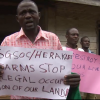
Q&A: Fighting to Save Africa’s Richest Rainforest
Protests against a controversial palm oil plantation in the Korup National Park, Africa’s oldest and richest rainforest in terms of floral and faunal diversity, in Mundemba, southwest Cameroon will continue despite the arrests and intimidation of local environmental campaigners.

The Sun Rescues Rural Cameroonians from “Incessant Darkness”
In the small farming village of Sabongari, in Cameroon’s North West Region, the need for kerosene to light bush lamps and petrol to run electric generators has been replaced by the need for something much cheaper and cleaner: sunshine.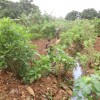
Farming Among the Waste in Cameroon
Cameroonian urban famer Juliana Numfor has six plots of land where she grows maize, cassava, sweet potatoes and leafy vegetables, including cabbages, wild okra and greens.


The Week with IPS

NEXT STOP - SDGs
Tracking global progress towards a sustainable world
Tracking global progress towards a sustainable world
