Languages
Thursday, April 25, 2024



News and Views from the Global South
Food prices

Falling Food Prices May Benefit Lower Income Countries
Despite a minimal reduction in global production, the world food import bill is about to reach a five-year low in 2015, pushing international prices for agricultural commodities down even further, the Rome-based U.N. Food and Agriculture Organisation (FAO) forecast on May 7.
Falling Oil Prices Trigger Initial Economic Gains for Pacific Islanders
The recent dramatic fall in world oil prices, with Brent crude plummeting from a high of 115 dollars per barrel in June last year to around 47 dollars in January 2015, is beginning to benefit Pacific Islanders who are seeing lower prices for fuel and energy.
Middle Income Nations Home to Half the World’s Hungry
Nearly half of the world’s hungry, amounting to about 363 million people, live in some of the rising middle income countries, including Brazil, China, India, Indonesia and Mexico, according to a new report released Wednesday by the Washington-based International Food Policy Research Institute (IFPRI).
Falling Oil Prices Threaten Fragile African Economies
The sharp decline in world petroleum prices - hailed as a bonanza to millions of motorists in the United States - is threatening to undermine the fragile economies of several African countries dependent on oil for their sustained growth.
Why Our Food Systems Need to Be More Nutrition-Smart
“We are especially distressed by the high prevalence and increasing numbers of malnourished children under five years of age in parts of Africa, Asia and Latin America and the Caribbean. Moreover, more than 2000 million people, mostly women and children, are deficient in one or more micronutrients...”
Ebola Outbreak Threatens Food Crisis in West Africa
The widespread outbreak of Ebola in West Africa, which has resulted in over 4,500 deaths so far, is also threatening to trigger a food crisis in the three countries already plagued by poverty and hunger.
The ‘Global’ Land Rush
The first years of the twenty-first century will be remembered for a global land rush of nearly unprecedented scale.Land Grabbing – A New Political Strategy for Arab Countries
Food price rises as far back as 2008 are believed to be the partial culprits behind the instability plaguing Arab countries and they have become increasingly aware of the importance of securing food needs through an international strategy of land grabs which are often detrimental to local populations.
Malnutrition Hits Syrians Hard as UN Authorises Cross-Border Access
Gaunt, haggard Syrian children begging and selling gum have become a fixture in streets of the Lebanese capital; having fled the ongoing conflict, they continue to be stalked by its effects.
Higher Food Prices Can Help to End Hunger, Malnutrition and Food Waste
The choice of foods displayed on supermarket shelves can be quite bewildering. This abundance encourages us to take it for granted that we will always be able to buy the food we want at affordable prices.
Flexible Biofuel Policies for Better Food Security
Modern biofuels have become a fact of life, part of a quest for more cost-effective and environmentally sustainable businesses and lifestyles. But to be truly sustainable, biofuel production must strike a balance between its benefits and its potential hidden costs, between energy security and food security.
Opportunity Knocking
A sense of urgency brought on in recent years by food price volatility inspired collective action to reduce the likelihood of further price spikes and food supply shocks.
OP-ED: Social Protection Can Help Overcome Poverty and Hunger
The growing consensus, momentum and commitment to eradicate world hunger may seem overly ambitious in view of the slow progress in reducing the number of hungry people in the world in recent decades.
World Bank to Strengthen Focus on Land Rights
The World Bank will be placing stronger emphasis on issues of land tenure and socially and environmentally sustainable agricultural investing, it announced Monday.
New Era of Food Scarcity Echoes Collapsed Civilisations
The world is in transition from an era of food abundance to one of scarcity. Over the last decade, world grain reserves have fallen by one third. World food prices have more than doubled, triggering a worldwide land rush and ushering in a new geopolitics of food.
What Price Rice May Do
Rice remains the most popular staple in Guinea, but the high price of imported rice is pushing many consumers in this West African country to change their diet. Farmers have responded by rapidly expanding the land area planted with an alternative food crop: cassava.
U.S.: High Corn Prices Spread Global Hunger and Instability
Rising corn prices in the United States brought about by biofuel mandates have cost developing countries 6.6 billion dollars over the past six years, according to new research released here on Wednesday.
World Bank Refuses Call to Halt Land Deals
The World Bank has rejected a call to suspend its involvement in large scale agricultural land acquisition following the release of a major report by the international aid agency Oxfam on the negative impact of international land speculation in developing countries.
International Food Prices Again at Record Levels, World Bank Warns
After decreasing somewhat in recent months, international food prices have again risen dramatically, according to figures published on Thursday by the World Bank. Statistics for July indicate a 10 percent rise over just the previous month, and a six percent increase over already high prices from the same time frame a year ago.







The Week with IPS

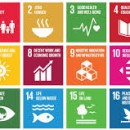
NEXT STOP - SDGs
Tracking global progress towards a sustainable world
Tracking global progress towards a sustainable world
