Languages
Thursday, April 25, 2024



News and Views from the Global South
Malaria
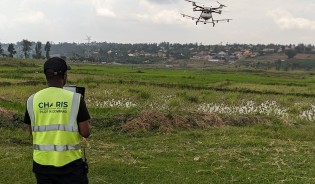
Proven Vector Control Interventions Needed to Stem Malaria Infections in Africa
Experts recommend that the current prevention of malaria in highly endemic countries in Africa should integrate "locally appropriate" control measures to cope with the highest burden of mosquito-borne disease on the continent.
World’s Deadliest Malaria Parasite Dominance in Africa Could Be Over – Experts
One morning in 2016, Lillian Nekesa's 3-year-old woke up with flu-like classic symptoms of malaria. This was not Kevin's first encounter with the killer disease. Kevin was nonetheless not immediately rushed to Busia County Referral Hospital for advanced treatment in keeping with his severe symptoms.
Innovative Use of World’s First Malaria Vaccine Generates Remarkable Results and a Life-Saving Opportunity
In the midst of the tragedy and turmoil caused by the COVID-19 pandemic, it’s gratifying to see work continuing in Africa to find new ways of fighting malaria, a very old disease that has been a formidable foe for thousands of years and still kills 400,000 people every year, most of them African children under five years old.
Pathogens, Public Health, & Political Will: Why Sustained Leadership is Critical
The occasion of World Malaria Day amidst a global pandemic warrants an examination of the intersection between our decades long battle against the world’s oldest known fever and the newest known pathogen fueling a global pandemic.
Africa’s Health Dilemma: Protecting People from COVID-19 While Four Times as Many Could Die of Malaria
Experts across Africa are warning that as hospitals and health facilities focus on COVID-19, less attention is being given to the management of other deadly diseases like HIV/AIDS, tuberculosis and malaria, which affect millions more people.
Agricultural Keys to Malaria in African Highlands
Sixty-five years after a major international summit here on malaria, the mosquito-borne disease remains a scourge and its incidence may even be rising in parts of sub-Saharan Africa due to the combined effects of climate change, agricultural practices and population displacement.
New Malaria Strategy Would Double Current Funding
Although malaria is both preventable and curable, it still killed an estimated 584,000 people in 2013, the majority of them African children.
When Kenyan Children’s Lives Hang on a Drip
Acute watery diarrhoea is a major killer of young children but misunderstanding over the benefits of fluid treatment is preventing many Kenyan parents from resorting to this life-saving technique and threatening to reverse the strides that the country has made in child health.
Opinion: Realising Unfinished Business of MDGs : A Call for Greater Action and Investment for Malaria
Later this week, communities around the world will commemorate World Malaria Day for the last time in the context of the global development priorities set in 2000.
Cancer Locks a Deadly Grip on Africa, Yet It’s Barely Noticed
Hidden by the struggles to defeat Ebola, malaria and drug-resistant tuberculosis, a silent killer has been moving across the African continent, superseding infections of HIV and AIDS.
Defying the Ebola Odds in Sierra Leone
Adikali Kamara is a 36-year-old student nurse working in the government hospital in Kenema, a sprawling town on the fringe of the Sierra Leone’s Gola tropical rain forest.
One More Pill to Take: Pregnancy, Malaria and HIV
Zambian Martha Nalishupe is torn between taking one more pill with her daily regimen of antiretrovirals, or run the risk of a miscarriage.
India Finds Fishy Ways to Fight Malaria
Thirteen-year-old Sampreeth Monteiro’s neighbours are suddenly taking his advice seriously. “Buy a Guppy fish, it will eat all the mosquito eggs in your house. You will not get malaria again.”
WHO Celebrates Major Progress in Fighting Malaria
Enhanced efforts to fight malaria have saved an estimated 3.3 million lives and nearly halved the disease's global mortality rate since 2000, according to the latest edition of the World Health Organisation's (WHO) annual "World Malaria Report", released Wednesday.
Ugandan App for Pain-Free Malaria Test
In his 21 years Brian Gitta has had malaria too many times to count. And over the years, because of the numerous times he has had to have his blood drawn to test for the disease, he has developed a fear of needles. It is little wonder then that he and three of his fellow computer science students worked hard to develop a mobile phone app that detects malaria – without the use of needles.
U.S. Global Health Cuts Threaten Gains on Lethal Diseases
A U.S.-based civil society coalition is calling on Congress and President Barack Obama’s administration to keep spending on global health aid at current levels, warning that recent budget cuts risk a dangerous backslide in health and development gains achieved over the past three decades.
Universities “Not Living up to Missions” on Global Health Research
A first-time ranking of 54 top research universities in the United States and Canada has found that a miniscule percentage of funding goes to neglected diseases, despite the outsized influence that public universities play in developing medicines for illnesses often ignored by the private sector.Drug-Resistant Malaria Pushes Rural Thailand to Shoulder Global Role
As Thailand braces itself to combat drug-resistant malaria, a spread of small, nondescript buildings scattered close to corn and rice fields along its hilly, western border are being cast into a bigger, international role.
Will There Finally Be a Cure for Diseases that Affect the Poor?
Innovation in the pharmaceutical industry has declined drastically in the last ten years despite the high profitability of the so-called "research-based" industry, and the availability of better and more powerful science and technological tools. Not only has productivity in terms of research fallen, but the vast majority of new molecules introduced to the market do not provide new therapeutic solutions since other treatments already exist, normally at a lower cost.
Lead Funder on AIDS, Malaria, TB Gets a Reboot
After weathering the departure of its executive director amidst a misallocation scandal earlier this year, the world's largest funder of programmes to address HIV/AIDS, tuberculosis and malaria is poised to announce a new leader Thursday.
Major Malaria Vaccine Less Effective than Hoped
Researchers unveiling critical trial results of a potentially major anti-malaria vaccine are expressing disappointment that the drug’s efficacy levels have proved lower than they had anticipated.Next Page »








The Week with IPS

NEXT STOP - SDGs
Tracking global progress towards a sustainable world
Tracking global progress towards a sustainable world
