Languages
Wednesday, April 24, 2024



News and Views from the Global South
Mozambique

Mozambique Insurgency Significantly Decreased, Say Experts
There is cautious optimism regarding the conflict that has been raging in northern Mozambique, largely in the province of Cabo Delgado, since 2017. There are encouraging indications that the Islamic State (IS)-driven insurgency has significantly decreased thanks to the deployment of the Mozambique Defense Armed Forces (FADM), Southern African Development Community (SAMIM) forces, and a contingent of Rwandan troops (RSF).
Civil Society Space in Southern Africa Shrinking as Government Repression Rises
Freedom of expression is under threat as governments in Southern Africa have enacted laws restricting civil society organizations, says global rights advocacy organisation, CIVICUS, warning that human rights violations are on the increase globally.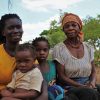
Long-haul SADC Action Needed to Counter Mozambican Insurgency and Humanitarian Crisis
Ongoing insecurity and an unfolding humanitarian crisis in northern Mozambique need a strategically planned response to deal decisively with the insurgency that has plagued the area since October 2017.
COVID-19 Worsens Mozambique’s Hunger
Like many Mozambicans in the agricultural sector, 39-year-old Fatima Matavele, a commercial farmer in the district of Chokwe, some 213 kilometres north of the capital, Maputo, has had a tough year. Although the last few years have been hard, 2020 has proven to be the most difficult of all.
Mozambique Reels from Repeated Attacks on Press Freedom
While Mozambique was recently rattled by an arson attack on a local media organisation, experts say that it’s only a part of a worrying pattern of continuous attacks on the media in the country.

Cyclones and Struggling Economy Could Impact Mozambique’s Elections
Mozambique, which was affected by an unprecedented two tropical cyclones over a matter of weeks, is still reeling from the impact a month after the latest disaster. But resultant devastation caused by the cyclones could impact the country’s elections as concerns are raised over whether the southern African nation can properly hold the ballot scheduled for later this year.
‘The First City Completely Devastated by Climate Change’ Tries to Rebuild after Cyclone Idai
The city of Dondo, about 30 kilometres from Beira, central Mozambique, didn’t escape the strong winds of Cyclone Idai. It is estimated that more than 17,000 families were displaced and more than a dozen schools were destroyed in the city.
‘Women Not Speaking at the Same Table as Men’ Means a Widening Digital Gender Gap in Africa
'Think Bigger', urge the colourful posters on the walls of Ideario, an innovation hub in Chamanculo, a modest neighbourhood in Maputo, Mozambique’s capital. The message is right on target for the new female trainees, eager eyes glued to laptop screens as they learn internet and computer skills.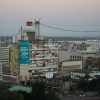
When Policies Speak the Same Language, Africa’s Trade and Investment Will Listen
The rising Maputo-Catembe Bridge is a hard-to-miss addition to Mozambique’s shoreline.
India Needs to “Save its Daughters” Through Education and Gender Equality
Women constitute nearly half of the country's 1.25 billion people and gender equality -- whether in politics, economics, education or health -- is still a distant dream for most. This fact was driven home again sharply by the recently released United National Development Programme’s Human Development Report (HDR) 2015 which ranks India at a lowly 130 out of 155 countries in the Gender Inequality Index (GII). India trails behind most Asian countries, including lesser developed Bangladesh and Pakistan which rank 111 and 121 respectively, and fares not much ahead of war-ravaged Afghanistan at 152.
Land Seizures Speeding Up, Leaving Africans Homeless and Landless
There is a new scramble for Africa, with ordinary people facing displacement by the affluent and the powerful as huge tracts of land on the continent are grabbed by a minority, rights activists here say.Prominent Lawyer Defending the Poor Gunned Down in Mozambique
As billions pour into Mozambique from foreign investors scooping up fields of coal and natural gas, the signs of newfound wealth are impossible to miss.
Everything You Wanted to Know About Climate Change
So much information about climate change now abounds that it is hard to differentiate fact from fiction. Scientific reports appear alongside conspiracy theories, data is interspersed with drastic predictions about the future, and everywhere one turns, the bad news just seems to be getting worse.
OPINION: The Plight of Women and Girls in Zambezi’s Floods
The flooding of the Zambezi River has had devastating consequences for three countries in Southern Africa. The three worst affected countries are Malawi, Mozambique and Zimbabwe.
SMS for Healthy, AIDS-Free Babies
 In rural Zambia and Malawi, new mums face long delays finding out if they have passed HIV on to their babies.

Mozambique Tackles its Twin Burden of Cervical Cancer and HIV
The woman on bed 27 in Maputo Central Hospital’s oncology ward has no idea how lucky she is. In January, when abdominal pains racked her, a pharmacist suggested pain killers. For months, “the pain would go and return,” she told IPS.
Fighting the “Neighbour’s Disease” in Mozambique
Mozambique is reeling under the twin burden of HIV and cervical cancer. Eleven women die of cervical cancer every day, or 4,000 a year. Yet this cancer is preventable and treatable, if caught early. 
Africa Pays the Price of Low Harvests Thanks to Costly Fertilisers
Eherculano Thomas Rice, is pleased to have harvested 40 bags of white maize from his eight-hectare field in Chimoio, in Mozambique's Manica Province. But he knows that his productivity and yield would be higher if he had been able to afford to buy fertiliser to add to his crop.
How Mozambique Is Coping With AIDS
Mozambique struggles to contain the HIV epidemic with one in ten among its 24 million people infected. Helping them is not easy when only 60 percent of people have access to health services.

Obama Urged to Sanction Mozambique over Elephant, Rhino Poaching
Environmentalists are formally urging President Barack Obama to enact trade sanctions on Mozambique over the country’s alleged chronic facilitation of elephant and rhinoceros poaching through broad swathes of southern Africa.
ARV Shortages Hit Mozambique’s HIV Treatment Programme
Chronic shortages of antiretrovirals across Mozambique are endangering the health and the lives of tens of thousands of HIV positive people on treatment.Next Page »






The Week with IPS

NEXT STOP - SDGs
Tracking global progress towards a sustainable world
Tracking global progress towards a sustainable world
