|
|
|
|
|
|
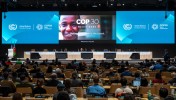
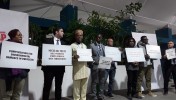
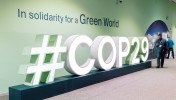
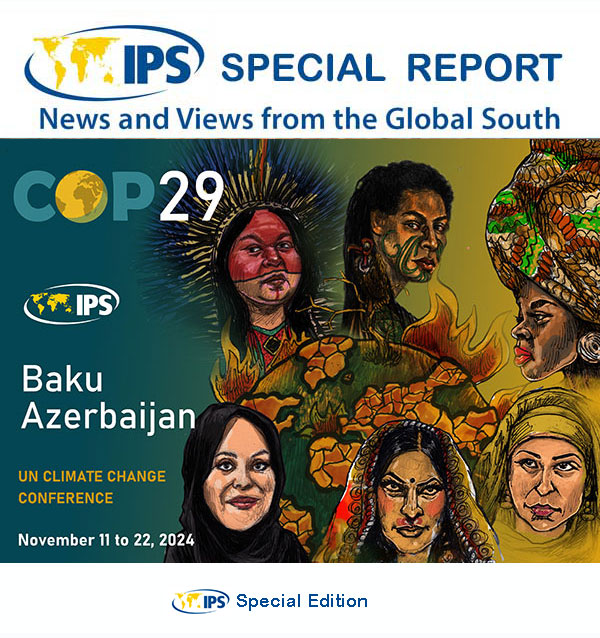
IPS’ Climate Justice fellows were on the frontlines of the COP29 negotiations, witnessing first-hand the demands for climate justice and the disappointment as the so-called ‘finance cop’ ended with a promise from developed countries to a new finance goal of at least USD 300 billion per annum by 2035 from all sources, as part of a total quantum of at least USD 1.3 trillion by 2035—far below their show-me-the-money demands.
For those who face the assault of climate-induced weather, including the small island developing states (SIDS), the disillusionment was palpable. They had demanded a new deal in the trillions, and the negotiations failed to build on the hard-fought promise of COP 28 for reinforcement and development on key agreements to “move away” from fossil fuels.
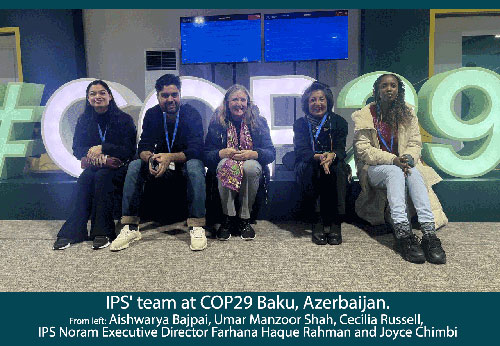
The fellows’ participation in COP29 followed six months of training, including looking for new ways to report climate in an accessible and compelling fashion so that the journalists and the IPS’ platform would be a source of accurate, nuanced, and engaging reporting. The training included ways to mitigate declining trust in the media and how to bring knowledge and understanding about the issues at stake, especially from a developing world perspective.
The training and some of IPS’ COP29 coverage were supported by Open Society Foundations.
Today we share the best of the coverage with you, our readers.
(https://www.ipsnews.net/news/environment/cop29/)
|
|
|
Where Is Mental Health in Global Climate Negotiations?
Tanka Dhakal
The mental health impacts of climate change are not widely discussed, but increasing evidence shows how climate change is affecting mental health and raising the risk of new mental health challenges. Experts say that existing systems are not equipped to cope with the current and additional ...
MORE >
>
|
|
|
|
|
|
|
|
|
Inter Press Service United Nations Bureau, Room S-407, United Nations, New York, N.Y. 10017
Copyright © 2024
|
|
|
|
|