Languages
Thursday, October 8, 2026



News and Views from the Global South

Cockroach Protests: How India’s Youth Movement Led to Minister’s Resignation
On July 25, after 50 days of protest at Delhi's Jantar Mantar, Union Education Minister Dharmendra Pradhan resigned.
When Protection Meets the Sea: Rethinking Marine Protected Areas with Fishing Communities
Melanie Brown has been fishing salmon in Bristol Bay, Alaska, for more than 30 years. An Indigenous fisherwoman and a coordinating committee member of the World Forum of Fisher Peoples, she speaks about the sea with deep care and lived knowledge.
From Fishers to Forest Keepers: Women and Communities Reviving India’s Mangroves
As the climate crisis intensifies, long-term adaptation strategies have become urgent. Among the most effective nature-based solutions are mangroves—resilient coastal forests that protect communities, preserve biodiversity, and capture carbon.
UN Ocean Decade vs. Coastal Reality: ‘They Took Our Sea,’ Say Vizhinjam Fishworkers
As the UN Ocean Conference (UNOC) approaches, bringing renewed attention to SDG 14 (Life Below Water) and the rights of ocean-dependent communities, India’s Vizhinjam coast highlights the environmental injustice and human cost of unchecked coastal development.
Climate Justice Starts with a Bus Ride: A Lifeline for Delhi’s Waste Pickers
Every day, Delhi’s waste pickers walk three to four kilometers under the blazing sun, collecting and sorting the garbage that keeps India’s capital functioning. Their work is essential—yet largely invisible.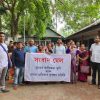
How Rare Rhino, Tiger Conservation Has Locked Out Indigenous Communities
While a local community prides itself on caring for a sensitive biodiverse region, and despite centuries-long stewardship of the Kaziranga, a UNESCO World Heritage Site, the authorities rebuff—sometimes aggressively—their attempts to remain involved.
Global Climate Challenges: Perspectives from a Chinese COP29 Delegate
As COP29 draws to a close, voices from diverse regions have shed light on their contributions, challenges, and aspirations in tackling the climate crisis.
Explainer: Green Climate Fund Draft Negotiations at COP29
The Green Climate Fund (GCF) negotiations brought attention to the progress, challenges, and future strategies for enhancing its effectiveness in fostering a just and sustainable energy transition.
Healing Minds, Empowering Women: Ghana’s Climate Change Battle
As climate change wreaks havoc across the globe, its effects are most acutely felt by those living in vulnerable coastal and rural communities.
Nigeria Day at COP29: Celebrating Diversity and Driving Climate Action
The Nigeria Pavilion came alive with vibrant colors, cultural pride, and meaningful discussions during the celebration of Nigeria Day this week at COP29.
Hydrogen, Nuclear, and Green Zones: Bold Pledges at COP29
As the world intensifies its fight against climate change, the clean energy transition—shifting from fossil fuels to renewable sources—has become a linchpin for sustainable development.
Saint Kitts and Nevis: Leading the Charge for Climate Justice, Renewable Energy
At COP29, Saint Kitts and Nevis, the smallest independent nation in the Western Hemisphere, stands as a beacon of climate action and renewable energy ambition.
Mercury Pollution: A Global Threat to Oceans and Communities
Mercury pollution from burning coal is contaminating our oceans and seafood, threatening global health.
Housing for Tomorrow: Sustainable Solutions from Habitat for Humanity
In the face of a growing climate crisis, the connection between housing and environmental sustainability is becoming increasingly urgent.
Survival at Stake: Caribbean Calls For Just, Fair Financing For Small Island States at COP
Communities living in Small Island Developing States (SIDS) pay the price of climate change in lives, livelihoods, and stunted sustainable development. Representatives from Caribbean islands have repeatedly expressed this ongoing concern at COP29.
Rebuilding Trust, Dialogue, Collaboration Key to COP29’s Success, Says Barbados Minister
"This Finance COP has to deliver. I think this is a crucial moment for the COP process," said Shantal Munro-Knight, Barbados Minister in the Prime Minister’s Office. Barbados, a nation at the forefront of climate advocacy, continues to push boundaries at COP29, the so-called Finance COP. Knight shared her views on the state of negotiations, the urgency of climate finance, and the innovative solutions her country is championing.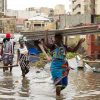
Robust Negotiations Still Needed to Push Rich Countries to Honor Financial Commitments
The irony is that whatever the stakes, finance always features as the “crying onion” at each COP. Hence for the COP29, dubbed the finance COP, no wonder we reach an ocean of tears—especially in view of the current geopolitics, when the world is facing the likelihood of having its historically biggest financial contributor on climate pull out.
Walking with Wisdom: Whaia’s Mission to Bring Indigenous Knowledge to COP 29
Kaitiaki! Whaia says she is at COP29 to bring indigenous wisdom to influence policy and to provide guardianship (kaitiaki) of the climate negotiations.
‘Show Me the Money’—Grenada PM Calls for Climate Justice
"Though I come from a 'no worries' island, climate change is deeply worrisome for us," Grenada's Prime Minister Dickon Mitchell told IPS in an exclusive interview at COP29 currently underway in Baku, Azerbaijan. Asked how his country was recovering from Hurricane Beryl, Mitchell said the island in the last 24 hours “experienced flash flooding and landslides... So, apart from Hurricane Beryl, we are also dealing with other climate catastrophes.”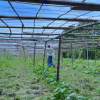
Farming in Crisis: Suicides and Climate Change Threaten India’s Agrarian Future
"Farming is in my blood, and I can’t imagine doing anything else," said Mahim Mazumder, a farmer from Assam. "Even though the past three to five years have seen drastic changes—with temperatures rising so much that even sitting under a tree no longer offers relief—I will keep farming, even if it only yields a small harvest. I've spent my entire life farming, and despite all the challenges, I’ll continue."
Voices from the Margins: Small-Scale Fishers Demand Rights, Recognition at COP16
Small-scale fishers play a fundamental role in feeding people—they use sustainable methods of catching and processing fish products and are a significant force in the employment and livelihoods of millions of people internationally—yet, until now, they have been excluded from climate and biodiversity conferences.Next Page »





The Week with IPS

NEXT STOP - SDGs
Tracking global progress towards a sustainable world
Tracking global progress towards a sustainable world
