Languages
Wednesday, May 20, 2026



News and Views from the Global South
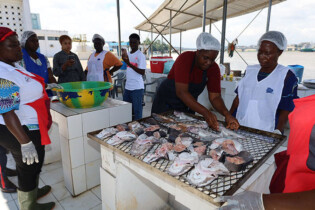
Turning the Tide: How West Africa Is Reasserting Its Food Sovereignty Through Aquaculture
It is an indictment on the global food system that, despite having some of the richest and most endowed natural resources in the world and a burgeoning youth population, West Africa spends more than $2 billion a year importing aquatic foods to feed its people, almost half of which is spent by Côte d’Ivoire alone.
New Rules for High Seas Must Include Needs of Poorest Nations
Over-fishing, warming oceans and plastic pollution dominate the headlines when it comes to the state of the seas. Most of the efforts to protect the life of the ocean and the livelihoods of those who depend on it are limited to exclusive economic zones – the band of water up to 200 nautical miles from the coast.


The Week with IPS

NEXT STOP - SDGs
Tracking global progress towards a sustainable world
Tracking global progress towards a sustainable world
