Languages
Saturday, October 24, 2026



News and Views from the Global South
SRI LANKA: U.N. Wants Economic Recovery for Former Conflict Zone
With thousands of war affected civilians still without livelihood and an economy still reeling from the aftermath of a decades-long conflict in Sri Lanka’s northern region, plans should be in place to revive local economies and jobs, says a top United Nations official.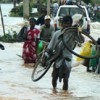
SRI LANKA: Build Better Infrastructure or Expect More Floods – Experts
Sri Lankans should be ready for more urban flash flooding, like those experienced in May, unless proper infrastructure is built to allow the onrushing waters to flow unhindered, experts warn.ENVIRONMENT-SRI LANKA: Saving the Island’s Remaining Coral Reefs
It is Saturday morning and the Pollhena beach, 160 kilometres south of the capital Colombo, is jampacked as usual with local and foreign tourists alike, who are either playing in the sand or bathing in its calm, shallow water, which is gleaming under the sunlight.SRI LANKA: Tourists Return to Paradise Isle a Year After War’s End
A year since Sri Lanka’s bloody civil war ended on May 18 last year, tourists are returning in huge numbers to a popular beach destination located over 300 kilometres from where the last battles were fought.
SRI LANKA: Farming, Fisheries Offer Hope to Former Battleground
Well before the northern Sri Lankan region of the Jaffna Peninsula was devastated by over two and a half decades of a bloody sectarian war, fisheries and agriculture had been the mainstays of its economy.
POLITICS-SRI LANKA: New Parliament, New Hopes, New Fears
Voter turnout in the Apr. 8 election was one of the lowest in Sri Lanka's post- independence history. But the result was a landslide win that has strengthened the hand of President Mahinda Rajapaksa’s administration like never before.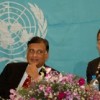
POLITICS: Sri Lanka Locks Horns with UN over Experts’ Panel
The war of words between the Sri Lankan government and the United Nations has begun all over again, this time over the creation of an experts’ panel on the island’s human rights record.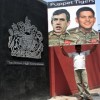
POLITICS: Sri Lanka, Britain Spar Again Over Tigers
Tensions between Sri Lanka and Britain may have calmed down somewhat after the civil conflict ended in this South Asian country last year, but are rising again after the government accused London of aiding the defeated Tamil Tigers to regroup internationally.SRI LANKA: Halt in EU Tariff Scheme Gives Workers the Jitters
For garment factory workers like Anoma Piyaseele, the European Union’s (EU) concessionary tariffs for imports from Sri Lanka meant little more than a vague term for policymakers to deal with – until news came that they would be suspended soon.SRI LANKA: Post-Election Protests Fail to Get Wide Support
Street protests that erupted in Colombo and other cities following the Feb. 8 arrest of defeated presidential candidate Sarath Fonseka have yet to gain wider support from non-political groups.SRI LANKA: Country Heads Into Decisive Elections
Call it a novel election propaganda ploy.SRI LANKA: A Nation Struggles to Forget a Tragedy
Waves hitting a train and carriages half submerged in water. Scores of men, women and children leaping above the water, hands outstretched, bodies strewn all over.SRI LANKA: Five Years after Tsunami, Many Still without Shelter
"We have been here for almost five years. So many promises have been made, but very few have been kept," complains Mohideen Nafia, 22, one of the survivors of the 2004 Asian tsunami still living in a temporary facility in the coastal town of Kalmunai, located 300 kilometres east of the capital, Colombo.SRI LANKA: Invasive Plants: Yet Another Environmental Menace
Ask any Sri Lankan, and he or she will cringe at the mention of ‘water hyacinth’, infamous in the country, where it is called by its more common local name ‘Japan Jabbara’. The weed-like water plant has spread across the island, and everyone knows its potential to take over any watery home in double quick time.AUSTRALIA/SRI LANKA: Untangling the Knotty Issue of Human Smuggling
It is a story that spans three islands, across the breadth of the Indian Ocean. That is, of hundreds of boat people sailing the rough seas in unseaworthy vessels, risking life and limb in their desperate attempt at a new lease of life.SRI LANKA: Colombo’s Diplomatic Sparring Games with EU, U.S.
One thing that has set apart the current administration of President Mahinda Rajapaksa from those of his predecessors is its diplomatic duels with international heavyweights.SRI LANKA: Anxiety Persists Over Safety of Rubella Vaccine
Sudarma Senevirathana’s teenage daughter is at an age when she can already be given the ‘rubella’ vaccine, administered free of charge by government health officials at schools.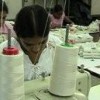
SRI LANKA: Mixed Reactions to EU Threat to Cut Trade Concessions
When the European Union announced last year that it was seeking an investigation into alleged human rights violations in Sri Lanka as a precondition for extending concessionary tariff rates for exports from the island state, the government promptly cried foul.
SRI LANKA: Gov’t on a Roll Hints at Early National Elections
Well before 1.7 million voters trooped to 1,485 polling stations on Oct. 10 to elect the 55 members of the Southern Provincial Council, it was a foregone conclusion that President Mahinda Rajapakasa would easily lead his United People Freedom Alliance (UPFA) government as the clear winner.
SRI LANKA: Mixed Hopes amid Unpredictable Weather Shifts
As the world awaits with bated breath the much-anticipated outcome of the upcoming Copenhagen Climate Change Summit in December, the impact of which will reverberate across the globe, Sri Lanka, like many other countries, has been reeling under sharply contrasting weather conditions.ENVIRONMENT: Electric Fence as Lifesaver for Endangered Elephants
Dennawa is a typical rural Sri Lankan agriculture village, located deep in the dry zone. Behind the houses made of dry brick stretch the fields where villagers tend vegetables and fruit plantations.« Previous Page — Next Page »





The Week with IPS

NEXT STOP - SDGs
Tracking global progress towards a sustainable world
Tracking global progress towards a sustainable world
