Languages
Tuesday, October 20, 2026



News and Views from the Global South

DOMINICAN REPUBLIC-US: Exorcising the Ghosts of Slavery
On the island where the African slave trade was first introduced to the western hemisphere in 1520, the United States embassy in Santo Domingo hosted more than 1,000 people to view the possible election of the son of an African to the U.S. presidency.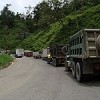
DOMINICAN REPUBLIC: A High-Tech Garden of Eden
Traffic crews on the switchback road signal drivers down to one lane as workers spray concrete on the mountain barrier to prevent landslides. The posted speed limit on the road to the 1,300-metre-high valley of Constanza, three hours north of the capital of Santo Domingo, often drops to 20 km an hour as the road winds along the high mountain ridges.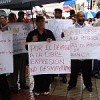
DOMINICAN REPUBLIC: Media Targeted for Threats, Lawsuits
Media rights groups in the Dominican Republic are protesting what they say is a climate of legal and physical intimidation of journalists throughout the country.
HAITI: Kidnappings Rise as Economic Woes Deepen
Several thousand people, including remnants of the wealthy and educated class who remain in Haiti, took to the streets of Port-au-Prince Wednesday to rail against what they say is government inaction amid a rise in kidnappings.
HAITI/DOMINICAN REPUBLIC: Tensions Grow Over Poultry Ban
In a display of national sovereignty, Haiti is continuing an embargo against the importation of all poultry products from the Dominican Republic, prompting some Dominicans to boycott border markets in northwest Dajabon province.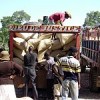
HAITI-DOMINICAN REPUBLIC: One Market, Two Separate Worlds
At 11 a.m., five hours after the start of the market day on the southern border of Haiti and the Dominican Republic, the driver of the bright red Haitian truck named "God of Justice" swung down the back gate and started unloading the full load of 60-kg burlap bags of coffee.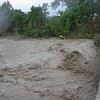
DOMINICAN REPUBLIC: Noel Leaves Poorest in Dire Straits
The bus carrying relief volunteers from the Colectiva de Mujeres y Salud stopped at the flooded Bao River, about three hours' drive from the capital, unable to cross.HAITI-DOMINICAN REPUBLIC: A Fragile Coexistence
The border between Anse a Pitres in Haiti and Pedernales in the Dominican Republic, both seven hours from their respective capitals, is barred only by a chain that pedestrians can easily cross.
HAITI-DOMINICAN REPUBLIC: Neighbours, But Not Friends
On a recent trip from Pedernales, the most southern province on the border with Haiti, Dominican officials boarded the bus 12 separate times.« Previous Page





The Week with IPS

NEXT STOP - SDGs
Tracking global progress towards a sustainable world
Tracking global progress towards a sustainable world
