Languages
Saturday, October 17, 2026



News and Views from the Global South
MEDIA: Foreign News Channels Drawing U.S. Viewers
Television viewers in the United States seeking international news are starting to switch over to foreign channels to learn what is happening in the outside world, media watchers here say.RIGHTS: U.N. Condemns Land Grabs in Native Territories
Millions of people around the world who belong to indigenous communities continue to face discrimination and abuse at the hands of authorities and private business concerns, says a new U.N. report released here Thursday.INDIGENOUS PEOPLE: Obama’s $3B Settlement Not Enough?
Though pleased with the Barrack Obama administration’s decision to compensate the indigenous tribes for unjust occupation of their lands, American Indian activists are saying that Washington has to do more to heal their nations’ wounds.ECONOMY-US: “Green” Jobs Should Be Black and Brown Too
The Barack Obama administration's drive to promote a "green" economy is not working in the interest of poor people in the United States, especially those who belong to minority communities, according to a new study by a leading think tank.RIGHTS-US: U.N. Investigator Probes Housing Crisis
The U.N. body responsible for monitoring human rights violations is investigating why hundreds of thousands - and possibly millions - of people in the United States are condemned to live on the streets.POLITICS: On Nuke Disarmament, It’s Still “You First”
Is the ongoing controversy over Iran's nuclear programme helping to advance the United Nations' agenda on nuclear disarmament? To a number of diplomats and experts who have participated in past U.N. discussions on the spread of nuclear weapons, the answer is, yes – although not necessarily for the expected reasons.DEVELOPMENT: For-Profit Seeds Hurting Farmers, Biodiversity
Large biotechnology firms are not only depriving poor farmers of inputs essential for their livelihoods, but are also pushing up food prices, according to a new U.N. report.RIGHTS: Govts Failing Indigenous Declaration, U.N. Expert Says
A top U.N. expert on human rights law called Monday for governments to match their words with deeds and make good on promises to respect indigenous communities' right to live as they wish.POLITICS: "World Must Move In a New Direction," Obama Tells U.N.
Is the United States willing to give up its role as the world's most powerful cop? The message delivered by U.S. President Barack Obama to the U.N. General Assembly suggests that it's quite likely.FINANCE: Aid Losses Prompting “Development Emergency”
A new U.N. report warns that the world is likely to suffer more economic and environmental disasters if the richest countries fail to shoulder their share of development aid to poorer nations.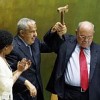
POLITICS: Firebrand Priest Leaves Mark at U.N.
Few critics of the United Nations' often skewed balance of power have matched the outspoken fury of the revolutionary priest who led the world body's principal organ until Monday.ECONOMY: Speculators Undermining Recovery, Report Says
The current economic meltdown will continue for years if the world community does not take firm and coordinated action to regulate the flow of capital, say researchers who have just concluded a new study for the United Nations.EDUCATION: Mother Tongue Absent in Thousands of Classrooms
Millions of children across the world fail to receive a basic education not only because they are born into poverty, but because local authorities do not allow them to read and write in their native language at school.RIGHTS-US: Ex-Prisoners Face Bleak Job Market
"You write about human rights. Why don't you write about this man?" asked Agha Saleh, an old acquaintance of this writer who runs an internet café in Jackson Heights, a Queens neighbourhood heavily populated by immigrants from South Asia and Latin America.RIGHTS: U.N. Revisits U.S. Policies on Racial Profiling
Millions of U.S. citizens continue to face discrimination at the hands of police and other law enforcement agencies just because they are not white, although the country's new leader in the White House is himself of African descent on his father's side.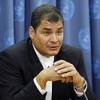
ECONOMY: "Patching Up Bretton Woods Makes No Sense"
The world community must take immediate action to overhaul the current global financial system – that's what a vast majority of political leaders and policymakers from the developing world who are attending a three-day U.N. conference on the global economic crisis are saying.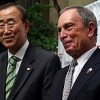
CLIMATE CHANGE: U.N. Launches “Seal the Deal” Campaign
Growing U.S. support for U.N. initiatives is raising hopes among those who want to see the world community take immediate and concrete action to tackle climate change, although their optimism is also tinged with scepticism.RIGHTS-PERU: Activists Urge Obama to Use Trade Pact as Leverage
The United States government is coming under intense pressure from rights organisations and environmental groups to redefine its trade pact with Peru, a tool that they charge the government in Lima is using to justify oppression against the indigenous population.RIGHTS: Indigenous Lands Plundered in Oil and Gas Rush
Leaders of the world’s 370 million indigenous peoples who are attending an international meeting here this week say they want governments to stop oil and gas corporations from further extraction on their lands.U.S.: Obama Urged to Sign Native Rights Declaration
The United States is considering whether to endorse a major U.N. General Assembly resolution calling for the recognition of the rights of the world’s 370 million indigenous peoples over their lands and resources.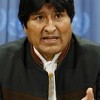
ENVIRONMENT: U.N. to Celebrate “Mother Earth Day”
"Mother Earth is not an object or merchandise. Mother Earth cannot be bought or sold," said Bolivian President Evo Morales, speaking at a heavily-attended news conference here at U.N. headquarters on Earth Day.« Previous Page — Next Page »





The Week with IPS

NEXT STOP - SDGs
Tracking global progress towards a sustainable world
Tracking global progress towards a sustainable world
