Languages
Tuesday, October 20, 2026



News and Views from the Global South
RIGHTS: “The Entire Darfur Region Is a Crime Scene”
Rights advocacy groups are intensifying calls for the arrest of war crimes suspects as the U.N. Security Council discusses the situation in Darfur with the Sudanese authorities in Khartoum this week.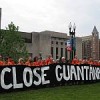
RIGHTS: These Names Have Never Been Spoken in a U.S. Court
"My name is Ahmed Mohammed," she told police after her arrest outside the U.S. Supreme Court building in Washington in January.RIGHTS-AFRICA: Security Council Urged to Protect Civilians
As diplomats prepare to leave for Africa where the U.N. Security Council is due to meet next week, calls from activists are growing for strong international action to address the worsening human rights situation in many parts of the continent.POLITICS: Sri Lanka Dropped From Human Rights Council
Amid calls for additional measures to protect human rights, civil society groups that work closely with the United Nations say they are pleased with the outcome of Wednesday's election of the world body's Human Rights Council.POLITICS-US: Venezuelan Student Feted – and Faulted
"Shame, shame," an angry crowd of protesters shouted from across the street as a group of affluent U.S. citizens wined and dined their Venezuelan friends at the Waldorf Astoria, one of Manhattan's most luxurious hotels.
RIGHTS-US: Hundreds Arrested Protesting Police Abuses
She was as happy and excited about getting married that day as any young person in love. But fate had something else waiting. Just a few hours ahead of her wedding, on Nov. 25, 2006, New York City police officers killed her fiancé Sean Bell in a hail of 50 bullets.
CLIMATE CHANGE: Indians Speak Out Against Carbon Markets
International policymakers are facing fierce criticism from leaders of the world's 370 million indigenous peoples over plans to use carbon markets as one of the tools to mitigate climate change.
Indians Speak Out Against Carbon Markets
Indigenous leaders from around the world oppose profit mechanisms for fighting climate change.RIGHTS: Native People Warn U.N. of Biofuels Disaster
Growing demand for biofuels by the world's rich nations is propelling attacks on indigenous people and destroying their lands and forests, according to native leaders attending a three-week international meeting here.
RIGHTS: Climate a "Life and Death" Issue for Native Peoples
Leaders of the world's 370 million indigenous peoples are calling for the United Nations to include their voices in its future talks on climate change.POLITICS: African Gov’ts Reject U.N. Intervention in Zimbabwe
Despite mounting pressure from some major Western powers to intervene in Zimbabwe's electoral crisis, U.N. involvement remains a distant possibility.FINANCE: World Bank "Playing Both Sides of Climate Crisis"
A new study released by an independent policy think tank casts further doubts on the World Bank's ability to stay neutral in the global politics of climate change.ENVIRONMENT: A Contest for the Biggest Loser
Toyota, the world's largest automaker, is facing the wrath of U.S. green groups and corporate watchdogs for its constant opposition to legislative proposals aimed at increasing fuel efficiency standards in California and other states.RIGHTS-US: U.N. Panel Finds Two-Tier Society
The United States government is drawing fire from international legal experts for its treatment of American Indians, Blacks, Latinos and other racial minorities.RIGHTS-BURMA: Nobel Laureates Appeal to U.N.
Calls for an economic and military blockade of Burma are on the rise as diplomatic efforts have largely failed to prod that country’s military rulers towards democratic reforms.CLIMATE CHANGE: Security Council Urged to Punish CO2 Offenders
The world's small island nations are calling for the U.N. Security Council to help protect their lands and resources by using its authority to demand reductions of carbon dioxide emissions, and to penalise those nations that fail to comply.MEDIA: Report Slams Culture of Impunity
For journalists across the world, last year was the deadliest in more than a decade, according to the U.S.-based Committee to Protect Journalists (CPJ), which monitors violations of press freedom.ISRAEL/LEBANON: Probe of 2006 War Ignored Civilian Deaths
A leading international human rights group is calling into question the findings of an Israeli inquiry into the Jewish state's war with Lebanon in 2006.CORRUPTION: Treaty Could Be Working – Or Not
Ongoing international talks on the question of how to strengthen a U.N. treaty against corruption are doomed to failure unless governments agree to take practical actions to demonstrate compliance, according to observers who are attending a major anti-corruption summit in Indonesia this week.POLITICS: U.S. Stymies Security Council Action on Gaza
Despite intensifying calls for international pressure to address the fast deteriorating situation in the Gaza Strip, observers and some diplomats say the U.N. Security Council has proved as ineffective as it has been for many years concerning issues related to the Israeli-Palestinian conflict.U.S./INDIA: Nuke Deal Opponents Focus on U.S. Congress
The Democratic-led U.S. Congress is coming under heavy pressure from environmental and arms control lobbyists to reject the White House's move to sell U.S. nuclear technologies to India.« Previous Page — Next Page »





The Week with IPS

NEXT STOP - SDGs
Tracking global progress towards a sustainable world
Tracking global progress towards a sustainable world
