Languages
Thursday, October 1, 2026



News and Views from the Global South
EU to Ease Trade Rules for Poor Countries
The EU is due to adopt a simplified set of rules of origins for developing countries exports. Particular relaxations are foreseen for the least developed countries (LDCs), but the rules may mainly profit the strongest of them.
TRADE: It’s the End of the Export-Led Growth Model, Says UNCTAD
While the recovery from the financial and economic meltdown remains fragile in especially the developed world, the outlook for Africa inspires optimism, according to UNCTAD. The agency also believes the crisis might be the death- knell for the export-led economic growth model -- especially African countries should leave it behind.
AFRICA: “Free Trade in Natural Resources Bad for Development”
While some believe that restrictions on natural resource exports should be done away with, this could cause an increase in such exports that would be detrimental to the environment and bad for development.
HEALTH: Intellectual Property Rights Remain A Barrier to Drugs
Intellectual property (IP) rights are a key reason for high medicine prices, rendering such medicines unaffordable and therefore out of reach for poor people. While mechanisms exist to circumvent IP, poor countries have been browbeaten into adopting stringent IP laws.
HEALTH: East African Laws Confuse Fake and Generic Drugs – WHO
The World Health Organisation (WHO) agrees that the anti-counterfeit legislation that has been adopted or that is under consideration in East Africa threatens the accessibility of affordable generic medicines.
AFRICA: “Everything but Arms Deal Doesn’t Benefit Enough People”
The Everything but Arms trade initiative, which provides preferential treatment to poor countries, benefits only a limited range of people in the target populations. It should also be expanded to more countries, civil society organisations say.WEST AFRICA: New Cocoa Agreement Is a Sweet One, Producers Say
The new international cocoa agreement will provide a positive shake-up in the cocoa market and ensure better prices for stakeholders, including small farmers.
AFRICA: “Help Small Fishers to Fish Less, Earn More”
Sanitary and phyto-sanitary measures are a headache for African fish exporters but aid for trade may help small-scale fisherpersons to meet these standards.
AFRICA: Climate Change Assistance so Near and Yet so Far
Technology transfer and aid for trade could assist least developed countries (LDCs) suffering the effects of climate change. But negotiations in the World Trade Organisation (WTO) are not helping to make this a reality, while aid for trade lands up at the wrong institutions, such as the World Bank.
ECONOMY: “G20 Meeting Should Address Plight of Poorest States”
The Group of 20 should show its concern about those that the global economic crisis "is leaving behind" by putting the plight of least developed countries on the agenda at its meeting later this month.
WORLD: “Poor Countries Should Have a Seat at G20 Table”
The global economic crisis highlighted the necessity of transforming global economic governance. But least developed countries (LDCs) have little voice in this process. It is time they are allowed a seat at the meetings of the Group of 20 industrialised and emerging economies.
WORLD: Markets Can’t Self-Regulate; State Should Step In – UNCTAD
The Washington Consensus is dead and the state must play a new role in development. The triple crises – economy, food and climate – show the need for a new developmental model as export-led growth and financial speculation in agricultural markets have proven to be disastrous.
EAST AFRICA: Green Agriculture Growing in Leaps and Bounds
Organic agriculture using natural farming methods rather than fertilisers and pesticides has made significant gains in African countries – not just among farmers but among consumers too.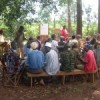
AFRICA: Foreign Investors Safeguarded From Obligations to Locals
Parts of the Tana Delta on Kenya’s northern coastline are being leased to foreigners to grow food and bio-fuels for export. Civil society organisations are worried about such deals as they are done without public consultation while safeguarding investors from requirements that could benefit local communities, such as technology transfer.Q&A: Why Poorest African Countries Should Not Sign the EPAs
It is a "million dollar question" why African least developed countries (LDCs) would enter into economic partnership agreements (EPAs) with the EU as what remains of especially their agricultural markets will be overrun with subsidised European produce.
Q&A: EPAs Are Still Not Developmental, Despite EU Promises
The contentious trade deals known as the economic partnership agreements (EPAs) will in their current form not do African countries any good as they still do not take those countries’ development needs into consideration, despite such an undertaking by the European Union (EU).
TRADE: Whither African Cotton Producers After Brazil’s Success?
African cotton-producing countries hope that Brazil’s intended retaliation after its success at the World Trade Organisation’s (WTO) dispute settlement body will have a positive spin-off for them but seem reticent about pursuing a similar course of action against the U.S. for its continued use of subsidies in cotton production.TRADE: “Development More Important than Quick Conclusion of Doha”
Governments expressed the will at the seventh ministerial meeting of the World Trade Organisation (WTO) to finish the Doha Round of trade negotiations as soon as possible. But the Africa Group still deems development to be a more important priority than a speedy conclusion.TRADE: Africa Should be Prioritised at WTO Ministerial
African countries are ready to conclude the Doha Round on the basis of current proposals, but warn against any attempt to renegotiate them at the seventh ministerial conference of the World Trade Organisation (WTO) that opens in Geneva today. Meanwhile, the Africa Trade Network demands a moratorium on the Doha talks.TRADE: “African States Need Advice Body Outside WTO for Talks”
Since before the creation of the World Trade Organisation (WTO) in 1995, two groups of people have confronted each other: supporters of trade liberalisation, who regard the pursuit of growth as paramount, and opponents of trade liberalisation, who see unfettered trade as the cause of many socio-economic problems.TRADE: Kenya Faces Job Losses, Collapsing Sectors in Wake of Doha
The consequences of the Doha Round of trade talks for larger developing countries in sub-Saharan Africa could include job losses and deindustrialisation if a new study forecasting how Kenya is set to be affected is anything to go by.« Previous Page — Next Page »


The Week with IPS

NEXT STOP - SDGs
Tracking global progress towards a sustainable world
Tracking global progress towards a sustainable world
