Languages
Sunday, October 11, 2026



News and Views from the Global South
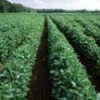
Brazil May Open Doors to Transgenic Crops
In the next few weeks, Brazilian courts will rule on whether to permit large-scale cultivation of RoundUp Ready soybeans, of the transnational Monsanto. A decision in favor could open the door to other genetically modified crops.HEALTH-BRAZIL: Military Joins Anti-Dengue Offensive
Some 1,300 Brazilian army and navy troops are joining the war against the mosquito population that is spreading dengue throughout Rio de Janeiro state, where the epidemic has reached unprecedented proportions.ECONOMY-BRAZIL: A Return to Bygone Import Substitution Model
The Brazilian government is guiding the economy down some new paths and returning to some old ones, forced by the need to boost trade surplus as a means to reducing vulnerability to the impacts of foreign economic crises.TRADE: Brazil Fears Protectionist Spiral in Steel Industry
The United States government's decision to raise tariffs on steel imports could spur other countries and regional blocs to implement similar trade barriers, according to Brazil.ECONOMY-BRAZIL: Border Towns Suffer Impact of Argentine Collapse
The Brazilian city of Uruguaiana, on the Argentine border, is suffering the effects of the meltdown in Argentina just as it felt the impact of Brazil's own crisis a few years ago - a double vulnerability and instability also shared by towns along Brazil's borders with Paraguay and Uruguay.CULTURE-BRAZIL: Modern Art Week, A Maturing Debate
Brazil is celebrating the 80th anniversary of Modern Art Week, the central event of a cultural liberation movement that brought the country into the 20th century and fuels inspiration, study and controversy even today.POPULATION-BRAZIL: Emigrants Seek Red Sun of Japanese Ancestors
The sun is red in Japan and yellow in Brazil. This difference can prove confusing to the thousands of children who accompany their Brazilian parents of Japanese descent, known as Nikkei, as they emigrate to the land of their ancestors.HEALTH-BRAZIL: Dengue, a 21st Century Plague
The residents of this Brazilian city are on edge due to the current dengue epidemic, a disease that is expanding worldwide and is seen as the high price of rapid and unregulated urbanisation in developing countries.RIGHTS: Brazil Makes Headway against Modern-Day Slavery
Nearly 1,600 workers living in slave-like conditions in rural Brazil were freed last year through efforts of the Labour Ministry, twice as many as in 2000, but the Roman Catholic Church here alerts that there are still more than 6,000 people living in servitude in this South American country.ENERGY-BRAZIL: Rationing Raised Awareness on Conservation
Measures aimed at rationing energy in Brazil since June are about to be lifted. Far from causing the disaster predicted by experts and business leaders, they raised awareness on the need to save electricity and gave a boost to the development of alternative energy sources.ENVIRONMENT: Green Issues Govern Brazil-Germany Ties
German Chancellor Gerhard Schroeder's visit to Brazil, which ended Thursday, confirmed that environmental questions are the key factor in the alliance between the two countries.TRADE-LATAM: Brazil Hopes Argentine Crisis Benefits Sugar Exports
The devaluation of the Argentine peso and the new climate of dialogue between Buenos Aires and Brasilia could pave the way for sugar to be included in free trade within Mercosur (Southern Common Market), say experts from Brazil's sugar industry.BRAZIL: Global Crisis Encourages Processing of Coffee Beans
The dim outlook on the global coffee market, which is suffering the lowest prices in 30 years, has driven Brazil to put more emphasis on processing its coffee beans, to export more ground, roasted or instant coffee with greater added-value.DEVELOPMENT-BRAZIL: Towards Weather-Resistant Coffee Bushes
Brazil is making steady progress mapping out the genome of the coffee plant, with the aim of obtaining a higher-quality product and making coffee bushes resistant not only to pests, but also to climate change, one of the plant's worst enemies.BRAZIL: Int’l Connection in High-Profile Kidnapping
The arrest in Brazil of six suspects, presumably Chileans, implicated in the kidnapping of local advertising mogul Washington Olivetto has led to speculation that the guerrilla spirit is still alive in small isolated cells in Latin America./ARTS & ENTERTAINMENT/TELEVISION-BRAZIL: Soap Opera a Unique Mix of Cloning and Islam
A new soap opera from Brazil's giant television Globo network, "O Clone" (The Clone), focuses on two hot issues, cloning and Islam, and has entered a decisive chapter in the story at home, while beginning an early career abroad.
Brazil Works on Creating Weather-Resistant Coffee Bushes
By the end of the year, biotechnology experts in Brazil hope to have a complete map of 200,000 genes of the coffee plant – information that will be of great value in reducing the crop’s vulnerability to global warming.HEALTH-BRAZIL: Dengue Spiralling Out of Control
The dengue epidemic is spiralling out of control in Brazil, where the disease has been reported in two-thirds of the country's 5,500 municipalities, and the most deadly strain, hemorrhagic dengue fever, is claiming a growing number of victims.ECONOMY-ARGENTINA: Impoverishment and Chaos
The disaster that has struck Argentina is linked to the failure of the "financial accumulation model" that was implemented during the last military dictatorship (1976-1983) and "deepened" in the 1990s, says Claudio Lozano, an economist with the Argentine labour movement.DEVELOPMENT: Tower of Babel’ Aims to Give Birth to a New World
Diversity reigns at the World Social Forum, will turn the southern Brazilian city of Porto Alegre from Jan 31 to Feb 5 into a Tower of Babel of delegates from around the world, voicing their demands and proposals for global changes.BRAZIL: Protectionism in North Punishes Citrus Growers Threefold
The global orange juice industry shows that the protectionism practiced by the industrialised North punishes competitors in the South threefold, by blocking exports, depriving developing countries of investment, and making it impossible for them to pay their workers better, complain exporters in Brazil.« Previous Page — Next Page »





The Week with IPS

NEXT STOP - SDGs
Tracking global progress towards a sustainable world
Tracking global progress towards a sustainable world
