Languages
Friday, October 23, 2026



News and Views from the Global South
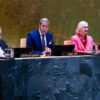
UN Peacebuilding Week: Military Expenditure Soars as Funding for Civilian Protection and Prevention Collapses
From June 22 to 26, the United Nations (UN) commemorated its first annual Peacebuilding Week, marking the 20th anniversary of the UN Peacebuilding Commission’s inaugural session. Featuring discussions among world leaders, policymakers, civil society, and advocates, the event explored how collaboration among governments, international organizations, and the private sector can enhance the visibility and effectiveness of peacebuilding efforts worldwide.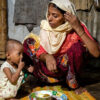
Dwindling Humanitarian Aid Devastates the Rohingyas in the World’s Largest Refugee Camp
Nearly nine years after the violent persecution of the Rohingya minority population in Myanmar and the following mass exodus of refugees, over 1.2 million Rohingya currently reside in neighbouring Bangladesh, where they face immense challenges. With the United Nations (UN) recording significant shortfalls in global humanitarian funding, alongside Bangladesh’s diminishing ability to support these populations, experts warn of a deepening humanitarian crisis.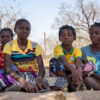
UNICEF: Overlapping Climate Hazards Threaten Children’s Quality of Life
A new report from the United Nations Children’s Fund (UNICEF) highlights the vast, overlapping climate threats affecting children worldwide, which is leaving them increasingly vulnerable to escalating risks across health, security, and education.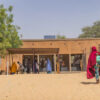
Violence, Climate Shocks, and Hunger Push The Sahel To The Brink of Collapse
Over the past few years, the humanitarian crisis in Africa’s Sahel region has expanded considerably, largely driven by a surge of violence—particularly in the Central Sahel. Although the crisis has been described by the United Nations (UN) as having “largely faded from the headlines” since its wake in 2012, millions of people across the region are in dire need of humanitarian assistance as civilian displacement, climate shocks, and widespread hunger rapidly spill across borders.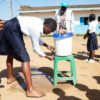
Ebola Outbreak in the DRC Raises Global Health Concerns Amid Conflict and Displacement
Since May 16, there has been a significant increase in the number of laboratory-confirmed and suspected Ebola cases reported across the Democratic Republic of the Congo (DRC), primarily in Ituri Province, with additional unrelated cases identified in Kampala, Uganda. Although the outbreak has remained largely confined to that region, it has been heavily linked to areas affected by insecurity, civilian displacement, and mining-related migration, raising concerns among global health experts that the outbreak could spread without effective monitoring and response efforts.
Civilian Casualties Grow Amid Russian and Ukrainian Drone Strikes
Four years after the start of the Russo-Ukrainian War, 2026 has marked a significant escalation in hostilities, with intensified bombardments from both sides causing immense destruction across the region, complicating humanitarian operations, and deepening an already severe humanitarian crisis. As exchanges of attacks have intensified in recent days, the United Nations (UN) warns that women and girls will be disproportionately impacted as violence disrupts access to basic, lifesaving services.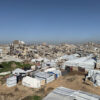
Gaza’s Deepening Health Crisis Leaves Hospitals Overwhelmed
Despite the implementation of a ceasefire between Hamas and Israel last October, Israeli forces continue to launch airstrikes into the Occupied Palestinian Territory. This has resulted in extensive destruction of infrastructure, loss of human life and exacerbating immense health needs amid an increasingly strained health system in Gaza.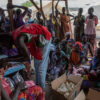
Famine in South Sudan Projected to Worsen Without Humanitarian Intervention
In 2026, the humanitarian situation in South Sudan has taken a considerable turn for the worse, with widespread food shortages, ongoing disruptions to food production systems, and rising rates of malnutrition affecting over half of the population. Compounded by the vast scale of needs and an overwhelming lack of access to basic services, humanitarian experts warn that nationwide levels of hunger are projected to worsen to catastrophic levels if urgent intervention is not secured.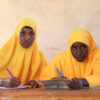
Climate-Driven Disruptions to Education in Africa Raise Protection Risks for Millions of Children
The escalating global climate crisis has led to an increase in the frequency of climate-induced natural disasters, affecting millions worldwide. As governments struggle to keep up due to persistent funding shortfalls and inadequate preparedness and response mechanisms, education systems in Eastern and Southern Africa continue to deteriorate, pushing millions of children into displacement and poverty, further deepening long-term inequalities.
Gaza Crisis Deepens as Aid Restrictions and Ongoing Strikes Strain Humanitarian Operations
Roughly six months after the ceasefire in the Occupied Palestinian Territory went into effect, the humanitarian situation in Gaza remains precariously fragile, despite a relative decline in hostilities. The crisis, marked by ongoing Israeli airstrikes and shelling, continued blockades on humanitarian aid, and widespread displacement, has pushed the majority of Palestinians in Gaza to the brink. Amid the vast scale of needs, basic services are increasingly strained, and humanitarian experts warn that the situation could deteriorate further in the coming months unless sustained aid and funding are secured.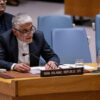
Israeli Strikes Across Iran and Lebanon Raise Concerns of Broader Regional Instability
The past several weeks have marked a significant escalation in hostilities across the Middle East, with tensions rising among Israel, Lebanon, Iran, and the United States following large-scale exchanges of bombardment. Recent statements from U.S. President Donald Trump, including threats of extensive destruction in Iran, have further inflamed regional tensions and complicated ongoing diplomatic efforts. Humanitarian experts warn that these developments risk further destabilizing cross-border relations and could trigger a broader regional conflict.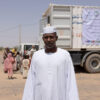
WHO: Migrants and Refugees Face Rising Health Risks as Global Systems Fall Short
Global human migration is at record-high levels, as the World Health Organization (WHO) estimates that roughly 1 in 8 people—about one billion individuals—are on the move. Many of these migrants and refugees face harsh living conditions and heightened challenges, such as poverty, insecurity, and limited access to basic services. With the number of international migrants having doubled since 1990, new findings from WHO call for expanding health systems to meet the growing scale of needs.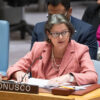
Escalating Violence and Influx of Returnees in DRC Fuel Regional Instability
In the month following the reopening of the Burundi-Democratic Republic of Congo (DRC) border, the humanitarian crisis in the DRC has deteriorated considerably, recently marked by an influx of Congolese refugees returning home, where they face overcrowded conditions and a severe shortage of essential services. This comes in the midst of escalating clashes between rebel groups AFC and M23, and forces affiliated with the Kinshasa government, with drone strikes causing widespread destruction and pushing violence closer to Burundi’s borders, where conditions are most dire.
Sudanese Civil War Escalates as Drone Strikes Deepen Civilian Toll and Regional Risks
The past two weeks have marked a significantly violent escalation in the Sudanese Civil War, with drone strikes and artillery shelling between the Rapid Support Forces (RSF) and the Sudanese Armed Forces (SAF) causing widespread destruction, casualties, and displacement. With humanitarian responses critically underfunded and the scale of needs, including the hunger crisis, continuing to grow, experts warn that millions in Sudan could be affected by famine, violence, or prolonged displacement.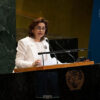
At CSW70, Advocates Warn Conflict Is Deepening Barriers to Justice for Women and Girls
The 70th session of the Commission on the Status of Women (CSW70) has brought together global leaders, gender equity advocates, and youth representatives at the United Nations (UN) Headquarters to advance efforts to strengthen mechanisms for justice, equality, and representation for women and girls worldwide. With challenges particularly pronounced in conflict zones, this year’s priority theme —“ensuring and strengthening access to justice for all women and girls — focuses on repealing discriminatory laws and addressing persistent structural barriers that prevent women and girls from being fully heard, represented, and treated equally.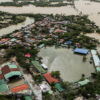
As La Niña Fades, WMO Experts Warn That El Niño Could Set New Global Heat Records
Earlier this week World Meteorological Organization (WMO) announced that the weakening conditions of La Niña conditions are beginning to fade, with climate conditions transitioning toward ENSO-neutral —a phase in which neither El Niño nor La Niña is present and oceanic and atmospheric conditions in the tropical Pacific remain near average. The agency noted that this shift could lead to the development of El Niño later in the year, a pattern typically associated with rising global temperatures and an increased risk of extreme weather events worldwide.
Generative AI Could Deepen Inequality, Revenue Losses in Creative Industries
As generative artificial intelligence (AI) rapidly expands across nearly every sector of society, those that work in cultural and creative industries are expected to bear some of the greatest losses. With AI-generated content projected to dominate global markets in the coming years, combined with a lack of strong regulatory frameworks to protect intellectual property and AI’s ability to produce content quickly at a low cost, the United Nations Educational, Scientific, and Cultural Organization (UNESCO) warns that generative AI may become a major driver of inequality, threatening the livelihoods of millions of cultural workers around the world.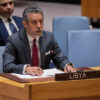
UN Report Warns of Escalating Human Rights Abuses Against Migrants and Refugees in Libya
A new UN report warns of the “brutal and normalized reality” for migrants, refugees and asylum seekers in Libya as they face exploitation and human rights violations.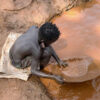
Africa at the Epicenter of Child Labour Crisis as Migration Fuels Exploitation
Although global rates of child labour have declined since 2020, the practice remains a serious and persistent violation of children’s rights, undermining their safety, social development, and long-term economic stability. These risks are intensified by structural pressures— poverty, climate shocks, protracted conflict, and unsafe migration— that continue to push vulnerable children into crisis, and in some cases, trafficking and exploitation. The United Nations Children’s Fund (UNICEF) warns that African countries remain among the most affected regions, underscoring the urgent need for coordinated policy action, cross-border cooperation, and sustained investment to protect children on the move and those at risk of labour exploitation.
Fragile Progress in Gaza Humanitarian Response Undermined by Rampant Insecurity
Since the ceasefire agreement between Israel and Hamas in October of last year, humanitarian conditions in Gaza have notably improved — but aid agencies warn that progress is extremely fragile. Acute shortages of lifesaving medical care and psychosocial support persist, hunger remains widespread, with conditional cash assistance as the primary barrier preventing full-scale food insecurity, while Israeli attacks continue to undermine stability and humanitarian efforts.
“Deepfake Abuse Is Abuse”: UNICEF Sounds Alarm as AI Fuels a New Global Child-Exploitation Crisis
New findings from the United Nations Children’s Fund (UNICEF) reveal that millions of children are having their images manipulated into sexualized content through the use of generative artificial intelligence (AI), fueling a fast-growing and deeply harmful form of online abuse. The agency warns that without strong regulatory frameworks and meaningful cooperation between governments and tech platforms, this escalating threat could have devastating consequences for the next generation.« Previous Page — Next Page »





The Week with IPS

NEXT STOP - SDGs
Tracking global progress towards a sustainable world
Tracking global progress towards a sustainable world
