Languages
Monday, October 26, 2026



News and Views from the Global South
Bridging the Digital Divide: How AI Risks Marginalizing Indigenous Peoples
Although the advancement of artificial intelligence (AI) yields numerous opportunities for progress—such as improved efficiency, enhanced decision-making, and innovative tools for climate reform—it also poses new risks for Indigenous peoples. With AI rapidly transforming the world, it is imperative that there are ethical and equitable frameworks that prioritize inclusivity and work to narrow the gaps in the digital divide.
Haiti Faces a ‘Critical Turning Point’ Amid Escalated Violence and Funding Cuts
The humanitarian situation in Haiti has deteriorated significantly in the past few weeks, with the United Nations (UN) underscoring a growing list of abuses committed by armed groups, including killings, kidnappings, and sexual violence. The gap between the vast scale of needs and the supply of available resources has widened, leaving millions of Haitians in dire need of humanitarian support.
Violence Escalates in Sudan as Humanitarian Aid Struggles to Meet Growing Needs
Earlier this month, Sudanese civilians began facing a considerable escalation of hostilities, with the most recent attacks from the Rapid Support Forces (RSF) and the Sudanese Armed Forces (SAF) claiming dozens of lives. Amid a rapidly growing scale of needs and an overwhelming lack of funding, the United Nations (UN) and its partners have struggled to deliver adequate amounts of humanitarian aid.
Clean Energy Sources Are Beginning to Overtake Fossil Fuels, But Is It Too Late?
As a result of the worsening climate crisis, extreme weather patterns have disrupted nearly all aspects of human life around the world. With the impacts of fossil fuel reliance being more pronounced than ever before, the United Nations (UN) has implored governments and industries to begin adopting more sustainable, renewable energy sources.
Israeli Airstrikes Inflame Syria’s Humanitarian Crisis
Over the past week, the humanitarian situation in Syria has significantly deteriorated, with tensions between the Druze religious minority and the Syrian military reaching new peaks. On July 16, Israel launched a series of powerful airstrikes on Syria’s capital city, Damascus, in defense of Syria’s Druze population, further spurring regional instability and exacerbating the dire scale of needs.
Human Rights in an Increasingly Digitizing World
Over the past several decades, digital technologies have transformed nearly every aspect of human life, revolutionizing developments across multiple sectors, including healthcare, education, and commerce, to name a few. However, these changes have also brought forth new concerns surrounding the preservation of human rights in an increasingly digitizing world.
Afghan Refugees Expelled from Iran and Exposed to Horrific Abuse
Since early June, Afghan refugees in Iran have endured increasingly harsh humanitarian conditions, with many being forced to repatriate under conditions that violate the principles of international humanitarian law. In 2025 alone, over one million refugees have returned to Afghanistan, further stretching the limited supply of resources amid a severe and multifaceted humanitarian crisis.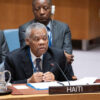
Escalating Gang Violence in Haiti Threatens to Override State Control
Over the month of June, the security situation in Haiti has taken a considerable turn for the worse, with armed gangs continuing to coordinate brutal attacks, seizing more territory, and obstructing critical humanitarian aid deliveries. In the past week, new waves of hostilities were reported in the nation’s Centre Department, which has elicited concern from humanitarian organizations that gang influence could soon completely overpower state control.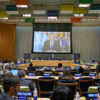
WHO Launches Initiative to Tax Tobacco and Beverage Corporations to Boost Public Health
On July 2, the World Health Organization (WHO) launched the “3 by 35” initiative in an effort to boost public health and limit global consumption of harmful substances. By urging international governments to implement taxes on tobacco, sugary drinks, and alcohol, WHO seeks to reduce worldwide cases of noncommunicable disease amid heightened strains on global health systems and a shrinking supply of funding.
Sudanese Refugees and IDPs Disproportionately Affected By Crisis
Since the wake of the Sudanese Civil War in 2023, Sudan has faced a dire humanitarian crisis that has been marked by extreme violence, widespread civilian displacement, and an overwhelming lack of basic services in relation to the massive scale of needs. The latest reports from a host of United Nations (UN) organizations shed light on the rapid deterioration of living conditions for Sudanese internally displaced persons (IDPs) and refugees.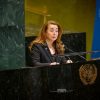
UN Drug Office Warns that Global Drug Crisis Will Intensify
Since 1989, the United Nations (UN) has recognized June 26 as the International Day Against Drug Abuse and Illicit Trafficking in an effort to raise awareness around the global drug problem and foster a more compassionate world, free of drug abuse. Through this year’s campaign, “Break the Cycle. #StopOrganizedCrime”, the UN underscores the importance of addressing the root causes of global drug abuse and illegal drug trading, and investing in reliable systems that prioritize prevention, education, and health.
WMO Warns That Asia is Warming at Twice the Average Global Rate
On June 23, the World Meteorological Organization (WMO) released their State of the Climate in Asia 2024 report, detailing the acceleration of the climate crisis in Asia. The report underscores the rapid rises in temperatures recorded across the continent and their implications on economies, ecosystems, and livelihoods.
Women in Afghanistan Face a Total Lack of Autonomy
Nearly four years ago, the Taliban took control of Afghanistan and issued a series of edicts that significantly restricted women’s rights nationwide. This has resulted in a multifaceted humanitarian crisis, one marked by a notable decline in civic freedoms, stunted national development, and a widespread lack of basic services.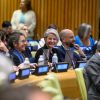
The Global Mental Health Crisis Surges Amid $200 Billion Funding Gap
Although access to mental health and psychosocial support services is considered a fundamental human right by the United Nations (UN), hundreds of millions of people experience limited or inadequate access to mental health and psychosocial support services.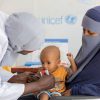
The Risk of Famine Looms Throughout Multiple Sudanese Counties
Over the course of 2025, the food security situation in Sudan has taken a considerable turn for the worst. Compounded by the Sudanese Civil War, millions of civilians face alarming levels of food insecurity and are at risk of experiencing famine. Humanitarian experts have described the situation in Sudan as being the worst hunger crisis in the world today.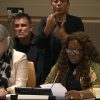
Artificial Intelligence Presents Risks and Opportunities for the Disabled
On June 10, the United Nations (UN) held a conference titled Artificial Intelligence for Inclusion: Strengthening Workforce Participation for Persons with Disabilities. This conference, which was organized by the Permanent Mission of Canada to the UN, featured a discussion by a panel of experts from various sectors, looking to shed light on the ways AI tools can be used to create inclusive workforces that maximize fairness and accessibility.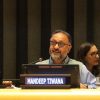
CIVICUS’ New Leader Speaks on Global Declines in Civic Freedom
On June 1, CIVICUS Global Alliance, announced the appointment of Mandeep Tiwana as its new Secretary-General. With his tenure underway, Tiwana sat down with an IPS correspondent to discuss CIVICUS’s work in promoting civic freedom and solidarity in an increasingly autonomy-restrictive world.
Hundreds of Cholera Cases Are Declared Per Day in Sudan
A particularly virulent outbreak of cholera was detected in the Khartoum State of Sudan and is a direct result of the Sudanese Civil War, warns the United Nations.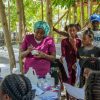
Funding Shortfalls Threaten Haiti’s Future
The humanitarian situation in Haiti has deteriorated significantly in the recent weeks as rates of violence, hunger, and displacement soar amid a severe lack of funding. As armed gangs continue to seize more territory in the capital, Port-Au-Prince, as well as in areas in the Artibonite and Centre Department, humanitarian organizations have found themselves unable to keep up with the growing scale of needs.
1 in 4 Jobs will be Transformed by Generative AI
Generative artificial intelligence (AI) has increased efficiency and output across numerous industries. However, labour organizations have expressed concern over AI’s ability to radically transform jobs around the world.
Human Life Hinges on the Preservation of Biological Diversity
Since 2000, the United Nations (UN) recognizes May 22 as the International Day for Biological Diversity, in hopes of promoting international cooperation and conversation surrounding biodiversity issues. Through the 2025 theme; Harmony With Nature and Sustainable Development, the UN seeks to increase public awareness around biodiversity loss and promote progress in the Sustainable Development Goals (SDGs).« Previous Page — Next Page »





The Week with IPS

NEXT STOP - SDGs
Tracking global progress towards a sustainable world
Tracking global progress towards a sustainable world
