Languages
Monday, October 12, 2026



News and Views from the Global South
ECONOMY-CUBA: Holiday Blues in Times of Crisis
Anxieties about making ends meet in Cuba are heightened at the start of the summer holiday season, when there is increased demand for food, transport and electricity, all of which are affected by restrictions intended to ease the country's economic problems, intensified by the global recession.
RELIGION-CUBA: Women in the Pulpit
Izet Samá has no regrets about her decision to devote every waking hour to her mission as pastor of the Presbyterian-Reformed Church, guiding a small congregation in the Cuban province of Havana.LATIN AMERICA: Cuba Wants Integration Without OAS
For decades, Fidel Castro has been the most vociferous opponent of an eventual return by Cuba to the Organisation of American States (OAS), which he has referred to as a "colonial ministry," "odious," "shameless" and "rotten." "The OAS was the accomplice to all of the crimes committed against Cuba," he also wrote.
RIGHTS-CUBA: “Going to the Police Never Crossed My Mind”
Mercedes Toyo has finally started to smile again after many years of tears and violence. But the bad memories linger. "Now I’m being courted by a 50-year-old man who tells me I’m too wary, that I don’t let anyone get too close," she told IPS in the living room of her house.
LATIN AMERICA: Remittance Drop Will Hurt Poor
The fall in migrant remittances to Latin America caused by the global financial crisis is posing a threat to middle and lower-income households, especially in countries where cash transfers represent a large proportion of GDP.
CUBA: Exotic Fish Has Bad Reputation but High Yields
Known for eating everything in its path, and even for stinging people, the African catfish (Clarias gariepinus) is feeding debates in Cuba while at the same time it is filling family dinner plates.
Exotic Fish Has Bad Reputation but High Yields
A foreign catfish in Cuba is a symbol of all the challenges posed by exotic species, which once introduced in a habitat become invasive.
HEALTH: Chernobyl Kids Keep Arriving in Cuba
Thousands of kilometres from Ukraine, where the worst nuclear accident in history occurred 23 years ago, the sun and fresh air of a Cuban beach provide therapy for Ukrainian children, who continue to be born with problems stemming from the disaster.
Chernobyl Kids Keep Arriving in Cuba
More than 24,000 people affected by Ukraine's 1986 Chernobyl nuclear disaster have been treated in Cuba since 1990.CUBA-US: Talking About Talks
Bolstered by international support for its demand for an end to the embargo, Cuba could sit down with the United States to talk about a number of matters of mutual interest while it awaits the lifting of the web of restrictions that have weighed on its economy for nearly half a century.ECONOMY-CUBA: Keeping the Wolf from the Door
The global recession poses new economic threats to Cuba, hitting its principal exports and reducing its chances of obtaining external financing, although officials seem confident that the situation will remain within manageable limits.
AGRICULTURE: GM Maize Finds Its Way to Cuba’s Fields
With little fanfare, genetically modified maize produced by Cuba's genetic and biotechnology engineering centre, CIGB, is being grown on test plots as part of a new project involving five of the Caribbean island nation's provinces.CUBA: “It’s Time to Talk” Say US Lawmakers
Seven Democratic congresspersons from the U.S. concluded that it is possible to talk about any issue with Cuba and that "it is time" to do so, at the end of a five-day visit during which they met with both Raúl and Fidel Castro.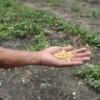
Genetically Modified Maize Finds Its Way to Cuba's Fields
With little fanfare, genetically modified maize produced by Cuba's genetic and biotechnology engineering center, CIGB, is being grown on test plots as part of a new project involving five of the Caribbean island's provinces.RIGHTS: Cuba Launches Anti-Homophobia Campaign
You could hear a pin drop and uncomfortable glances went round the room when the moderator of the debate invited contributions from the floor. A law student finally broke the silence, appealing for education to be a two-way street, so that homosexuals can "help us to accept them."
Q&A: Gaps in Gender Equality in Cuba
United Nations resident coordinator in Cuba Susan McDade is the first woman to hold that post, and considers herself fortunate to have been assigned the position in a country where women’s rights are enshrined in the constitution, even if it does have a "machista" reputation.ECONOMY-CUBA: Big Hopes for Tourism Industry
The growth of tourism in Cuba in the first two months of this year has led to renewed hopes for the industry, once regarded as the engine of development on the island because of its rapid rise in the 1990s and its impact on the rest of the economy.
RIGHTS-CUBA: Dissidents’ Wives Back in the Fray
The group of women known as the Ladies in White are holding six days of protests this week in the Cuban capital – one for each year their dissident husbands, fathers or sons have spent in prison.POLITICS-CUBA: Crawling with Speculation
While the staff of the cabinet ministries set to undergo major reforms are gearing themselves for what lies ahead, the people of Cuba, from academics to pensioners, are speculating about the extent of the recently announced changes and hoping they will bring improvements to their lives and to living standards in general.CUBA: Shakeup Will Bring No Major Changes, Say Observers
President Raúl Castro announced Monday the biggest cabinet shuffle in decades in Cuba, merging several ministries and sacking more than 10 senior officials, including Foreign Minister Felipe Pérez Roque and cabinet chief Carlos Lage.
CUBA: Raul Castro’s First Year – Whispers of Change
As Cuban President Raúl Castro completes his first year in office, although a few of the "structural and conceptual" changes he promised have materialised, the pace of reform remains slow, deflating expectations and contributing to pessimism among the people of this Caribbean island nation.« Previous Page — Next Page »





The Week with IPS

NEXT STOP - SDGs
Tracking global progress towards a sustainable world
Tracking global progress towards a sustainable world
