Languages
Wednesday, September 30, 2026



News and Views from the Global South
ENVIRONMENT: Honduras Heads List for Climate Risk
Honduras has been hit harder by extreme weather events than almost any other country over the last 18 years, says a study of weather-related losses, released here as the climate summit continues this week.
Honduras Heads List for Climate Risk
The poorest, whether countries or populations, are the ones least able to deal with the impacts of natural disasters related to climate change, says a new study presented at the climate summit in Copenhagen.
CLIMATE CHANGE: Small Farmers Can Cool the World
Industrial agriculture may emit nearly half of climate-heating greenhouse gases, but that reality has gone unrecognised by negotiators at the climate treaty talks here, say farmers with La Via Campesina, an international movement of hundreds of millions of small-scale peasant farmers.
CLIMATE CHANGE: Coastal Carbon Sinks in Dire Need of Protection
What would it be like if the air we breathe was 30 percent more acidic? The oceans are already 30 percent more acidic, and on their way to becoming 120 percent more acidic in 50 years at the current rates of carbon dioxide emissions.
Q&A: “We’re Here to Insert Some Reality into an Unreal Situation”
Bill McKibben is a U.S. writer, environmentalist and the founder of 350.org, an international climate campaign. His first book, "The End of Nature", was published in 1989 and is regarded as the first book written for a general audience about climate change.
CLIMATE CHANGE: Rich Nations Resist Binding Commitments
Betrayal and backsliding by rich countries marks the beginning of the final negotiations for a global climate treaty, according to many developing world participants at the U.N.-sponsored talks here.
CLIMATE CHANGE: Youth See Their Future in the Balance
Young people from 44 countries are demanding that world leaders take decisive action on climate change. The time for talk is over, they declared at the end of a weeklong Children's Climate Forum here.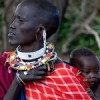
CLIMATE CHANGE: “We Are a Harbinger of What Is to Come”
A small group of indigenous people have travelled here to the historic Copenhagen climate talks to show negotiators dramatic documentary videos they made about the immediate impacts of climate change on their homelands and way of life.
BIODIVERSITY: Plants Finally Get DNA Barcodes
Advances made in genetic profiling could be used to fight illegal timber trading, provide authentication of herbal medicines and map entire food chains, according to experts at a conference of the Mexican Academy of Sciences.
ENVIRONMENT: Save Half the Planet, or Lose It All
At least half the planet must be protected if humanity is to survive the next century, declared conservationists at the conclusion of 9th World Wilderness Congress on Friday, Nov. 13.
Plants Finally Get DNA Barcodes
The "barcode" of the plant world, the parts of the DNA unique to flora, has been revealed, thanks to a scientific breakthrough that could revolutionize herbal medicine and improve regulations of the timber trade.CLIMATE CHANGE: Signs and Portents of a Hostile New World
Lawrence Amos travelled from the Arctic at the top of the world to the tropical middle to recite in a soft voice the ongoing destruction of his home by climate change.HEALTH: Southern Researchers Fill Gap on Neglected Diseases
With HIV/AIDS, malaria and tuberculosis occupying the global health spotlight, few resources are devoted to the "neglected tropical diseases" like dengue fever, hookworm infection and schistosomiasis that afflict some one billion people.ENVIRONMENT: A Dozen Countries Take on Toxic Pollution
Of the tens of thousands of toxic sites affecting the health of 500 million people in the middle- and low-income countries of world, only 12 are being cleaned up, according to a new report.BIODIVERSITY: Earth’s Life Support Systems Failing
The world has failed to slow the accelerating extinction crisis despite 17 years of national and international efforts since the great hopes raised at the 1992 Earth Summit in Rio de Janeiro.BIODIVERSITY: Dwindling Fish Catch Could Leave a Billion Hungry
Fish catches are expected to decline dramatically in the world's tropical regions because of climate change, but may increase in the north, said a new study published Thursday.CLIMATE CHANGE: Four Degrees of Devastation
The prospect of a four-degree Celsius rise in global average temperatures in 50 years is alarming - but not alarmist, climate scientists now believe.
Q&A: “We Can’t Afford to Let the Planet Get Much Hotter”
Lester Brown says his views sometimes appear extreme - because the mainstream media largely doesn't understand the urgency and challenges in avoiding catastrophic climate change.CLIMATE CHANGE: Food Supply Hangs in the Balance
Rocketing food prices and hundreds of millions more starving people will be part of humanity's grim future without concerted action on climate change and new investments in agriculture, experts reported this week.CLIMATE CHANGE: Time Running Out on Vows to Act, Scientists Warn
Promises are easy to make. But promises by world leaders will not halt the heat-trapping carbon emissions that are dialing-up global temperatures and altering the climate, say critics and climate researchers meeting in this U.S. Midwestern city.
ENERGY: Trees: Out of the Forest and Into the Oven
Millions of trees, especially from the developing countries of the South, are being shipped to Europe and burned in giant furnaces to meet "green energy" requirements that are supposed to combat climate change.« Previous Page — Next Page »


The Week with IPS

NEXT STOP - SDGs
Tracking global progress towards a sustainable world
Tracking global progress towards a sustainable world
