Languages
Saturday, October 17, 2026



News and Views from the Global South
ENVIRONMENT: Cellulosic Ethanol – Clean but Worth Unproven
With biofuels being blamed for rising food prices and offering limited environmental benefits, diverse luminaries like former U.S. vice-president Al Gore and Microsoft’s Bill Gates are throwing their considerable support behind cellulosic ethanol, a second generation biofuel.COLOMBIA-ECUADOR: Studies Find DNA Damage from Anti-Coca Herbicide
U.S.-funded aerial spraying of coca plantations in Colombia near the Ecuador border has severely damaged the DNA of local residents, a new study has found.SCIENCE: Genome Guru Seeks Patent on Synthetic Life Form
Patent applications for the world's first-ever human-made species have been made to patent offices around the world.
New Studies Reveal DNA Damage from Anti-Coca Herbicide
Scientific studies have collected evidence of the negative effects of the glyphosate-based herbicide Roundup on human and animal health. The chemical is used in aerial spraying to eliminate illicit coca crops in Colombia.
CLIMATE CHANGE: From Big Melt to Big Swamp
The Earth is going dark. From the Arctic Ocean to the Himalayan mountains to the Russian tundra, ice and snow are in rapid and permanent retreat in response to global warming, a new U.N. report said Tuesday.ENVIRONMENT: Toward a Green Economy
Humanity is facing historic and truly unprecedented challenges from climate change and the rapid decline of ecosystems that sustain life.CLIMATE CHANGE: Overcoming the Ostrich Effect
The vast majority of North Americans now declare that they want action on climate change. But whether people are truly willing to embrace "carbon-neutral" lifestyles - including giving up their gas-guzzling sports utility vehicles - remains an open question, say experts.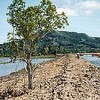
ENVIRONMENT: Earth, Inc. Sliding Into Bankruptcy
Build a shrimp farm in Thailand by cutting down mangrove forests and you will net about 8,000 dollars per hectare. Meanwhile, the destruction of the forest and pollution from the farm will result in a loss of ecosystems worth 35,000 dollars/ha per year.
Putting a Human Face on Biodiversity
If current trends continue, 30 percent of known species will disappear before the end of the century, says Ahmed Djoghlaf, executive secretary of the Convention on Biological Diversity, in an exclusive interview with Tierramérica.ENVIRONMENT: Southern Ocean Nears CO2 Saturation Point
Climate change has arrested the Southern Ocean's ability to absorb greenhouse gases from the atmosphere, researchers announced Thursday.
BIODIVERSITY: Scientists Foresee Extinction Domino Effect
Climate change is accelerating species extinctions and unraveling the intricate web of life, experts fear.POLITICS-US: Military Panel Calls Warming a Major Threat
Senior retired military officers in the United States are urging immediate action on climate change to avoid a massive upsurge in regional and global instability that could threaten their country's security.POLITICS-US: Military Panel Calls Warming a Major Threat
Senior retired military officers in the United States are urging immediate action on climate change to avoid a massive upsurge in regional and global instability that could threaten their country's security.
DEVELOPMENT: Can Capitalism Be Green?
Capitalism has proven to be environmentally and socially unsustainable, so future prosperity will have to come from a new economic model, say some experts. What this new model would look like is the subject of intense debate.BIODIVERSITY: A Web Page for Each of the World’s Creatures
Scientists launched a global initiative Thursday called the "Encyclopedia of Life" that will document the Earth's 1.8 million known species and track the impacts of habitat loss and climate change.
Can Capitalism Be Green?
Experts say continuous economic growth, intrinsic to capitalism, is not viable on a planet with increasingly scarce natural resources.BIODIVERSITY: Farming Will Make or Break the Food Chain
As the world population swells to nine billion by 2050, global biodiversity will be under extreme pressure unless new ways to grow food are developed, experts say.CLIMATE CHANGE: Canada’s New Plan “Pretends” to Curb Emissions, Say Activists
Canada's newest plan to curb greenhouse gas emissions will be much too little and too late, environmentalists said Thursday.EARTH DAY: Happiness Is a Smaller Eco-Footprint
Today's children will live in a new world of climate change and greatly diminished natural resources, which may give way to a nightmarish reality, or it could give birth to a happier and lighter way of living on the Earth, say environmentalists.EARTH DAY: Happiness Is a Smaller Eco-Footprint
Today's children will live in a new world of climate change and greatly diminished natural resources, which may give way to a nightmarish reality, or it could give birth to a happier and lighter way of living on the Earth, say environmentalists.ENVIRONMENT: Top U.S. Sushi Company Linked to Whaling
An investigation has revealed that the U.S. supplier of sushi to more than 6,000 restaurants is associated with a Japanese company that sells millions of tins of whale meat.« Previous Page — Next Page »





The Week with IPS

NEXT STOP - SDGs
Tracking global progress towards a sustainable world
Tracking global progress towards a sustainable world
