Languages
Sunday, October 18, 2026



News and Views from the Global South
Climate Change, Yes – But How Fast?
For some, it is a realistic assessment -- for others, it is too conservative. Experts consulted by Tierramérica react to the fourth report by the global panel of climate change experts, which predicts an average global temperature increase of 1.8 to 4 degrees Celsius.HEALTH-INDIA: Patients Before Patents, Groups Urge
A quarter of a million people from over 150 countries don't think a multinational drug company should seek to overturn a provision of India's patent law that permits the manufacture of low-cost life-saving drugs for the world's poor.ENVIRONMENT: Endless Summer Not As Nice As It Sounds
Warmer, wetter and stormier - the largest ever scientific review of climate change will say there is virtually no doubt that emissions from burning fossil fuels are causing the documented rise in global temperatures.IRAQ: Amid Sectarian Chaos, Bird Lovers Persevere
Can Iraqi dreams for a better future be glimpsed in the publication Thursday of the first-ever field guide to the country's 387 bird species?ENVIRONMENT: Multimillion-Dollar Study of Polar Ice Thaw
The recent collapse of a Canadian Arctic ice shelf illustrates why Canada is the biggest contributor to the International Polar Year, reportedly the largest global scientific research programme, focused on climate change.HEALTH: Deadly New Strain of TB May Require Quarantines
Enforced quarantines may be needed in South Africa and elsewhere to bring a deadly, contagious and drug-resistant strain of tuberculosis under control, health experts say.SCIENCE: Group Seeks Ban on “Living Machines”
Anyone with a laptop and a mailbox could create their own bacteria or virus, for good or ill, thanks to a rapidly evolving new technology called synthetic biology, activists warn.DEVELOPMENT: Saving Farmers’ Four-Legged Bank Accounts
Most of the world's poor depend on livestock to survive, but international poverty reduction efforts devote little attention to the health of these animals, experts say.CHALLENGES 2006-2007: Charging Towards the Big Melt
Record retail store sales during the holiday season in North America is one reason 2007 is predicted to be the hottest year on record. And it's well past time that people began to connect the dots between what they buy and the resulting environmental impacts such as global warming, experts say.ENVIRONMENT: Cell Phones Getting Greener
Cellular telephones that contain toxic chemicals are still being sold in Latin America and other developing regions. But thanks to strict European regulations, there are progressively fewer phones being made with cadmium, lead and other dangerous materials.
Multimillion Dollar Effort to Study Polar Ice Thaw
The International Polar Year begins in March, and will involve 50,000 scientists studying the impact of climate change at the poles. Canada is the main contributor, donating 160 million dollars.ENVIRONMENT: GE Crops Slow to Gain Global Acceptance
Widespread use of genetically engineered (GE) crops remains limited worldwide, even as growing weed and pest issues are forcing farmers to use ever greater amounts of pesticides.
Cell Phones Getting Greener:
Mobile telephones in Latin America and across the developing world will contain less toxic materials, thanks to strict European standards, analysts say.ENVIRONMENT: Hungry Whaling Ships Set Sail
Japan's controversial whaling fleet has arrived in the Southern Ocean, around Antarctica, and anti-whaling activists are promising to ram and sink any vessels attempting to kill whales.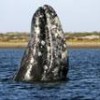
Hungry Whaling Ships Set Sail
Japanese hunters in the Southern Ocean, around Antarctica, will kill nearly a thousand whales, some in danger of extinction. Activists will try to stop the whaling ships, by sea and by air.CHALLENGES 2006-2007: The Climate Change Tipping Point?
This was the year that most people in the U.S. and Canada began to take climate change seriously and express hope that their governments would take action to reduce emissions - but it is unclear if they will take action themselves.ENVIRONMENT: An Organic Recipe for Development
Organic agriculture is a potent tool to reduce emissions of greenhouse gases, but also to alleviate poverty and improve food security in developing countries, many experts now believe.An Organic Recipe for Development
Crops grown without pesticides and other chemicals can mitigate the effects of climate change, along with alleviating world hunger, say experts.BIODIVERSITY: Plumbing the Secrets of the Ocean Depths
Incredible new forms of life have been discovered around super-hot 400 degree C seafloor vents, as well as under 700 metres of Antarctic ice, by the 20th scientific expedition of the Census of Marine Life of 2006 now underway.CLIMATE CHANGE: Kyoto Gets a Slap in the Face from Canada
Much to the surprise of most Canadians and the world community, Canada is reneging on its international commitments under the 1997 Kyoto Protocol, which could weaken an international agreement to fight climate change after Kyoto expires in 2012.HEALTH: U.S. Gag Rule Killing Women, Experts Say
While world attention has focused on the HIV/AIDS pandemic, public health experts say that U.S. political interference and declining financial support for family planning, abortion and prevention of other sexually transmitted infections has contributed to shockingly high death and disability rates in developing countries.« Previous Page — Next Page »





The Week with IPS

NEXT STOP - SDGs
Tracking global progress towards a sustainable world
Tracking global progress towards a sustainable world
