Languages
Tuesday, October 20, 2026



News and Views from the Global South
HEALTH: Russia Leads the Most Poisonous Places on Earth
Russia tops the list of the 10 most polluted places on the planet, while more investigation into Latin American and African pollution sites is needed, according to a U.S. environmental group.ENVIRONMENT: Canada Fights Ban on “Bulldozers of the Sea”
Canada is trying to scuttle a proposed United Nations moratorium on destructive bottom trawling of the open ocean that has received surprisingly strong support from the United States, as well as other countries.ENVIRONMENT: Marine Scientists Report Massive “Dead Zones”
Rising tides of untreated sewage and plastic debris are seriously threatening marine life and habitat around the globe, the United Nations Environment Programme (UNEP) warned in a report Wednesday.ENVIRONMENT: Farmed Salmon Killing Off Wild Cousins
Canada's open-ocean salmon farms are killing enormous numbers of wild salmon, threatening the species, a new study shows.ENVIRONMENT: Canada Urged to Rein In Soaring Emissions
Canada should move quickly to cut greenhouse gas emissions, the country's environmental auditor warned Thursday.CANADA: Activists Push for Sustainable Mining
Civil society activists want the Canadian government to impose mandatory human rights and environmental standards on Canadian mining and oil companies operating in Latin America and other developing regions.ENVIRONMENT: Forests Worth Far More Alive Than Dead
Boreal forests provide 250 billion dollars a year in ecosystem services like reducing atmospheric carbon and water filtration, but which have gone unacknowledged by governments and industry, experts say.ENVIRONMENT: Scientists Set Sights on ‘Green’ Chemistry
A green chemical revolution is underway that promises to be environmentally sustainable and profitable while reducing the risks of industrial disasters like the Bhopal, India gas leak in 1984.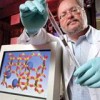
Scientists Set Sights on 'Green' Chemistry
New technologies are being employed to curb the use of toxic materials in productive processes and prevent tragic accidents that can potentially claim the lives of thousands of people.
Canada Faces Pressure to Promote Sustainable Mining
Activists have demanded that the Stephen Harper administration impose mandatory social and environmental standards on Canadian mining companies operating in Latin America.HEALTH: Fighting Disease One Cell at a Time
Hi-tech medicine, including stem cell therapy and biotechnology, are seen by many experts as potential solutions for non-infectious diseases like diabetes in the developing world.ENVIRONMENT: 60 Years to Restore the Ozone Layer Over Antarctica
Another giant ozone hole has opened up over the Antarctic, while evidence mounts that 20 years of international efforts have finally helped the atmosphere to start to heal itself.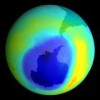
60 Years to Restore the Ozone Layer Over Antarctica
The ozone layer is recovering almost everywhere, but over Antarctica the process will take until 2065. "We cannot take the ozone layer for granted," says the director of UNEP, the global environmental authority.ENVIRONMENT: New Data Erases Doubt on Storms and Warming
There is little doubt now that climate change is making hurricanes and cyclones much more powerful and more frequent, top scientists announced Monday.ENVIRONMENT-US: Another Piece of Alaska Goes on Sale
While the George W. Bush administration has so far failed in its bid to open up the Arctic National Wildlife Refuge to oil and gas drilling, eight million acres of pristine Alaskan wilderness goes on sale to oil and gas companies Sep. 27.MEXICO/U.S.: Binational Crusade to Save Wetlands
With 20,000 hectares of bright green in a sea of sand in the state of Sonora, the Ciénaga de Santa Clara is one of Mexico's richest coastal ecosystems. Faced with the imminent reopening of a desalinisation plant just across the border in the United States, a binational team is working to protect the vast wetland.
Binational Crusade to Save Wetlands
A powerful desalinization plant will reopen in 2007 near the Mexico-U.S. border. Scientists in both countries will be working to halt harm to the Ciénaga de Santa Clara, a large marsh in the northern Mexican state of Sonora.ENVIRONMENT: Was Katrina a Sign of the Gathering Storm?
One year after Hurricane Katrina devastated the U.S. Gulf Coast, a new survey reveals a majority of U.S. citizens now believe global warming is responsible for extreme weather events in recent years.RIGHTS: A Ghastly Disease Feeds Off a Ghastlier Oppression
Gender inequality has become the main driver of the HIV/AIDS epidemic, especially in Africa, where 70 percent of those infected are women.HEALTH: Gov’ts Harshly Berated at Close of AIDS Meet
Action - not promises or pledges or more meetings - is what will bring the HIV/AIDS pandemic under control and save tens of millions of lives, concluded delegates at the wrap-up of the 16th annual International AIDS Conference in Toronto Friday.CARIBBEAN: HIV/AIDS Goes Primetime
With persistently high HIV/AIDS rates second only to sub-Saharan Africa, the Caribbean is stepping up outreach efforts with a new media collaboration that will use everything from documentaries to soap operas to haul the disease out of the shadows and into public consciousness.« Previous Page — Next Page »





The Week with IPS

NEXT STOP - SDGs
Tracking global progress towards a sustainable world
Tracking global progress towards a sustainable world
