Languages
Thursday, October 29, 2026



News and Views from the Global South
ENVIRONMENT: GM Sceptics Smell a Rat
Genetically engineered maize planted in Canada and the United States, and sold in both markets, had an adverse affect on rats, according to secret Monsanto research released by a German court this week.ENVIRONMENT: "Ozone, Heal Thyself," U.S. Declares
Holes in the ozone layer over the Earth's polar regions remain dangerously large, even as international efforts to solve the problem are flagging, scientists warn.ENVIRONMENT: The Day the World Grew Dim
Growing desertification worldwide threatens to create millions of environmental refugees, while rising numbers of powerful dust storms affect the health of people even continents away.ENVIRONMENT DAY: Bioenergy Touted to ”Green” Cities and Aid Farmers
A pellet of dried grass. Not much to look at, but the tiny ball symbolises a technology that experts say can help meet our surging demand for energy while curbing poverty and global warming especially in developing countries where vast rural populations with no access to electricity and rapidly-expanding mega cities vie for material resources.ENVIRONMENT: Nukes-Against-Global Warming Strategy Scored as Too Costly
Faced with the rising toll of global warming and soaring petroleum prices, countries like Canada and the United States are giving nuclear power another look. But this might be among the most expensive ways to produce electricity, say experts and environmental advocates.ENVIRONMENT: Canada Rapped for ‘Censoring’ Biotech Critics
A top African scientist and advocate of strong regulation of genetically engineered seeds and crops is demanding punitive action against Canada if authorities continue to try to block delegates like him from taking part in U.N.-sponsored talks.ENVIRONMENT: Africa’s Top Biosafety Envoy Shut Out of Canada Talks
Africa's chief negotiator for the Cartegena Protocol on Biosafety has been denied entry into Canada to attend meetings to finalise key provisions regarding the international movement of genetically engineered organisms.BIODIVERSITY: Global Warming Kills Species, Endangers Humans – Scientists
Global warming may now be the largest cause of soaring rates of species extinctions, which threaten the global ecosystems that sustain life on Earth, scientists say.ENVIRONMENT: Canadian Greenhouse Gas Plan Spares Industry
Canada plans to shift the burden of massive cuts in greenhouse gas emissions onto the public and away from its booming oil and gas sector.U.S.-EUROPE: Free Zone for Genetically Modified Maize?
The case of a genetically engineered variety of maize that escaped detection by U.S. and European Union authorities for four years illustrates weaknesses in the safety and regulatory systems on both sides of the Atlantic, say critics.SCIENCE: Invasion of the Poverty-Fighting Nano-Bots
Futuristic nanotechnologies that purify drinking water, produce energy and grow food can benefit poor countries and help to meet the United Nations Millennium Development Goals (MDGs), according to a new report.SCIENCE: Invasion of the Poverty-Fighting Nano-Bots
Futuristic nanotechnologies that purify drinking water, produce energy and grow food can benefit poor countries and help to meet the United Nations Millennium Development Goals (MDGs), according to a new report.CANADA: As Seal Hunt Moves Onto Ice Floes, Protests Continue
The controversial commercial seal hunt extended Tuesday onto the ice floes south of the Labrador Peninsula in Canada, as animal rights activists protest what they consider an unnecessarily cruel practice.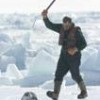
Seal Hunt Extends to Ice Floes
Canada will continue the annual killing of thousands of seals beginning April 12 on ice floes off the Labrador Peninsula. Animal rights activists are calling for a boycott of Canadian seafood.ENVIRONMENT: The Foundations of Life Itself Are in Danger
Species are going extinct 1,000 times faster than at any time in history, with up to 30 percent of all mammal, bird and amphibian species in danger of disappearing, according to the Millennium Ecosystem Assessment.The Foundations of Life Itself Are in Danger
Around 30 percent of all mammal, bird and amphibian species could disappear from the planet, reducing the quality of the important ''services'' provided by the world's ecosystems, says the Millennium Ecosystem Assessment.ENVIRONMENT: British Study Deals Blow to GM Crops
After completing the world's biggest study on the potential ecological impacts of genetically engineered crops, British scientists have concluded that the technology harms wildlife.WORLD WATER DAY: Warming Threatens Precious Wetlands
South America's giant Pantanal wetland could be destroyed should global temperatures rise three to four degrees C., as would 85 percent of the world's wetlands, according to a new report.ENVIRONMENT-HEALTH: Water – Bottles Versus Faucets
Four large corporations control much of the world's booming bottled water industry and pose a threat to public water utilities, according to a report by the Canadian non-governmental Polaris Institute.ENVIRONMENT: Climate Change Dealt a New Wild Card
New Canadian research shows that forest fires are becoming larger and more intense due to the effects of climate change and are adding enormous amounts of greenhouse gases into the atmosphere.Bottles Versus Faucets
The bottled water business leads to privatization of water utilities, say water rights activists. But the industry counters that bottled water is safe and environmentally friendly.« Previous Page — Next Page »





The Week with IPS

NEXT STOP - SDGs
Tracking global progress towards a sustainable world
Tracking global progress towards a sustainable world
