Languages
Wednesday, October 14, 2026



News and Views from the Global South
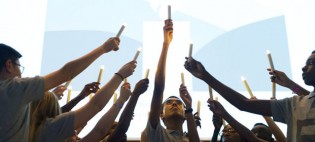
Genocide: The Wheels of Justice Must Keep Turning
Last April, we commemorated the 30th anniversary of the genocide against the Tutsi in Rwanda. At the Rwandan capital, Kigali, at United Nations Headquarters, in New York, and across the world, we remembered the immense suffering this genocide caused on so many innocent civilians, who were targeted because of their identity, because of who they were.
Kwibuka30: Learning from the Past, Safeguarding the Future Against Genocide
One should never lose sight that for people who experienced genocide, the warning signs were there. Genocide is a process. It requires preparation and capacities to carry it out.
Genocide Convention @75: A Call for its Application as a ‘Living Force in World Society’
It was a notion which haunted him well before the Second World War – from the history books his mother would read him, to the following of the 1921 trial of young Armenian Soghomon Teilerian.





The Week with IPS

NEXT STOP - SDGs
Tracking global progress towards a sustainable world
Tracking global progress towards a sustainable world
