Languages
Wednesday, October 14, 2026



News and Views from the Global South
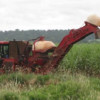
Biofuels Get a Dubious Boost
In an unexpected move, European parliamentarians have approved a new biofuel regulation that will take emissions from indirect land use change into account. The new text allows the biofuel sector to expand, sending a clear signal to world food markets and jeopardising food security for the world’s poorest.Honduras Shaken by High-Profile Murders
Honduran society remains shocked at the tragic fate of Aníbal Barrow, a journalist and university professor whose body was dismembered and scattered around a lake in Villanueva, in the northern province of Cortés.
Bigger Dangers Lurk Behind Berlusconi Scandal
The scandal around the under-age prostitute that former Italian Prime Minister Silvio Berlusconi allegedly had sex with is not about just that one girl: an estimated 10,000 under-age girls become victims of sexual exploitation every year in Italy.
South American Leaders Demand Apologies from Europe
South American leaders demanded that the governments of France, Italy, Portugal and Spain provide explanations and public apologies to Bolivian President Evo Morales for refusing his presidential jet permission to fly through their airspace on his way home from Moscow.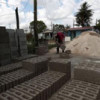
Cyclone-Resistant Construction Materials, Cuban Style
Houses with sturdy masonry walls and reinforced concrete roofs, looking like they could survive any tropical storm or hurricane, are sprouting up on the outskirts of this city in central Cuba, thanks to the development of local production of construction materials.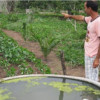
Living Laboratory for Coping with Drought in Brazil
The first surprise on arriving at Abel Manto’s farm is how green it is, in contrast with the dry brown surroundings. His beans and fruit trees seem oblivious to the persistent drought in the semi-arid hinterland of northeast Brazil, the worst in 50 years.Getting Tough on Corruption in Cuba
As two separate trials of foreign businessmen continued amid extreme discretion, the Cuban government passed new anti-corruption measures, apparently indicating the Raúl Castro government’s desire to avoid loose ends with this thorny problem.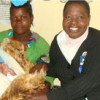
Working to Save Malawi’s Mothers
Charity Salima, 54, has helped to deliver over 4,000 babies in her maternity clinic in Area 23 – one of Malawi’s poorest and most populous townships – and has yet to record a single pregnancy-related death.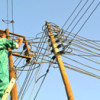
Obama Plan to Electrify Africa Offers a “New Model” of Aid
During an eight-day trip to Africa, President Barack Obama unveiled an ambitious plan to improve access to electricity across the continent, a move the White House says is designed to lift Sub-Saharan Africa out of poverty and help the region develop a stable middle class.
Obama Announces New U.S. Focus on Wildlife Trafficking
President Barack Obama on Monday announced a series of new initiatives to combat spiking levels of international poaching and draft a new national plan on wildlife trafficking, an industry that has grown so significantly in recent years that the president now calls it an “international crisis”.U.S. Weighing Increase in Herbicide Levels in Food Supply
Environmental safety groups are stepping up efforts to prevent a reportedly dangerous yet widely used herbicide from being sold in the United States, even as the country’s primary environmental regulator is considering increasing the amount of the herbicide allowed in the U.S. food supply.
At Forty, CARICOM Has Few Laurels to Rest On
Four decades after they signed the treaty establishing the Caribbean Community (CARICOM), government leaders are gathering in Trinidad and Tobago, the birthplace of the integration process, as they seek to give greater meaning to the CARICOM Single Market and Economy (CSME) that encourages the free movement of nationals across the 15-member grouping.
Mozambicans Living in the Shadow of a Secret State
In downtown Maputo, the walls are covered with the local newspaper, Verdade, and a range of people, young and old, male and female, are reading it. Verdade, which means Truth in Portuguese, is a free weekly newspaper that is pasted on the walls of buildings in Mozambique’s capital.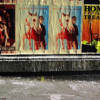
Govt Council Raises Hopes for Improved U.S.-Tribal Relations
Indigenous rights groups are applauding U.S. President Barack Obama’s creation of a new high-level council aimed at coordinating government actions relating to Native American communities, a move that advocates have been urging since early in the president’s first term.
Presidential Hopefuls in Chile Speak Out Against Wilderness Dam
Diversifying the energy mix and the spectre of energy shortages in Chile are central issues in the campaign for the primary elections this Sunday Jun. 30, when presidential candidates will be nominated for the Nov. 17 elections.
Flood Risks in Venezuela Increased by “New Rains” Linked to Climate Change
“The river is reclaiming its place, the water has risen up to here,” says Ana Polanco, crouching down to hold her hand high above her head in the little tin house she shares with her children in El Hueco, one of the communities on the east side of the Venezuelan capital besieged by the polluted and deceptively calm Guaire River.
Farming in the Mauritian Sea
“No fighting, please. Everybody will get their fish. Give us time to empty the crates and weigh today’s catch,” Patrick Guiliano Marie, leader of the St. Pierre Fish Multi-Purpose Cooperative Society, shouts at the crowd jostling impatiently at the fish landing station in Grand Gaube, a fishing village in northern Mauritius.
Effective Smog Monitoring Urgently Needed in Mexican Cities
Mexican cities with populations of more than 500,000 face serious obstacles in monitoring air quality and reducing air pollution, but as of July local authorities will be required to do both, and to submit mandatory reports on their efforts to the federal government.
Documenting Invasive Species on Colombia’s Plains
Along the unpaved road between the town of Orocué and the Wisirare private reserve in the eastern Colombian department of Casanare, biologist Juliana Cárdenas asks the driver to stop the bus so she can collect a specimen of West Indian foxtail, a kind of grass growing along the road.
Highest Number of Refugees in Two Decades
Yves Norodom, a 21-year-old refugee from the Democratic Republic of Congo living in Brazil, is one of 45.2 million displaced people around the world – the largest number in 20 years.U.S. and Rest of G8 Won’t Follow UK on Corporate Transparency
The United States is being singled out for criticism after the Group of Eight (G8) rich countries failed to adopt a plan pushed by British Prime Minister David Cameron to require the creation of public country-level registries with detailed information on corporate ownership and activity.« Previous Page — Next Page »





The Week with IPS

NEXT STOP - SDGs
Tracking global progress towards a sustainable world
Tracking global progress towards a sustainable world
