Languages
Wednesday, October 14, 2026



News and Views from the Global South

INDIA/PAKISTAN: Kashmir Jittery Over Prospect of War
As war clouds hover over India and Pakistan, anxiety levels have risen in Kashmir, often described as the bone of contention between the South Asian neighbours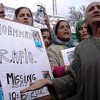
INDIA: New Leader Brings Hope for Peace in Kashmir
As tensions brew between India and Pakistan, a newly elected provincial government, led by the regional, pro-India National Conference (NC) party, has taken over the reins in Jammu and Kashmir - a territory whose ownership has long been disputed by Pakistan.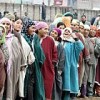
INDIA: Kashmiri Women Repose Faith in Electoral Politics
With voting for the provincial elections in Indian Kashmir safely over, observers say that what was remarkable about the process - apart from its relative peacefulness - was the active participation of women in a Muslim-majority state.INDIA/PAKISTAN: Kashmiri Leaders Aghast at Mumbai Massacre
Political leaders in Jammu and Kashmir, a bone of contention between India and Pakistan for more than 60 years, are aghast at last week's carnage in the Indian port city of Mumbai, carried out by armed men who apparently sailed in from the Pakistani port of Karachi.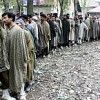
POLITICS-INDIA: Separatists Battle Moderates in Kashmir Polls
India’s Jammu and Kashmir state votes Sunday for the second round of staggered, seven-phase, provincial elections that have pitted separatists against mainstream political parties.
INDIA/PAKISTAN: Trade Through Kashmir Can Heal Rift
After decades of confrontation and rigidity over Kashmir, India and Pakistan seem to be looking at trade through the disputed territory as a path to peace.
INDIA/PAKISTAN: Indus Water Treaty Agitates Kashmiris
As Pakistan and India wrangle over the waters of the Chenab, Kashmiris - through whose homeland the river and four other tributaries of the mighty Indus flow - have reason to be agitated.
POLITICS-INDIA: Polls Uncertain With Jammu Divided From Kashmir
Plans by the central government to conduct elections in Jammu and Kashmir, due originally in November, remain uncertain because of the serious regional and religious differences that have cropped up between the two main regions that make up the composite territory.
RIGHTS-INDIA: Kashmiris See Power in Peaceful Protests
Firefights between India's armed forces and separatist militants, a feature of life in Jammu and Kashmir state, have now given way to a different type of confrontation - paramilitary troops facing mass protests by peaceful, unarmed demonstrators demanding freedom.« Previous Page





The Week with IPS

NEXT STOP - SDGs
Tracking global progress towards a sustainable world
Tracking global progress towards a sustainable world
