Languages
Tuesday, October 13, 2026



News and Views from the Global South
LIBERIA: Chronic Malnutrition Blamed on Mothers
Mercy Freeman sits on a small hospital cot in one of Liberia’s emergency hospitals, looking down at her frail son, whose dark eye sockets have sunk into his bony face.
LIBERIA: Men in Testing New Role as Midwives
Henry Teh gently slides down a blue hospital sheet to expose the bare belly of a pregnant woman. As he pokes around to feel the position of the foetus, the midwife-in-training knows he is breaking tradition and changing the face of obstetric care in Liberia.
Universal Education an Empty Promise for Liberia’s Girls
In a small office tucked behind the stairwell in Liberia’s Ministry of Education, the once-proud staff of the Girls’ Education Unit appear defeated.LIBERIA: Paper Rights Flimsy Protection
Just a few metres outside the front door of a large white-washed courthouse in north central Liberia, Tete Garwo sells small plastic bags of cold water and passes time by pleading her case to thirsty customers. The 40-year old woman describes how she was forced out of her house by an abusive husband, then deprived of her half of the property.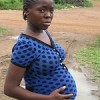
HEALTH-LIBERIA: Rainy Season Deadly for Pregnant Women
As heavy rain hammers the grass thatch roof of her mud hut, Goromah Borbor huddles inside and quietly describes how her daughter Annie died while giving birth.





The Week with IPS

NEXT STOP - SDGs
Tracking global progress towards a sustainable world
Tracking global progress towards a sustainable world
