Languages
Sunday, October 11, 2026



News and Views from the Global South
EGYPT: A Big Catch Feeds Millions
As the sun rises over the Nile delta, workers at a fish farm in northern Egypt open a sluice gate and sort through the thousands of wriggling tilapia that pour out of a concrete holding tank. The fish are sorted, packed into crates and sent to supermarkets in Cairo and Alexandria, where they are sold as "the catch of the day".
Q&A: “Women Will Benefit From Secularism”
Controversy stalks dissident writer Nawal El-Saadawi, whose views on women and religion have put her at odds with Egyptian conservatives.RIGHTS-EGYPT: Invoking Religion Against Liberals
Self-appointed guardians of public morality are invoking an ancient instrument of Islamic jurisprudence against those whose ideas they deem immoral or heretical - or simply to gain fame.EGYPT: Virtually, Some Real Freedom
Egyptians critical of their government are using new media and the Internet to expose its improprieties and press for social change.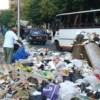
ENVIRONMENT: Cairo Sinking in Garbage
Garbage collectors in Cairo's Giza district have resumed work, but it could take weeks to clear the 25,000 tons of garbage that accumulated during their month-long strike, and longer still to solve the underlying problems.RIGHTS: Govt Enforcing Ramadan Fast
Hundreds of Egyptians are reported to have been arrested for eating, drinking or smoking in public during daylight hours as part of a police campaign against people caught breaking the Ramadan fast.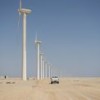
ENVIRONMENT: Desert Winds Stir New Hope
With oil and gas reserves running dry, the most populous country in the Arab world is eyeing wind power as a solution to its looming energy crunch.Q&A: Economic Empowerment Gives Women Choices
In Egypt, women have not achieved the same career levels as their male counterparts. Women are chiefly employed as civil servants, in small family businesses or as manual labour in the agricultural sector.HEALTH: Swine Flu Hits Ramadan Gatherings
Muslims marked the start of the fasting month of Ramadan Saturday, but the global H1N1 pandemic has put a damper on religious festivities throughout the Middle East.EGYPT: Union Eyes the Silver Bullet
Property tax collectors from across Egypt gathered last week in Cairo to protest fresh attempts by the official state trade union to undermine their independent syndicate.
ENVIRONMENT: Polluters See Green in Carbon Market
Egypt's pollution problem is a potential goldmine of foreign revenue - if the country can tap into the lucrative international carbon trading market.EGYPT: Plenty of Sun, Nobody Catching any Rays
Egypt receives some of the highest annual solar radiation in the world, yet the desert country remains heavily dependent on fossil fuels.EGYPT: Bloggers Fly Into Security Trap
Cairo's airport has been unusually busy the past month as Egypt's security apparatus steps up its campaign against online political activists.EGYPT: Selling Kidneys to Pay the Bills
Karim borrowed money to expand his bakery. When the money ran out, and facing the prospect of imprisonment if unable to repay his debts, the 36-year- old Egyptian baker sold his kidney.POLITICS-EGYPT: Women Get Help on Road to Parliament
Egypt elected the first Arab woman to parliament in 1957, but in the half century since, the most populous country in the Arab world has gone from being a leader in women's political participation to a lagger.EGYPT: Workers Reeling Under Financial Crisis
The global financial crisis has forced Egyptian companies to lay off thousands of workers, and provided cover for firms to evade their legal and financial obligations to their workers, labour rights groups warn.EGYPT: Cyber Insurgency Rattles Regime
Egyptian cyber-dissidents are becoming increasing vocal in their online criticism of President Hosni Mubarak's regime, utilising a widening repertoire of Internet networking and publishing tools to expose government abuses.
EGYPT: ‘They Ogle, Touch, Use the Filthiest Language Imaginable’
As night falls over Egypt’s capital, youth gather along the banks of the Nile where a carnivalesque atmosphere prevails.YEMEN: Qat Cultivation Draining Water Reserves
The tall green shrubs on Yehia Abdullah's farm in the Haraz mountains produce the bitter-tasting leaves that feed the nation's number one addiction. More than seven million Yemenis chew qat, the mildly narcotic leaf of the Catha edulis tree. Expanding cultivation of qat to meet growing national demand is rapidly depleting Yemen's limited groundwater resources, experts warn.EGYPT: Move to End Organ Trafficking
Egypt's parliament is set to review a long-overdue draft law to regulate organ transplant operations. If passed, the legislation could make more human organs available for transplant, and curtail the country's booming organ trade.EGYPT: Viral Time Bomb Set to Explode
It is a health crisis of alarming proportions. Up to nine million Egyptians have been exposed to hepatitis C, and tens of thousands will die each year unless they receive a liver transplant.« Previous Page — Next Page »





The Week with IPS

NEXT STOP - SDGs
Tracking global progress towards a sustainable world
Tracking global progress towards a sustainable world
