Languages
Saturday, October 10, 2026



News and Views from the Global South
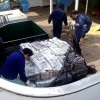
Shark Slaughter Advances Into Red Sea
Six Yemeni fishing boats captured in Egyptian territorial waters in June might have gone unnoticed if not for their unusual cargo -- several kilometers of long lines and over 20 tons of dead sharks.Dictators Guard Their Death Switch
Abolition movements are gaining momentum in North Africa, but authoritarian regimes appear reluctant to remove capital punishment from the penal code.
EGYPT: Oil, Water and Tourism Don’t Mix
Egypt's Red Sea resort cities have grown up in the shadow of oil development, but with tourism booming and the country's oil reserves drying up, many stakeholders think it is time to exorcise the oil spectre.EGYPT: Corruption Watchdogs Bite Selectively
Anti-corruption watchdogs have shown their teeth, but Egypt's fat cats appear safe from prosecution as long as they stay in favour with the regime.
Corruption Muddies Egypt’s Labour Pool
Saeed El-Masry was born poor, raised poor and, unless he can get ‘kosa,’ will probably die poor. Kosa is the Arabic word for zucchini, but it also means someone in a position of power who can open doors to gainful employment.North Africa Finally Sees the Light
Europe's appetite for renewable energy and a shifting tide in domestic energy policies could turn North Africa into major exporter of solar power by the end of the decade.
EGYPT: Looking Away From the Disabled
Egyptians find it hard to see past Mahrousa Salem's wheelchair, so they look away.EGYPT: Death Sentences Rise With Poverty
Egyptian courts are handing down death sentences with "alarming frequency" as the state attempts to use capital punishment to stem rising crime rates.EGYPT: Civil Society Sidelined Ahead of Elections
Egypt's ruling party is taking measures to restrict the work of non-governmental organisations ahead of crucial parliamentary elections.EGYPT: Population Growth Overtakes Literacy Rise
Literacy programmes are teaching millions of Egyptians to read, but are struggling to keep up with the country's high population growth.HEALTH: Chained to Smoking
Arab governments have stepped up efforts to curtail tobacco use, but initiatives have met stiff resistance from the region's smokers.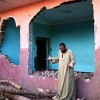
RIGHTS-EGYPT: Families Uprooted as Sphinxes Revive
Hajj Khodari lifts a defiant fist at the demolition machinery now just meters away from his front door.ENERGY: Planting New Seeds for the Take-Off
A salty, crunchy salad herb known to gourmands as samphire could revolutionise agriculture in the Middle East by providing food, fodder and fuel without using a single drop of freshwater.EGYPT: Press Freer, but Still Fettered
Not long ago an editorial like the one that appeared in the independent Al- Dustour newspaper this week might never have made it into print.EGYPT: Minimum Wage Not Enough
A stalemate between labour unions and business associations is preventing Egyptian authorities from setting a minimum wage that could improve the lot of millions of citizens living in poverty.MIDEAST: Clean Energy Faces Tough Financial Climate
Renewable energy projects in the Middle East could be scaled back or scuttled unless fresh sources of financing are found.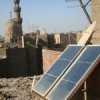
EGYPT: Rooftops Empower the Poor
In one of the poorest and most populous neighborhoods of Cairo, Hussein Soliman and his family live in a small apartment that is a model of clean energy living.ENVIRONMENT: Fishing in the Sewer
After four hours on the Nile in a rowboat with his two sons, fisher Hussein Abdel Malek tallies the morning catch: a plastic water bottle, an empty juice box, a half dozen plastic bags and two small tilapia.
EGYPT: Cheap Bread Frees Women to Work
At a small bakery in Cairo's Boulaq district, dozens of hands thrust through a barred window waving coins and small banknotes. The clerk inside deftly takes the money and deals loaves of round flatbread into plastic bags.RIGHTS-EGYPT: Bloggers Name and Shame Torturers
People might expect fresh-faced Noha Atef to spend a lot of time writing blogs and perusing social networking sites, but they are often surprised by the content of her posts and tweets. The 25-year-old Egyptian journalist uses the Internet to expose police abuse and torture in her home country.
CLIMATE CHANGE: Carbon Projects Waiting to Exhale
Initiatives to reduce Egypt's greenhouse gas emissions could get a big push if world leaders and environment officials meeting in Copenhagen for climate talks that start Monday agree to maintain or enhance the carbon trading framework.« Previous Page — Next Page »





The Week with IPS

NEXT STOP - SDGs
Tracking global progress towards a sustainable world
Tracking global progress towards a sustainable world
