Languages
Tuesday, October 13, 2026



News and Views from the Global South
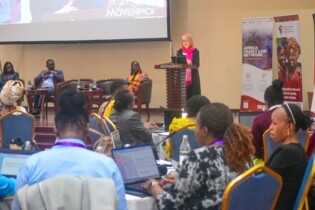
African Rights Advocates Coordinate Response to Family Law Backlash
Women's rights advocates, judges and lawyers have launched a coordinated campaign to reform family laws that discriminate against women and girls in Africa.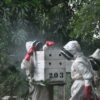
Inside the Funding Model Behind Kenya’s Tana Delta Restoration Project
Lydia Hagodana stands next to a bee yard (apiary) in Golbanti, Tana Delta, where she lives. The air carries a low, steady hum as bees move in and out in a constant stream. She lifts the back of one hive slightly, gauging its weight.
Artisanal Miners in Western Kenya Move Away From Mercury
They call this land Bushiangala. Gold has been mined here for nearly a century. In 1931, colonial prospectors arrived after traces were found in the nearby Yala River, setting off a rush that changed this quiet corner of western Kenya.
Extreme Heat Undermines Decent Work in North Eastern Kenya
By 9 a.m. on a Wednesday, Hawa Hussein Farah is already watching the temperature climb. Awake since 6 a.m., she has prepared her three children for school before walking them to class and heading to Suuq Mugdi, an open-air market in Garissa town, to buy the fruit she will sell.
Inside Africa’s Big Bet on Youth to Feed the Continent and Who’s Actually Getting Funded
Winnie Wambui leans forward on the panel stage, microphone in hand, scanning the room until she spots a raised hand.
Kenyan Biochar Project Becomes First in Africa Validated Under European Carbon Standard
In June 2025, Kenyan climate-tech firm Tera became the first African project developer to have its carbon removal initiative independently validated and registered under Riverse, a European standard for engineered climate solutions.
Kenya Pilots AI System to Protect Black Rhino Calves in Aberdare National Park
Conservationists in Kenya’s Aberdare National Park have piloted an artificial intelligence (AI) system designed to detect and deter hyenas—as part of an effort to protect black rhino calves ahead of their reintroduction to the zone.





The Week with IPS

NEXT STOP - SDGs
Tracking global progress towards a sustainable world
Tracking global progress towards a sustainable world
