Languages
Thursday, October 8, 2026



News and Views from the Global South
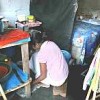
ECONOMY-SRI LANKA: Conditions Worsen For Women Workers
Ramani, 26, sits inside her small, dimly-lit boarding house room, cutting vegetables, in this industrial town outside Colombo. She plans to return to her rural village in May to get married.ECONOMY-SRI LANKA: Return of the IMF
Sri Lanka is going on bended knee to the International Monetary Fund (IMF) - an institution it chased away two years ago - for a bailout package worth 1.9 billion US dollars, as authorities scrape the barrel for foreign exchange.LABOUR-SRI LANKA: Gloomy Prospects in 2009
If the global financial crisis slams the brakes on worker remittances from the Middle East, Sri Lanka’s top foreign exchange earner, it could severely exacerbate this country’s economic woes, analysts say.SRI LANKA: Women Pray for Sons, Husbands Caught in Civil War
As the Sri Lankan army pushes deeper into Tamil rebel-held territory hundreds women can only pray that their sons and husbands, believed held captive by the Liberation Tigers of Tamil Eelam (LTTE), are spared.SRI LANKA: Oil Hedging Deal Turning Into Billion-Dollar Scam
As global oil prices dive, the Sri Lankan government finds itself saddled with a complicated oil hedging deal with two foreign banks that could cost the country close on one billion US dollars and has brought charges of high corruption upon state officials.SRI LANKA: Radio Play Poses New Questions About Journalist's Murder
A BBC documentary on Sri Lankan journalist and actor Richard de Zoysa poses fresh questions about his brutal murder, 19 years ago, by highlighting little-known facts about his links to a revolutionary group involved in two bloody insurgencies, but is now the country's third largest political force.SRI LANKA: Oil Futures Gamble Burns 300 Million Dollar Hole
The Sri Lankan government is grappling with a costly 300 million dollar payout to Citibank and Standard Chartered Bank (SCB), following a disastrous oil futures contract between the banks and the state-owned Ceylon Petroleum Corporation (CPC).SRI LANKA: Media Groups to Challenge New Restrictions
Media groups in Sri Lanka, already restricted from covering the war against Tamil rebels in the north, are bracing to challenge new regulations that seek to control television broadcasting and new media.
SRI LANKA: Spinning Livelihoods From Coir Fibre
Sriyawathie wades into a murky, greenish pond in this coastal district and scoops out coconut husks that have been left in the water for retting before being dried and spun into coir rope, matting and brooms.RIGHTS-SRI LANKA: Court Steps in as Governance Falters
Finding themselves up against corrupt politicians and indifferent governance, Sri Lankans are increasingly turning to the country's Supreme Court for relief, even for solutions to everyday issues.RIGHTS-SRI LANKA: Migrants Deaf to Death Penalty Warnings
Foreign workers and their families continue to turn a blind eye to the risk of execution in the Middle East, particularly to the dangers of going to Saudi Arabia with its 'macabre' death penalty system.
SRI LANKA: War May Cost Trade Benefits From EU
By refusing to allow the European Union to probe implementation of international labour and human rights covenants, on the grounds of sovereignty infringement, the Sri Lankan government may be jeopardising trade concessions and risking jobs in this country.
SRI LANKA: ‘Rice Paddies More Valuable Than Int’l Airport’
Sri Lankan rice farmers who fought against President Mahinda Rajapakse and his powerful brothers, trying to construct an international airport on their paddies, say they won because their cause was just and enjoyed popular support.SRI LANKA: Trading Debts Against Carbon Credits?
Little Sri Lanka wants developing countries to be able to trade their debts against the environment destruction and climate change attributed to the developed nations.SRI LANKA: Civilians Urge UN Not to Leave War Zone
As the Sri Lankan army stands poised to capture the rebel headquarters of Kilinochchi in northern Sri Lanka, residents of the town are urging United Nations agencies not to vacate the region as ordered by the government.SRI LANKA: Troops Surround Rebel Hq – NGOs Ordered Out
Saying it was keen to avoid a repeat of the August 2006 massacre of 17 local workers of a French aid agency, the government has ordered all non-governmental organisations (NGOs) to leave the Tamil separatist stronghold of northern Vanni, now under military siege.
SRI LANKA: ‘Animal Tracks’ Lead Villagers Out of Poverty
An impoverished village in southern Sri Lanka is slowly pulling out of poverty by churning out terra cotta moulds of animal footprints for tea connoisseurs all over the world.
SRI LANKA: Clampdown on International NGOs
Accusing international non-government organisations (INGOs) of disseminating ‘wrong’ information to media on the civil war with Tamil rebels and rights issues, the government has moved to tighten the visa regime for foreign workers in this country.SRI LANKA: No Lessons Learnt From 'Black July' of 1983
On the eve of the 25th anniversary of the 1983 anti-Tamil pogrom in Sri Lanka there are few signs that any positive lessons have been learnt from the gory events that changed this island nation’s history and sent a once booming economy into a downward trajectory.SRI LANKA: Scarcity, Insecurity as Army Besieges Rebel Hq
With the Sri Lankan army closing in on the Wanni, the headquarters of the Tamil Tigers in the north of the island, the embattled civilian population has been hit not only by scarcities but also by deep insecurity, according to humanitarian agencies remaining in the area.ECONOMY-SRI LANKA: Business as Usual Despite Rights Record
Is Sri Lanka's bloody ethnic conflict and dismal human rights record an issue for international corporations and multinationals doing business in the country? Business leaders and rights activists are divided on this.« Previous Page — Next Page »





The Week with IPS

NEXT STOP - SDGs
Tracking global progress towards a sustainable world
Tracking global progress towards a sustainable world
