Languages
Thursday, October 15, 2026



News and Views from the Global South
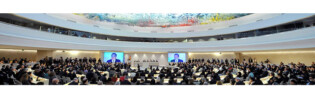
Abusive Governments Set to Win Seats in Human Rights Council
Egypt and Vietnam are on track to secure seats on the United Nations Human Rights Council despite being woefully unfit for membership. The UN General Assembly will elect members to the UN’s premier rights body in a noncompetitive vote on October 14, 2025.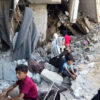
World Leaders Should Commit to Human Rights, International Justice
World leaders gathering at the United Nations General Assembly from September 22-30, 2025, should commit to protecting the UN from powerful governments seeking to defund and undermine the organization’s capacity to promote human rights and international justice, Human Rights Watch said today.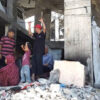
End Impunity for Israeli Crimes Against Palestinians: Demand Targeted Sanctions & Arms Embargo –at High-Level UN Conference
United Nations member countries should use the ministerial-level conference on Palestine on July 28-29, 2025, to publicly commit to concrete actions aimed at ending decades of impunity for Israeli authorities’ violations of international humanitarian and human rights law against Palestinians, Human Rights Watch said today.
Guinea: Bauxite Mining Boom Threatens Rights
 Guinea’s fast-growing bauxite mining industry is threatening the livelihoods of thousands of Guineans, Human Rights Watch said in a report released today. Mining has destroyed ancestral farmlands, damaged water sources, and coated homes and trees in dust.

Lebanon: Set Vote on Waste Management Law
Nabih Berri, Lebanon’s speaker of parliament, should schedule a vote on a draft waste management law before parliamentary elections on May 6, 2018. The law has been stuck in parliament since 2012, but came before the joint committees of parliament in January, the final step before a vote by the full parliament.
Zambia: Commercial Farms Displace Rural Communities
The Zambian government is failing to protect the rights of rural residents displaced by large commercial farms in Serenje district, Human Rights Watch said in a report released today.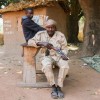
Central African Republic’s Lost Generation
Soldiers camping out in schools and breaking up desks for firewood is common in parts of the Central African Republic. According to a United Nations report from November, 20 percent of the country’s schools are not operational, many because of misuse by armed groups. Some students were forced out of school four years ago, when the mainly Muslim Seleka rebels cut a bloody swath through the country and seized the capital. Thousands more children stopped going to school in the ensuing years, as Christian-animist anti-balaka fighters ousted the Seleka, torching whole Muslim communities and displacing more than 860,000 people. Many of these children may never resume their studies, despite hopes kindled when a new government took over a year ago. Researcher Lewis Mudge talks to Amy Braunschweiger about his latest research and what a lost generation could mean for the future of one of the world’s poorest countries.
Zimbabwe: Widows Deprived of Property Rights
Widows in Zimbabwe are routinely evicted from their homes and land, and their property is stolen by in-laws when their husbands die, Human Rights Watch said in a report released today. The government of Zimbabwe should urgently take steps to protect widows from this practice.





The Week with IPS

NEXT STOP - SDGs
Tracking global progress towards a sustainable world
Tracking global progress towards a sustainable world
