Languages
Monday, October 26, 2026



News and Views from the Global South

China is the Driving Force Behind More, Newer Renewable Energies in Latin America
China, with its investments, products, technology, and innovation focused on solar and wind farms in Latin America and the Caribbean, as well as on electricity networks and services, stands out as a driving force for the region's shift toward energy less reliant on fossil fuels and increasingly cleaner and greener.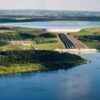
Pumped Storage Hydropower is an Option for Latin America
Having hydroelectric power without damming rivers, dismantling the environment or displacing populations is possible in Latin America and the Caribbean, with reversible power plants that take advantage of their mountainous geography, and pave the way for only renewable sources to generate electricity.
Venezuela’s Oil trapped in Hurricane Trump’s Onslaught
Reduced to a marginal oil producer over the past decade, Venezuela has suffered another blow as United States president Donald Trump ordered punitive measures to blockade and further restrict the country’s oil exports.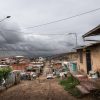
Latin America’s Poor Are More Urban and More Vulnerable
Poverty, while declining in Latin America and the Caribbean so far this century, shows a new face, that of the looming vulnerability of the poor as they become less rural and more urban, the United Nations Development Programme (UNDP) says in a new analysis.
Latin America: Pass on Renewables, Fail on Efficiency
The Latin American and Caribbean region is a student with good grades in renewable energy, but not in energy efficiency, and has a long way to go in contributing to global climate action and overcoming the vulnerability of its population and economies.
Between Harris and Trump, More Doubts Than Certainties for Latin America
Migration, trade, the defence of democracy, the confrontation with China and the collapse of multilateralism are issues that shed more doubts than certainties on Latin America's expectations of the imminent presidential elections in the United States.
Goodbye to Large Families in Latin America
Large families are already a relic of the past in Latin America and the Caribbean, as a result of modernisation and the growth of the economy and the labour force. Now, the region faces an ageing population and migratory movements.
Latin American Rulers Embrace Harsh Prisons
Invoking the fight against terrorists and sending those who can be charged with this crime to new maximum security prisons are increasingly emerging in the toolbox of Latin American leaders who want to show an iron fist against criminals and opponents.
A Tax on the Super-Rich to Fight Hunger Gains Ground
A global agreement could levy a small tax on the world's 3,000 richest people, with fortunes in excess of US$ 1 billion, and use the money to fight world hunger, a study by the Brazilian government and the European Union's Tax Observatory has shown.
Fake Climate Solutions Spread Across Latin America
Government and private initiatives and programmes to address the climate crisis in Latin America and the Caribbean are in fact a vast array of fake solutions, according to a new regional map made by environmental organisations in several of its countries.
Grassroots Venezuelan Initiative Aims to Combat Electricity Crisis with Solar Energy
Sweating profusely, unable to sleep because of the heat, fed up with years of blackouts several times a day, many residents of Venezuela's torrid northwest want to cover the roofs and balconies of their homes with solar panels, and are asking the government to import them massively and cheaply from China.
Venezuela Bids Farewell to Its Last Glacier, Wrapped in Plastic
Venezuela has undertaken the task of covering the remains of its last glacier, La Corona, on Humboldt Peak at 4,900 meters above sea level in the Andes mountains in the southwest of the country, with plastic "blankets" to slow the inevitable end of this icy patch of its mountain landscape and source of legends.
Poverty and Inequality Mark Rural Life in Latin America
Rural life in Latin America and the Caribbean continues to be marked by poverty and inequality compared to the towns and cities where the vast majority of the population lives. A new focus on rural life in the region could help reveal and address the challenges and neglect faced by people in the countryside.
Suicide, Another Face of the Crisis in Venezuela
In the wee hours of one morning in early November, Ernesto, 50, swallowed several glasses of a cocktail of drugs and alcohol in the apartment where he lived alone in the Venezuelan capital, ending a life tormented by declining health and lack of resources to cope as he would have liked.
Venezuela’s Young Women Particularly Vulnerable to the Crisis
Hemmed in by poverty, with barely two days of school a week, and often at risk of unwanted pregnancy or the uncertain prospect of emigration, young women and adolescents are among the main victims of the ongoing crisis in Venezuela.
Migration Puts the Brakes on Venezuela’s Vehicles
Diego has just enrolled to study journalism at a university in the Venezuelan capital and, with 2,000 dollars that his family members managed to gather, has bought his first car, a small 2007 Ford that can take him to class from his home in the neighboring Caribbean port city of La Guaira.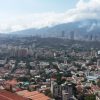
Open Migration Flows and Closed-Up Houses in Venezuela
Gladys swore she would not cry in front of her small children, but she still had to wipe away a couple of tears when she turned her head and looked, perhaps for the last time, at her dream house on Margarita Island in Venezuela, from where she migrated, driven by a lack of income and by fear.
Latin America Is Lagging in Its Homework to Meet the SDGs
The Latin American and Caribbean region is arriving at the Sustainable Development Goals Summit on the right track but far behind in terms of progress, at the halfway point to achieve the SDGs, which aim to overcome poverty and create a cleaner and healthier environment.
Latin America Must Regulate the Entire Plastic Chain
Countries in Latin America and the Caribbean have made progress towards partial regulations to reduce plastic pollution, but the problem is serious and environmental activists are calling for regulations in the entire chain of production, consumption and disposal of plastic waste.
Venezuela’s Educational System Heading Towards State of Total Collapse
Hundreds of thousands of children and young people, and thousands of their teachers, drop out of regular schooling in Venezuela year after year, and most of those who remain go to the classroom only two or three days a week, highlighting the abysmal backwardness of education in the country.
‘News Deserts’ Are Rampant in Latin America
Without the means to receive information about what is happening around them, millions of Latin Americans who live in poor remote rural or impoverished urban areas inhabit veritable news deserts, according to an increasing number of studies conducted by journalistic organizations in the region.Next Page »





The Week with IPS

NEXT STOP - SDGs
Tracking global progress towards a sustainable world
Tracking global progress towards a sustainable world
