Languages
Monday, October 19, 2026



News and Views from the Global South
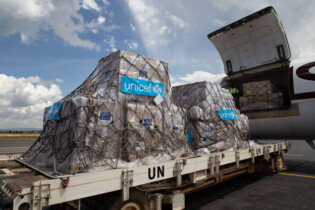
Ebola Spread Raises Fresh Urgency for Africa’s Domestic Health Funding
An Ebola death last week in Kenya is highlighting the urgency of Africa’s public health emergency preparedness and how the continent’s governments are committing their national budgets to the health sector.
New Chickpea Variety to Drive Climate Resilience in Africa
New chickpea seed research and production have become the new frontier of climate resilience in southern Africa as farmers battle failing cereal production.
How AgricTech Cuts Labour for Zimbabwe’s Female Farmers
Long burdened by the labour-intensive nature of agriculture, Zimbabwe's female farmers are finding relief in new agritechnologies that significantly reduce the time they spend in the field.
African Countries Up Efforts to Tax High-Income Individuals
African countries are exploring ways to tax high-earning individuals as the continent seeks to expand its revenue collection amid what experts say is a growing gulf between rich and poor.
Africa’s Minerals Boon, Cautious Optimism Amid Geopolitical Disruptions
Africa’s eye on minerals as the be-all-and-cure-all for the continent’s development agenda is being tested by geopolitical gamesmanship as global superpowers jostle to carve new spheres of influence.
African Fish Workers Excluded From International Trade Deals: Report
A new report has raised concerns about the exclusion of African fish workers from trade protocols between their governments and developed countries, resulting in impoverished communities relying on fishing.
African Countries Called Upon to Improve Data Collection
Africa's lack of robust application of statistical research has been flagged as slowing the use of evidence-based data to drive development.
African Countries Urged to Plug Wealth Loss, Stop Illicit Financial Flows
Africa loses billions of dollars annually through illicit financial flows, resulting in the continent failing to improve the lives of millions of people despite vast mineral wealth, according to experts. Agencies say more needs to be done to turn the continent's natural resources into prosperity at a time governments are struggling to address challenging economic conditions that have spawned high poverty levels.
African Public Transport Struggles To Match Urban Growth
As the population in African cities grows, governments are struggling to provide sustainable public transport solutions, conditions that have led to gridlock in major business districts.
Mixed Fortunes for Africa’s Rapid Urbanization—Report
A new report says African cities will record rapid urbanization in the next decade, creating a mixed bag of socio-economic opportunities and challenges for the continent. This development is projected to result in wealthier consumer markets, better connected and more sophisticated commercial hubs, and larger bases for industrial production.
African Diaspora To Drive Continent’s Development Ambitions
As the African diaspora continues its growth, agencies are seeking ways to tap into this vast demographic to help with the continent's development. Remittances from millions of Africans scattered across the globe have been hailed for sustaining local economies, but a new initiative is aiming to form upscale diaspora investments for longer-term economic development.
Rising Temperatures Drive Human-Wildlife Conflict in Zimbabwe
Rising temperatures are being blamed for an increase in human-wildlife conflicts in Zimbabwe as animals such as snakes leave their natural habitat earlier than usual.
Amid Record Displaced Persons, Migrant Remittances Spike—New IOM Report
While there have been a record number of displaced people worldwide, according to a new report by the International Organization for Migration (IOM), migrant remittances are promoting human development.
Funding, Policy Changes Could Result in Countries Reaping Benefit of Migration
Amid an escalation of global conflict and climate change-induced displacements, the International Organization for Migration (IOM) is escalating its donor campaign. For the first time since the organization’s formation in 1951, the IOM says it is "proactively approaching all partners to fund this vital appeal," at a time when the number of migrants making perilous intercontinental journeys has increased.
Call for Rural Agriculture Investment, Less Food Wastage to Address Global Hunger
The politics of global food consumption remain contentious, with the upcoming COP28 taking place against the backdrop of worsening food deficits in the Global South.
Zimbabwe’s Food Security Ambitions in El Niño’s Crosshairs
Zimbabwe is riding a wave of food security assurances after what officials said was last year’s bumper grain harvest, but recent El Niño forecasts could test the country’s agriculture production ambitions.
Human Rights Concerns Ahead of Zimbabwe Polls
Zimbabwe holds general elections next month amid growing human rights and press freedom concerns in what analysts say could mar conditions for undisputed poll results.
Women’s Savings in Zimbabwe Struggle Under Weight of Unstable Currency
For years, self-employed and unemployed women in Zimbabwe formed neighbourhood "clubs" where they pooled money together for everything from buying bulk groceries to be shared at the end of the year to meeting funeral expenses.
Amid Power Cuts in Zimbabwe, Food Preservation Made Easy by Grannies
Amid silent refrigerators spawned by crippling electricity cuts, township grannies are relying on their smarts and traditional preservation: roasting and smoking meat over fires as they attempt not to throw away food.
Press Freedom on Trial in Zimbabwe Ahead of Elections
With only a few months to go before national elections in Zimbabwe, press freedom advocates are raising concerns about stringent reporting conditions set by the government.
Zimbabwe Political Violence Casts Spotlight on Free and Fair Polls
With political violence escalating in Zimbabwe, national elections slated for later this year face questions about whether the polls will meet free and fair international benchmarks.Next Page »





The Week with IPS

NEXT STOP - SDGs
Tracking global progress towards a sustainable world
Tracking global progress towards a sustainable world
