Languages
Tuesday, October 6, 2026



News and Views from the Global South

ENVIRONMENT-ZIMBABWE: Future Generations Will ‘Inherit Only the Wind’
The plumes of smoke rising above the dense working class suburbs of Bulawayo are a sign of the environmental impact of Zimbabwe's electricity crisis.WORLD WATER DAY: Water Everywhere but Not a Drop to Drink
When there are water cuts in Bulawayo, the plants in 59-year-old Ntombizodwa Makati’s vegetable garden are still watered - but she and her family go thirsty.
ZIMBABWE: Informal Sector Lures University Graduates
From the rickety old buses that miraculously make long cross-border journeys to the frustrating red tape at the border post, from fending off sexual advances from bus crews and customs officials to losing goods worth thousands of dollars, 28-year-old Irene Moyo has seen it all.
SOUTHERN AFRICA: Preparing for Flood Season
Southern Africa is entering flood season. Governments and policy makers have been challenged to adopt a more preventive approach to disaster management by the Red Cross - what measures are in place?SOUTHERN AFRICA: Lack of Clean Groundwater a Health Threat
As the rainy season approaches, and sewage from pit latrines seep further into the Zimbabwe's groundwater, Irene Ngubeni will be at risk as the country faces another possible cholera outbreak.EDUCATION-ZIMBABWE: Students Quit Classes – and Country – As Crisis Deepens
Schooling is increasingly becoming a privilege of the rich, , Zimbabwean parents and teachers' unions complain.
ZIMBABWE: Football Fails to Feed Families
Football was never a ticket to fabulous wealth in Zimbabwe, at least not for players who stayed in the country. But the economic situation has made it ever harder to play simply for the pride and pleasure of pulling on local team colours.POLITICS-AFRICA: Zimbabweans Rubbish SADC’s Sanctions Call
The unresolved issues plaguing Zimbabwe’s coalition government are set to drag on after southern African leaders once again failed to call President Robert Mubage to book for reneging on his coalition promises.ZIMBABWE: Use of Foreign Money Becoming Political Football Again
Dorothy Tembo wears a look that tells a story of years of hard work. She dotes on her grandchildren and enjoys talking about the past. A keen observer of the history happening around her, she easily narrates Zimbabwe's trials and tribulations from the pre-independence years to the present, of which she says she has never seen so much death and suffering.HEALTH-ZIMBABWE: No Treatment for Sick as State Doctors Strike
Before, Zimbabwean families would take their ill relatives to rural clinics where medication was readily available and payment plans lenient. But now they are taking them there to die.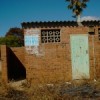
ZIMBABWE: Neglect Sanitation at Your Peril
A functioning public toilet has become a rare sight in Bulawayo. Across this southern Zimbabwean city of about two million residents, public toilets have all but stopped functioning, the buildings now more useful as platforms for graffiti and campaign posters than as public conveniences where people answer the call of nature.DEVELOPMENT-ZIMBABWE: Investor Absence Fuels Retrenchments
Forty-year-old Thelma Dube was this month told by her long-time employer to stay home. She will be called back to work when business picks up. Her husband got the same instruction, as did hundreds of other workers at the company Textile Mills in Zimbabwe’s second largest city.ZIMBABWE: Long Road to Water Sustainability
As funds begin trickling in for Zimbabwe’s reconstruction efforts, the rebuilding of infrastructure battered by years of neglect is set to gobble a huge chunk.ZIMBABWE: Urban Residents Left Behind by Dollarisation
Cash-strapped residents of Bulawayo, Zimbabwe's second city are digging in their heels and refusing to pay utility bills despite the municipality teetering on the brink of bankruptcy. At the heart of the dispute are dismal service delivery and the conundrum of using multiple currencies in an economy that boasts world record inflation.ZIMBABWE: Little Interest in Trade Fair Despite Political Changes
The Zimbabwe International Trade Fair (ZITF) was until a few weeks ago - and for the first time since its inauguration half a century ago - on the verge of being postponed because of a lacklustre response from exhibitors to what was once southern Africa's premier showcase of trade opportunities.ZIMBABWE: The Railways — From Public Utility to Public Liability
Zimbabwe’s poorly funded public transport utilities - which over the years have all but stopped functioning - are making it difficult for small and informal traders to import essential goods from neighbouring countries.TRANSPORT-ZIMBABWE: Your Money And Your Life
Despite the crater-sized potholes that fill Bulawayo roads, Desmond Hikwa is not slowed down as he speeds across this city of more than two million transporting commuters from sunrise to sunset.ZIMBABWE: Unity Govt – Guarded Optimism At Local Level
Zimbabwe's power sharing deal comes as the country's Movement for Democratic Change (MDC) controlled urban councils are facing a multitude of challenges after years of what they claim is interference in the running of their affairs by the Zimbabwe African National Union-Patriotic Front (ZANU-PF).ZIMBABWE: Government Scheme to Access Forex Blocks Small Business
The ZANU-PF government’s efforts to gain access to foreign exchange (also known as forex) by imposing an expensive licensing system on Zimbabwean enterprises, enforced with the threat of prosecution, is undermining one of the last remaining means of survival in the collapsing country.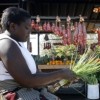
POVERTY-ZIMBABWE: Gardening Lifeline for Urban Women
Growing and selling vegetables has become a lifeline for 41-year-old Mavis Dube at a time when millions of Zimbabweans face increasing poverty and hunger after years of debilitating economic recession.POVERTY: Water Wars Hit Rural Zimbabwe
When water experts warned at the turn of the millennium that soon wars will be fought not over oil anymore but over water, little did Zimbabweans know that they would be some of the first people affected by this dire prediction.« Previous Page — Next Page »





The Week with IPS

NEXT STOP - SDGs
Tracking global progress towards a sustainable world
Tracking global progress towards a sustainable world
