Languages
Monday, November 9, 2026



News and Views from the Global South

RELIGION: Fighting Hunger – A Matter of Faith
The world's major religions might disagree on theology and matters like the foods we ought to eat and the days we should rest on, but when it comes to fighting hunger, they see eye to eye.
EDUCATION-INDONESIA: Mobile Classes a Lifeline to Dropouts
Two years after the economic recession forced her out of school, 20-year-old Nurul Kumala is now back in classes – mobile classes, that is.RIGHTS: Sri Lanka’s Election Aftermath – Media Under Attack
Sri Lankan journalists, for whom intimidation, threats, assault and killings seem to have become unavoidable professional hazards, are bracing themselves for a fresh confrontation with the government as curbs on reporting intensify.US-IRAN: Sanctions Are the Talk of the Day
If there were any doubts about what exactly U.S. President Barack Obama meant when he warned Iran of "growing consequences" during his State of the Union address last month, they seem to be dispelled by recent statements from top administration officials, who are beating the sanctions drum loud and clear.RIGHTS: Group Urges Bahrain to Stop Torture of Detainees
Bahrain's security forces should immediately cease the use of torture to elicit confessions from prisoners suspected of security offences, says the New York-based Human Rights Watch (HRW).Ecobreves – HONDURAS: Organics at a Global Fair
Seven companies, most of them consisting of peasant and indigenous farmers, will represent Honduras at BioFach 2010, an international fair of organic products taking place Feb. 17-20 in Nuremberg, Germany.Ecobreves – BRAZIL: Naturally Protected Foods
A natural film has many advantages over plastic sheets that it can replace in protecting food, especially fruit. The film is made of edible material, from proteins extracted from maize, wheat and other plants.Ecobreves – ARGENTINA: Buenos Aires 'Lung' Threatened
Without management or a budget, the most important public park in the Argentine capital is falling apart, due to the increase in its commercial use.Ecobreves – MEXICO: Promoting Bicycle Use
Fans of cycling are applauding the launch on Feb. 15 of a program to promote bicycle use in one area of the Mexican capital, but they are asking the city government for more support for this transportation alternative.EUROPE: Poland’s Pension Cuts – Cue for Former Eastern Bloc
Poland’s pension cuts on tens of thousands of former communist functionaries and secret police officers are adding fillip to campaigns in other East European states for similar legislation.YEMEN: Development Recognised as Crucial for Stability
Amid growing concerns here over the threat posed by Al Qaeda in the Arabian Peninsula (AQAP), a consensus is emerging among U.S. experts that Washington and other donors to Yemen must place at least as much or greater emphasis on promoting sustainable development in the Arab world's poorest country as on counterterrorism.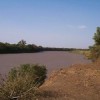
ETHIOPIA: Dam Critics Won’t Go Away
Ethiopia is building a 240-metre high dam on the Omo River that is intended to end the country's electricity shortage and supply power to neighbouring countries. Not everyone's happy.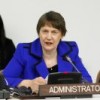
DEVELOPMENT: South-South Cooperation Key to MDGs
Member states meeting here Thursday called for the immediate implementation of development commitments made during the Nairobi high-level U.N. conference on cooperation between developing countries.RIGHTS: Legal Experts Slam “Targeted Killings” of US Citizens
Civil liberties advocates and legal authorities struck back Friday at what they describe as the "deliberate targeted killing of U.S. citizens far away from any active hostilities, as long as the executive branch determines unilaterally that they meet a secret definition of who the enemy is."U.S.: Bill Pledges a Billion Dollars to Fight Gender Violence
The U.S. House and Senate introduced new legislation Thursday that addresses the plight of women around the world who are victims of violence.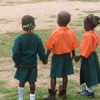
UGANDA: Early Diagnosis of HIV Still Elusive
HIV-positive Justine Kirumira* is a mother torn between doing what is right for her daughters and her own fear of HIV/AIDS. She suspects that her eight and 12-year-old daughters may also have the virus. But she may never know the truth of their status because she refuses have them tested.U.S.: Immigration Enforcement Prone to Abuses
A little-known programme run by the Department of Homeland Security is using inaccurate databases and functioning "as little more than a dragnet to funnel even more people into the already overburdened" detention and deportation system of the Immigration and Customs Enforcement (ICE) agency.
DEVELOPMENT: Natural Dye Omnibus Draws Top Researchers to India
A 15-volume documentation of 3,000 natural dyes by a 19th century British textile entrepreneur will be the focus of an upcoming international seminar on natural dyes in India.POLITICS: West Treats Iran’s Nuclear Offer with Caution
The declaration by Iranian President Mahmoud Ahmadinejad that his country is ready to exchange low-enriched uranium for nuclear fuel has been met with a mostly cautious reaction by Western leaders.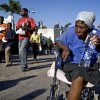
HAITI: Displaced Women Face Double Jeopardy
Women's rights and development activists working in Haiti say that greater attention must be paid to the immediate needs of women and girls, as well as their role in the long-term reconstruction of the devastated country.MIDEAST: Raze Illegal Buildings – Unless They Are Jewish
Backed by armed security men, the municipal inspectors race their jeeps through the narrow alleyways and up a hillside crowded with buildings.« Previous Page — Next Page »





The Week with IPS

NEXT STOP - SDGs
Tracking global progress towards a sustainable world
Tracking global progress towards a sustainable world
