Languages
Sunday, October 25, 2026



News and Views from the Global South
AFRICA: “Ideal for the Development of a Real Economy”
Foreign direct investment in Africa over the last decade has contributed to marked economic growth for the continent but it has not translated into development for its people, say pan-African leaders.Moana Nui Set to “Undress” APEC
This November, when the Asia-Pacific Economic Cooperation (APEC) forum holds its annual rotating summit in Honolulu, it will attract more than the attention of the world's media.MIDEAST: Israel Builds Settlements, and Wants Talks
Days after his half-hearted conciliatory U.N. appearance, Israeli Prime Minister Benjamin Netanyahu had already approved the construction of 1,100 flats in occupied East Jerusalem. Yet on Sunday, he threw his support behind the new Mideast Quartet's peace plan with the Palestinians.Ecobreves – BRAZIL: Climate Change Threatens Amphibians of the Cerrado
Agriculture-driven deforestation, climate change and poor conservation policies are threatening the survival of amphibians in the Cerrado, a vast savanna region in central Brazil, according to a study conducted by the non-governmental organization Pequi - Research and Conservation in the Cerrado.Ecobreves – CENTRAL AMERICA: Transborder Plan for the Gulf of Fonseca
Honduras, El Salvador and Nicaragua are preparing to implement a transborder development plan for the Gulf of Fonseca, an inlet of the Pacific Ocean shared by the three countries, with the goals of reducing natural disaster risks and more effectively managing natural resource use.Ecobreves – ARGENTINA: Activists Applaud Limit on Fish Exports
The Argentine government’s decision to limit exports of sábalo (Prochilodus lineatus), the main commercial fish species in the Paraná River, has been applauded by the PROTEGER Foundation, a non-governmental conservation organization.
"The Future of Brazil is the Natural Knowledge Economy"
Brazil has the potential to explore a new model of tropical development, but it also faces all of the global risks posed by climate change, says climate expert Carlos Nobre.
AFRICA: More Dangerous to Be a Woman than a Soldier
African women who bear the brunt of the continent’s conflicts now demand to play a defining role in peacekeeping.
Occupy Wall Street: “It Is a Revolution”
Since Sep. 17, hundreds of demonstrators in the Occupy Wall Street movement have transformed the quiet Zucotti Park in lower Manhattan from a place where Wall Street traders once relaxed during lunch breaks into a demonstration camp.
Salvadoran Campesinas Go Organic
The guavas grown by Mariana Rosales are big and bright green, and the best thing about them, she says proudly, is that she does not spend a single cent on fertilisers to produce them – something extremely rare in a country like El Salvador.
PAKISTAN: Guns Aimed Increasingly at Women
Guns available in new abundance in the troubled north of Pakistan are increasingly being used on women in ‘honour’ killings and domestic disputes, according to local reports.Expanding Technologies Fail to Bridge Broadband Divide
Despite an overall increase in global internet usage and in the prevalence of information and communication technologies (ICTs), the gap between developing and developed countries remains vast when it comes to accessing broadband connections.Caribbean Joins with EU, ACP to Better Manage Migration
With the exception of those pictures of Haitians in overcrowded, unseaworthy vessels trying to reach places like The Bahamas and the United States, the image of the Caribbean is usually not one that portrays people from poor developing countries desperately trying to scratch out a living among the scattered islands.BOOKS: “The End of Loser Liberalism” and the Free Market Myth
The top one percent of earners in the United States now controls over 40 percent of the nation's wealth, their income steadily rising while much of the country earns less than what it did a decade ago and an all-time high of 46 million Americans now live below the official poverty line.
FILM: Former Criminals Turn to Preventing Crime
With 432 murders reported last year, Chicago's homicide rate is over 50 percent higher than that of New York City or Los Angeles, according to the 2010 crime report of the US Federal Bureau of Investigation (FBI).ENVIRONMENT: Youth Share Best Practices at Tunza
Participants at the ‘Tunza International Children and Youth Conference’ underway in this Indonesian city shared best practices and ideas with fellow delegates on Wednesday, hoping they would get replicated.CORRUPTION: China Begins to Watch Out
When Internet activist ‘Huaguoshan Zongshuji’ published a survey of luxury watches worn by Chinese government officials this month, the move was commended by the state media. Yet weeks later the survey was censored - shooting the one-party state’s uneasy relationship with corruption into the spotlight.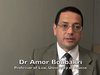
Dr Amor Boubakri – Professor of Law, University of Sousse
 DEATH PENALTY: On Popular Demand
By Sanjay Suri
LONDON, Sep 27, 2011 (IPS) - The image endures of the death penalty in force across the Arab world because it is considered somehow Islamic, and because most regimes are undeniably autocratic. But campaigners on the ground say the death penalty might just be in place because the people want it. Which would make it in essence a democratic institution.
ipsnews.net/news.asp?idnews=105252

Tanya Awad Ghorra AUNOHR
DEATH PENALTY: On Popular Demand
By Sanjay Suri
LONDON, Sep 27, 2011 (IPS) - The image endures of the death penalty in force across the Arab world because it is considered somehow Islamic, and because most regimes are undeniably autocratic. But campaigners on the ground say the death penalty might just be in place because the people want it. Which would make it in essence a democratic institution.
ipsnews.net/news.asp?idnews=105252 
The Battle Over Canada’s Tar Sands: Citizens Speak Out
 On Sep. 26, normally placid and polite Canadians shouted, waved banners and demanded the closure of the multi-billion-dollar tar sands oil extraction projects in northern Alberta to protect the global climate and the health of local people and environment.

SOUTH AFRICA: In Need of a Unified Climate Change Policy
The implementation of a unified climate change policy across all of South Africa’s government departments will not be easy as the divisions currently work largely as separate entities, says Greenpeace Africa.« Previous Page — Next Page »





The Week with IPS

NEXT STOP - SDGs
Tracking global progress towards a sustainable world
Tracking global progress towards a sustainable world
