Languages
Sunday, November 8, 2026



News and Views from the Global South
Ecobreves – HONDURAS: Identifying Geological Faults in Tegucigalpa
A mission of experts from the Japan International Cooperation Agency is in Honduras to identify the main geological faults in the capital and propose actions to reduce the city's vulnerabilities, which have been revealed over the last two months of heavy rains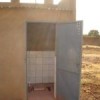
BURKINA FASO: Race to Achieve Goals on Sanitation
The government of Burkina Faso has embarked on the construction of 55,000 latrines each year to improve access to proper sanitation for the population from the present 10 percent to 54 percent by 2015.MALAWI: Innovative Campaigning by Women Candidates
You will find Beauty Kasonda on her campaign trail at funerals, weddings, church functions or just about any local gathering in her community. Kasonda does not have the sort of funding her male counterparts have for campaigning in the country’s November 2010 elections but she is not letting that stop her.Long-Awaited Cluster Bomb Ban Enters Into Force
Thirty-eight countries will start observing the Convention on Cluster Munitions this Sunday, Aug. 1, after a rapid entry into force since the treaty was announced two years ago in Oslo.
Haiti Gears Up for Polls – Again, Sans Lavalas
After weeks of delays, Haitian President René Préval confirmed this month that presidential and legislative elections will take place on Nov. 28. The U.N. and Western donor nations are pledging millions of dollars in support of the polls, but with at least 1.5 million people still homeless from the January earthquake, questions loom over how to ensure voter participation.
MADAGASCAR: Women Form Own Political Parties for Fair Representation
Brigitte Rasamoelina and Yvette Sylla are women with two different approaches to politics in Madagascar. One formed a political party, while the other decided to legalise her organisation as an association. But both women are considering running in Madagascar's November elections.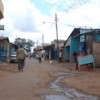
TRADE: Malawi Stands Firm on Conditions for Signing EPA
The Malawian government has again stood firm in the face of calls by the European Union (EU) to sign an economic partnership agreement (EPA) -- even after top-level EU officials visited the southern Africa to convince it to put pen to paper.ZIMBABWE: Rural Children with HIV a ‘Lost Cause’
Eleven-year-old Irene Thembo* lies curled like a foetus on a white wooden bench for outpatients at a clinic in rural Zimbabwe. The orphan, whose parents died of HIV-related illnesses, is terribly sick.Dutch Christian Group Backs Settlements
Sandwiched between giant car and furniture stores on a motorway stop-off, a blue-and-white Star of David flag droops nonchalantly on a stifling summer's day. The factory-like building beside it could easily be missed by a traveller who blinks too soon, yet the work undertaken here in the Israel Centre is far from commonplace.Rape, Deception, or Racism
"It was consensual, I owe an apology to no one other than my wife and two children. They're the ones who've suffered from this. And myself."
SINGAPORE: Drumming Up Youths’ Support in Anti-trafficking Campaign
A small group of students gathered, drawn like butterflies to the sweet sound of soft rock and pop music. Home to one of the most vibrant student communities in Singapore, Ngee Ann Polytechnic is no stranger to loud music and louder fashion sense. What was unusual for the crowd, though, was the concert’s mission – to drum up youths’ support against human trafficking.Khmer Rouge Verdict Hailed as a “First Step”
Lauding the conviction of a Khmer Rouge leader Monday as a historic moment in the history of Cambodia, some international human rights groups also expressed disappointment with what they view as a lenient sentence, and urged an end to what they described as "political interference" in the judicial process.URUGUAY: Millennium Goal on Maternal Health in Sight
Uruguay is on the point of reaching the Millennium Development Goal for reducing the maternal mortality ratio, but it is still behind in other aspects of maternal health, like providing integrated sexual and reproductive health care, fighting syphilis and checking on mothers and babies during the postpartum period.CAMBODIA: 30 Years in Jail Too Short for Khmer Rouge Leader – Victims
The Khmer Rouge tribunal delivered its first verdict Monday and sentenced a key leader of the genocidal regime, Comrade Duch, to 30 years behind bars, but many victims were left complaining over this sentence outside the emotional courtroom.Trinidad Seeks to Close the Book on 1990 Coup Attempt
For the past 19 years, Wendell Eversley has been staging a one-man protest calling for a public inquiry into the failed coup by a group of radical Muslims against the then Trinidad and Tobago government headed by Prime Minister Arthur N.R. Robinson.
MALAWI: Government Money-Saving Measure Costs Traders Dearly
The Malawian government’s new cost-cutting prohibition on the hosting of conferences, training sessions and workshops on the shores of Lake Malawi has hit small-scale merchants who ply their trade on the roadsides and beaches of the fresh-water lake.Ecobreves – ARGENTINA: Another Controversial Project on the Uruguay River
Residents of Concepción, in the eastern Argentine province of Entre Ríos, have denounced the start of infrastructure construction on the Uruguay River without the approval of the bilateral commission that oversees this border river.Ecobreves – MEXICO: No Profits from GM Crops, Says Greenpeace
Yields from genetically modified (GM) crops did not provide additional economic benefits for the farmers in many countries, and the same could happen in Mexico, according to a study by the environmental organization Greenpeace.Ecobreves – BRAZIL: Making Use of Power Lines' Wasted Electricity
The energy that is lost along electrical transmission lines can be utilized by small, nearby communities, says José Ezequiel Ramos, an engineer with the government electrical company Eletrobras.MALAYSIA: Gender Paradox Means Too Few Women Decision-makers
It is a paradox, all right. Women make up more than half of those who take part in protests and other activities organised by her political party on issues affecting low-income workers, says Rani Rasiah of the Socialist Party of Malaysia.Mentally Ill Adrift in U.S. Immigration System
Mentally disabled legal permanent residents of the United States and asylum seekers face indefinite detention, erroneous deportation, and unfair hearings in U.S. courts, according to a new joint report from two leading human rights organisations.« Previous Page — Next Page »





The Week with IPS

NEXT STOP - SDGs
Tracking global progress towards a sustainable world
Tracking global progress towards a sustainable world
