Languages
Thursday, October 22, 2026



News and Views from the Global South
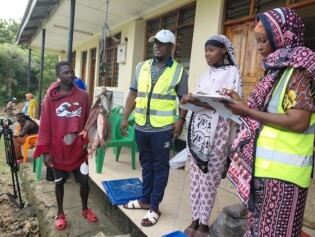
From Nets to Numbers: How Kenya’s Small-Scale Fishers Use Data to Save Their Ocean
As the afternoon sun casts a golden glow over Mukwiro village on Wasini Island on Kenya’s Indian Ocean South Coast, Mwanasiti Mwalola, 26 and Mzungu Mohammed Dhossa, 45, stand at the community fish landing site, carefully receiving baskets of freshly caught fish from returning fishers. A weighing scale hangs before them, with a pen and notebook in their hands; the two have one duty: to collect data on the stock being delivered by artisanal fishers.
Stateless at Home: Kenyan Somalis Struggle to Reclaim Citizenship from Refugee Records
In 2006, Amina Saida was only two years old when her parents moved to the Dadaab refugee camp in northern Kenya, near the border with Somalia.
Thousands of Kenya’s Smallholder Coffee Farmers Risk Losing EU Market as Deforestation Law Takes Effect
For the last twenty years, Sarah Nyaga, a smallholder farmer from Embu County in central Kenya, has farmed coffee. Like most across Kenya, she relies on the export market. A greater percentage of Kenya’s coffee ends up within the European Union market, but a new law threatens to disrupt what has been a source of income for thousands of farmers like Nyaga.
Kenyan Court Restores Seed Freedom: Landmark Ruling Boost for Food Security and Sovereignty
For years, smallholder farmers across Kenya have been engaged in a legal battle with the government over a law that criminalizes the practice of saving, sharing and exchanging indigenous seeds.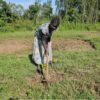
Farmers Earn While Reviving Native Forests Through a Blockchain-Powered App
For years, Morris Onyango had been trying to reforest his degraded land on the shores of River Nzoia, in Siaya county, 430 kilometers from Kenya’s Capital, Nairobi. But every time he planted trees on his farm, his efforts bore little fruit, as floodwaters would not only wash away his tree seedlings but also fertile topsoil on his land.
Kenya’s Shirika Plan: A New Dawn for Refugee Rights and Integration
When Jean Baremba arrived in Kenya in 2018, he looked forward to rebuilding a life shattered by war in the Eastern Democratic Republic of Congo.
Air Quality Sensors Boosting Nairobi’s Fight Against Air Pollution
Deborah Adhiambo (43) has been battling mild asthma since 2022, a condition she describes as “both a health and economic burden.’’ The mother of three lives within Dandora Estate, nine miles east of Kenya’s capital, Nairobi. Dandora is home to Kenya’s largest open landfill, which receives more than 2,000 metric tonnes of waste daily.





The Week with IPS

NEXT STOP - SDGs
Tracking global progress towards a sustainable world
Tracking global progress towards a sustainable world
