Languages
Thursday, October 8, 2026



News and Views from the Global South
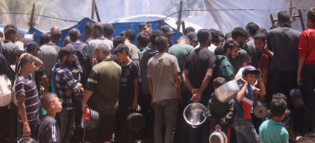
Justice for Palestinians Can’t Wait for a Peace Deal
The calamitous situation in Gaza, with Palestinian civilians facing extermination and ethnic cleansing by Israeli forces, was a major focus of the annual United Nations General Assembly (UNGA) high-level week. Along with recognition of the state of Palestine by France, the United Kingdom, Australia, and Canada, among others, states made key commitments on human rights and accountability that were overwhelmingly adopted by the UNGA and now need to be fulfilled.
UN Needs to Protect its Vital, Yet Underfunded, Human Rights Work
Major-power cutbacks and delayed payments amidst conflict and insecurity are testing the very principles and frameworks upon which the international human rights infrastructure was built nearly 80 years ago.
UN’s Financial Troubles Jeopardize Critical Human Rights Work
A cash crunch and hiring freeze at the United Nations threaten to hinder UN human rights investigations in places like Sudan, Ukraine, and Syria.
In Praise of Competitive UN Elections
Next month’s United Nations Security Council elections show why competition is important. UN votes for seats on important bodies like the Security Council and Human Rights Council often make a mockery of the word “election.” They typically have little or no competition, ensuring victory for even the least-qualified candidates.
China and Russia Fail to Defund UN Human Rights Work
United Nations member states agreed to fully fund UN human rights mechanisms that China, Russia, and their allies had sought to defund in the 2023 budget. This should set a precedent for UN human rights funding in the future.
UN Chief Should Lead by Example on Human Rights
United Nations Secretary-General Antonio Guterres has long needed to overhaul his approach to human rights. Hopefully his call to action announced in Geneva yesterday is the start of something new.





The Week with IPS

NEXT STOP - SDGs
Tracking global progress towards a sustainable world
Tracking global progress towards a sustainable world
