Languages
Tuesday, October 6, 2026



News and Views from the Global South

HEALTH-SWAZILAND: New Effort To Control TB
Swaziland saw a 5.6 percent increase in tuberculosis cases between 2008 and 2007. Out of a population of one million, 10,000 are infected with TB, one of the highest rates of TB infection in the world.
SWAZILAND: Govt Pleads for More Time On Free Primary Education
"This demonstration is close to my heart because the cause we’re fighting for affects me directly," said Thabile Ngwenya, a teacher at a rural primary school teacher in central Swaziland.HEALTH-SWAZILAND: TB: ‘Indeed We Have a Problem’
The Swazi government's slow response to a fast-growing tuberculosis epidemic has eroded the possibility of controlling it.
HEALTH-SWAZILAND: 'Role Models in the Community'
She is popularly known as sitjifiri (beautiful and well-kempt woman in SiSwati). Sylvia Khuzwayo travels across the Shiselweni region in the southern part of the Kingdom of Swaziland, giving testimonials to communities on her experience of living with HIV.ECONOMY: Microlenders and Swazi Government: Untidy Divorce
When the Swazi government announced that it would no longer deduct loan repayments from the salaries of civil servants on behalf of microlenders, the sector was thrown into chaos.SWAZILAND: Simple Solution – Save Rainwater
It's so early, the frogs are still croaking, as women push forward holding firmly onto their buckets while dodging cattle that are also scrambling for water in the pond at Gebeni. It has rained only a few times since the wet season began in October, and competition for water begins as early as 5:00 am.
SWAZILAND: Free Education? Maybe Next Year…
Although the Swazi constitution stipulates free primary education from 2009, parents will have to pay school fees this year. Only three days before the start of the January term, the country's government announced it will continue to charge for primary education, contrary to the law.SWAZILAND: Patients Fail to Adhere to TB Treatment
Every five minutes she gives a hacking cough. Ndlaleni Ndzinisa (70) says she has continuously suffered from tuberculosis for the past five years. Because she cannot afford to pay for transport to the nearest hospital, she has repeatedly failed to adhere to her tuberculosis (TB) treatment.SWAZILAND: Fighting Gender Violence With Financial Freedom
When a Swazi women's rights organisation noticed that many women continue to stay in violent relationships because they are financially dependent on their abusive partners, they knew something had to change. They started self-help groups that assist women in breaking away from gender-based violence (GBV) by gaining financial muscle.Q&A: Escalating Violence Against Women in Swaziland
Still wearing a campaign t-shirt with the slogan "FED UP: with violence against women", Dlamini-Shongwe, the public relations officer for the Swaziland Action Group Against Abuse (SWAGAA) is fresh from the Nov. 25 launch of the16 days activism against gender-based violence at Jubilee Park in Manzini.
AGRICULTURE: Swazi Input Trade Fairs Falling Short
Mary Ntshangase sits under a big umbrella - a packet of beans in one hand and a packet of peanuts in the other - wooing customers to her stall.POLITICS-SWAZILAND: Hide And Seek
Swazi gender activists are angry that King Mswati III and the newly elected Parliament have betrayed their hopes, and the Constitution, by not appointing more women to the House of Assembly and the Senate.
POLITICS-SWAZILAND: A Woman With Swagger
The writing is on the wall. "WANTED - Men who Believe that Wives are not for Beating," reads a poster on Nonhlanhla Dlamini's office wall.HEALTH: Swaziland About To Eliminate Malaria
Hot on the heels of Mauritius, health experts predict Swaziland will be the second country in the Southern African Development Community (SADC) to eliminate malaria.
POLITICS-SWAZILAND: Struggling Against Tradition
The crowd ululated, whistled and danced. Their candidate had won! Last Sunday, the people of Mbabane East returned Esther Dlamini to Swaziland's House of Assembly for a second term.
SWAZILAND: Torn Social Fabric Leaves Many Exposed
An abandoned straw hut slumps amidst overgrown bushes on a somewhat deserted homestead. Only a foot path leading past it indicates that the place is still occupied. Beside it is the mis-shapen tent that is Joseph Mathe's new home.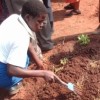
AGRICULTURE-SWAZILAND: Young Farmers Improving Food Security
When her friends go out to play with skipping rope during break, 12 year old Noncedo Masina takes her watering can and goes to work on her plot at the school vegetable garden.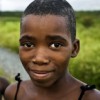
RIGHTS: Swazi Law And Custom Under Pressure
When the women's movement in the southern African kingdom of Swaziland took to the streets in August to challenge what they called extravagance by the royal family, Swazi traditionalists were livid.RIGHTS-SWAZILAND: Women Challenge King Mswati
Hard on the heels of the signing of the Gender Protocol at the Southern African Development Community (SADC) heads of state summit, Swazi women have challenged King Mswati III on the monarchy's lavish lifestyle in the face of abject poverty and disease.« Previous Page





The Week with IPS

NEXT STOP - SDGs
Tracking global progress towards a sustainable world
Tracking global progress towards a sustainable world
