Languages
Saturday, October 24, 2026



News and Views from the Global South
ARGENTINA: Gearing Up for the Presidential Race
The government's poor showing in Argentina's mid-term congressional elections Sunday has cleared the way for would-be successors to President Cristina Fernández in the 2011 presidential elections. Experts say that, at present, no potential rival has a clear lead.ARGENTINA: Experts Put H1N1 Flu Outbreak in Perspective
Doctors at the forefront of the battle against the H1N1 influenza virus in Argentina point out that the number of cases is far larger than the official figures reflect. But they also stress that the mortality rate, as a proportion of the much higher number of cases, is lower than people assume.
ARGENTINA: Huge Loan to Flow into ‘Open Sewer’ River
Local residents and environmentalists are eyeing with cautious optimism a major loan from the World Bank to the Argentine government to clean up the Matanza-Riachuelo river that runs through Buenos Aires - the country's most polluted waterway.
Million-Dollar Loan Flows Into Argentine River
The largest loan for environmental clean-up granted to a Latin American country could serve as a test of Argentina's will to recover the toxic Matanza-Riachuelo watershed.ENVIRONMENT-LATIN AMERICA: Green Parties Going It Alone
Fed up of waiting for existing parties to take up the cause of sustainable development and establish appropriate government policies to that end, environmental campaigners in Latin America have begun an increasingly high-profile battle for power in order to carry out their proposals themselves.
ARGENTINA: Out of the Frying Pan and Into the Engine
A town in Argentina has launched a programme that requires restaurants and other food producers to hand over their used vegetable oils to be distilled into biodiesel, which will be used to run the city's vehicles and public transportation.
Out of the Frying Pan and Into the Engine
The touristic city of Neochea, Argentina, is putting together a pioneering plan for the compulsory collection of used cooking oil from restaurants in order to produce biodiesel.ARGENTINA: Drumming Up Black Awareness
Argentina’s small black community, ignored by historical constructions that have traditionally focused on the influence of European immigration, is now fighting for recognition of its contribution to culture in the Argentine capital.LATIN AMERICA: “Sexuality Is an Essential Part of Humanity”
In an effort to promote the free enjoyment of human sexuality, separate from reproduction, the International Planned Parenthood Federation (IPPF) launched the world's first declaration of sexual rights in the Argentine capital on Wednesday.ARGENTINA: Trout – Fishers’ Delight – Threaten Biodiversity
Thousands of visitors are drawn every year to Argentina’s southern Patagonia wilderness region to fish in glacial lakes and crystal clear streams and rivers. But the trout and salmon that they have come to find are not native species, and pose a threat to local biodiversity.ARGENTINA: Blogs – a Shortcut to Fame?
While many are still warning that the Internet will do away with reading, unknown writers in Argentina who have joined the global trend of blogging are winning prizes around the world and watching their online writings turn into books, plays and television screenplays.AGRICULTURE-ARGENTINA: Yearning for the Days of Plenty
Argentina’s grain harvest, which grew steadily over the last five years, fell by 30 percent this growing season due to the worst drought in a century, a reduction in the area sown, and meagre investment in technology to improve yields.ARGENTINA: Tobacco Treaty Unratified, Six Years On
Six years after signing the global World Health Organisation Framework Convention on Tobacco Control, Argentina is the only Latin American country that has not ratified it, for fear of losing tens of thousands of rural jobs in seven provinces.
ARGENTINA: Hundreds of Thousands of Teenage Girls "in Limbo"
Cintia, 17, already has three children and is trying to go back to school, which she dropped out of several times because of the births and when her kids were sick. But the principal of her high school is not optimistic.MAY DAY-ARGENTINA: ‘My Mom Is a Taxi Driver’
A new collection of children’s books in Argentina shows women in jobs and professions that are traditionally held by men, challenging sexist preconceptions.HEALTH-ARGENTINA: Half of Children at Risk for Lack of Clean Water
More than half of all children in Argentina are at risk of illness because of lack of access to clean, running water, while a large proportion are also threatened by polluting industries and the use of pesticides in agriculture, according to a study by the ombudsman’s office.
HEALTH-LATIN AMERICA: Dengue Spreading and Increasingly Lethal
The population's susceptibility to suffering more severe forms of dengue is worrying health experts, as the epidemic in South America expands in Argentina, Bolivia, Brazil and Paraguay.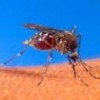
Dengue Spreading and Increasingly Lethal
The mosquito-borne disease dengue is becoming more virulent and lethal in South America.HEALTH-ARGENTINA: Scientists Reveal Effects of Glyphosate
Glyphosate, the herbicide used on soybeans in Argentina, causes malformations in amphibian embryos, say scientists here who revealed the findings of a study that has not yet been published.ENVIRONMENT-ANTARCTICA: Another Ice Shelf Falls Away
Accelerated warming in the Antarctic Peninsula has caused the loss of over 85 percent of the ice shelves surrounding the northern half of the peninsula in the last 20 years, experts say.ARGENTINA: In the Shadows of Mentally Disabled Siblings
"He’s the favourite. I always have to let him play," complains a boy with a mentally disabled brother. "Will she have to come live with me?" is a common worry among siblings of the disabled.« Previous Page — Next Page »





The Week with IPS

NEXT STOP - SDGs
Tracking global progress towards a sustainable world
Tracking global progress towards a sustainable world
