Languages
Wednesday, October 7, 2026



News and Views from the Global South
BURMA: UN Gambles With Junta – Forgets History
United Nations Secretary-General Ban Ki-moon is optimistic that his four-day mission to military-ruled Burma has produced a breakthrough. But the troubled history of relations between the world body and the South-east Asian nation offers a warning against high expectations.BURMA: Did Cyclone Nargis Kill 300,000 People?
Three weeks after Cyclone Nargis crashed through Burma’s populous Irrawaddy Delta, the country’s military regime has been more forthcoming about the number of buffaloes and chickens that perished than on human casualties.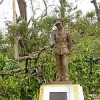
ENVIRONMENT-BURMA: 'Mangrove Loss Exacerbated Cyclone Devastation'
When researchers surveyed the battered coastlines of Asian countries after the December 2004 tsunami, they stumbled upon an arresting fact - that mangroves can save lives.BURMA: Public Health Ailing Even Before Cyclone Struck
Even before Cyclone Nargis tore through Burma’s populous Irrawaddy Delta, the country’s public health system was ailing. It struggled to survive on a slow drip of funds from the state’s coffers.
BURMA: Foreigners, Cameras Banned in Cyclone-Hit Areas
Images of the dead keep trickling out of Burma. The most moving are those of children who died when Cyclone Nargis tore through their world in the populous Irrawaddy delta.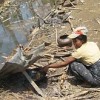
BURMA: 'Junta Aid Blocks Could Multiply Cyclone Toll'
Burma’s military regime may soon face charges of allowing tens of thousands of its own people to die through incompetence and bureaucratic red-tape placed in the way of international relief efforts for over one million cyclone victims in the country.DEVELOPMENT: NGOs Pressure AsDB to Strengthen Safeguards
Behind-the-scenes lobbying by non-governmental organisations (NGOs) paid off by the end of the annual meeting of the Asian Development Bank (AsDB) concluding here Tuesday. Leading financial officials from a host of European countries came out in favour of the strong "safeguard policies" that activists are championing.DEVELOPMENT: AsDB Soliciting Private Investments
When he was not attending seminars at a conference centre in the Spanish capital, the Asian Development Bank’s (AsDB) Seethapathy Chander was trying to broker deals to attract European investors to developing regions of Asia.DEVELOPMENT: Food Crisis Rises To Forefront At AsDB Sessions
Three words - high food prices - emerged like a gatecrasher at an event hosted by the Asian Development Bank (AsDB) here that was originally billed as a celebration of the bank’s new vision for poverty eradication in Asia.DEVELOPMENT: NGOs Welcome At AsDB Meeting
An Indonesian woman in her early fifties flew into this city to share a tale about "Three people and a goat". Her audience were heavyweights from the Asian Development Bank (AsDB), the Manila-based financial institution holding its 41st annual governors’ meeting in the Spanish capital from May 3 to 6.BURMA: US Oil Major Complicit in Abuses – Rights Lobby
An environmental group is warning U.S. energy giant Chevron to clean up its act in Burma or face legal proceedings where the multinational’s links to gross human rights violations in the military-ruled country could be exposed.ASIA: Food Crisis Adds to Women’s Burden
As if the burdens they shoulder are not enough, Asia’s women are being compelled to bear the additional weight of rising food prices, say women’s rights activists from across the region.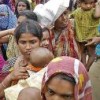
ASIA: 'Neglect of Farming Led to Rice Crisis'
The headlines screaming about a global food shortage have not aroused surprise in a leading non-governmental organisation (NGO) working with farming communities across Asia. To its members, warnings of hunger on a biblical scale are hardly news.BURMA: Plans Readied to Rig Constitution Referendum
A rising star within the ranks of Burma’s military regime is reported to have unveiled a plan to ensure the junta gets its way at the May referendum for a new constitution, according to information revealed to IPS.NORTH KOREA: Facing a Famine
North Korea’s desperate need to feed its citizens has prompted a United Nations agency to warn of a ‘’humanitarian crisis’’ looming up in the months ahead.RIGHTS-BURMA: New Constitution Gives Impunity to Military
Burma’s military regime is coming under fire for the language in a new constitution to be approved at a national referendum on May 10. The full text of the charter was made public only a month ahead of the plebiscite.THAILAND: Suffocation of 54 Burmese Workers – No Surprise
The death by suffocation of 54 Burmese migrant workers, while being transported in an enclosed container truck in southern Thailand, was a tragedy waiting to happen say labour rights activists.POLITICS-THAILAND: Constitution Changes On The Cards
Thailand’s eight-month-old constitution is at the centre of a growing political storm, heightening the prospect of public outrage and even anger on the streets in the months to come.CLIMATE CHANGE: Developing Countries Gain a Step
Negotiators from the developing world won a significant first round at talks here to shape a new pact to curb global warming. Key among them was the backing to make green-friendly technology and financial assistance priority in a programme leading to the pact to be endorsed in 2009.CLIMATE CHANGE: Wanted – Homes For Small Island People
A rapidly warming planet may soon create a new class of refugees - those fleeing climate change in their homelands.CLIMATE CHANGE: Kyoto Protocol Targets Stressed at UN Meet
Negotiators from the developing world took on the world’s richer nations as the first round of talks began here for a new pact to curb global warming. The fate of the Earth’s future lies in the actions of the industrialised world, they say.« Previous Page — Next Page »





The Week with IPS

NEXT STOP - SDGs
Tracking global progress towards a sustainable world
Tracking global progress towards a sustainable world
