Languages
Saturday, October 24, 2026



News and Views from the Global South
THAILAND: Gov’t Toughens Stance on Protests after Crackdown
The prospect of peace returning to Bangkok’s streets following a bloody crackdown over the weekend remains elusive as the Thai government toughens its stance to go after a mass protest movement, including the arrest of its leaders.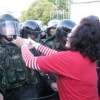
THAILAND: Bloody Crackdown Exposes Battle Lines in Class War
The morning after the Thai troops’ bloody crackdown on anti-government protesters here, the mood among them remained as it was after the guns had gone silent only hours before. The red shirts, called such because of their signature protest colour, appeared defiant, edgy and, in some cases, victorious.BURMA: In Opting for Poll Boycott, Suu Kyi’s Party Goes for Broke
If Burma’s military regime goes ahead with its promised general election this year, some 27.2 million voters will be deprived of the chance to cast a ballot for the political party that has come to symbolise democratic hope in that oppressed nation.POLITICS-THAILAND: Peace Talks Echo Spirit of Non-violence
Thailand’s culture of non-violence got a shot in the arm on Monday, after Prime Minister Abhisit Vejjajiva ended a second round of nationally televised peace talks with leaders of the anti-government movement that has been holding protests for over two weeks now.BURMA: To Contest or Not? Suu Kyi’s Party Faces Tough Elections Test
Is pro-democracy icon Aung San Suu Kyi condemning the opposition party that she heads in military-ruled Burma to political irrelevance or, worse still, a burial ahead of forthcoming elections?LAOS: Doubts Hound World Bank-backed Dam as Its Turbines Start Up
It has been just over a week since the turbines came to life at Laos’ largest hydropower project, but questions are already dogging this World Bank showpiece that marks the financial institution's return to the business of big dams.
POLITICS-THAILAND: Bangkok Protesters Tap Rural Protest Strategy
Once a stronghold of Thailand’s banned communist party, this north-east rural outpost has been drawing a different kind of people railing against the political order set in the capital Bangkok.ENVIRONMENT: Blame on Chinese Dams Rise as Mekong River Dries Up
As the water level in the Mekong River dips to a record 50-year low, a familiar pattern of fault-finding has risen to the surface. China, the regional giant through which parts of South-east Asia’s largest waterway flows through, is again at the receiving end of verbal salvoes from its neighbours.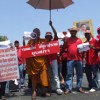
THAILAND: With Blood Spilt, Political Wounds Far from Healed
A nearly four-kilometre arc of road that cuts through the historic part of the Thai capital, the site of the largest anti-government protests the country has seen in years, has brought into sharp relief a political wound that is far from being healed in this kingdom.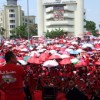
THAILAND: In Convoys of Red, Rural Masses Stage Historic Protest
An unprecedented show of force by men and women from Thailand’s rural hinterland was on display over the weekend as they poured into Bangkok in the tens of thousands to stake a claim on having a voice in shaping this South-east Asian kingdom’s national agenda.BURMA: Despite Loss at Oscars, Film A Testament to Courage
It may have not won an Oscar, but its having been a final contender for the prestigious statue at the U.S. Academy Awards on Mar. 7 has taken ‘Burma VJ’ to heights never achieved by previous films depicting the oppression and courage in military-ruled Burma.CAMBODIA: Rape Victims Need Better Protection from New Penal Code
Cambodia’s new penal code, which comes into force later this year, should be accompanied by stronger law enforcement measures if the country’s women and girls are to be better protected from rape, says the global rights lobby Amnesty International (AI).THAILAND: Migrant Worker Law Hits Hurdle as 500,000 ‘Disappear’
Thailand’s labour ministry is on the hunt for half a million migrant workers from neighbouring Burma who have gone underground rather than join a new foreign workers’ programme, one that some critics have described as a "confusing" initiative.BURMA: Amid Threats, Women Dissidents Stick to Political Beliefs
While Aung San Suu Kyi remains the most widely-known woman suppressed for her political views in Burma, the jails in that military-ruled country continue to be filled by lesser-known women dissidents being held on a range of questionable charges.THAILAND: Rural Protesters Prepare to Paint Bangkok Red
As a former bureaucrat, Sakda Orphong cuts an unlikely figure as someone who is busy fomenting a grassroots protest movement to confront Thailand’s current government.POLITICS-BURMA: Conflict Pushes Karen Women to be Village Chiefs
In military-ruled Burma’s Karen state, tradition and a male-dominated social order have long guaranteed men the role of village chiefs. But this order is crumbling in the country’s eastern region, giving rise to the new phenomenon of women village chiefs.THAILAND: Thaksin Verdict Leaves Judiciary’s Stamp on Politics
Even as they were prepared for the worst, supporters of ousted former Thai prime minister Thaksin Shinawatra conducted an eleventh-hour ritual in his home province this week, hoping for a miracle in Friday’s court verdict on the fate of his seized assets.
Q&A: ‘Our Movement is Unique for Women from Burma’
Women who fled conflict and oppression in military-ruled Burma have become a potent political force during their lives in exile, says a leading women’s rights activist from the South-east Asian country’s Shan ethnic minority.
THAILAND: Community Radio Stirs Political Passions in Villages
In an age when television continues to dominate national media, including Thailand’s, and gives birth to new celebrities, Kwanchai Praipana is a bit of an anomaly. His rise as a local star in this north-eastern city has been through community radio, the poor cousin of the local media.THAILAND: Temple Grounds A Venue for Curbing Domestic Violence
When the conversation here shifts to domestic violence, even the way a woman got pregnant becomes an issue of concern, particularly if the price for bearing a child means getting infected with HIV.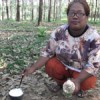
THAILAND: Women with HIV Break Silence, Confront Stigma
Veena Panudej makes a living in the night like so many other women and men in this quiet eastern corner of Thailand. They work under the light of the stars in rubber estates spread beyond this city close to the Cambodian border.« Previous Page — Next Page »





The Week with IPS

NEXT STOP - SDGs
Tracking global progress towards a sustainable world
Tracking global progress towards a sustainable world
