Languages
Wednesday, October 7, 2026



News and Views from the Global South
Humanitarian Groups Face Challenges in Reaching the Sudanese Displaced Population
In the final quarter of 2024 ,there has been an escalation in the Sudanese civil war, with armed clashes between the Rapid Support Forces (RSF) and the Sudanese Armed Forces (SAF) having grown in brutality. Heightened insecurity has pushed millions of people into displacement, hunger, and poverty. Additionally, the continued hostilities have made it difficult for humanitarian organizations to scale their responses up.
Social Media in the Global South Needs More Protections
In the western world, numerous studies over the past two decades have shown that the rise of social media in popularity has been linked to negative mental health symptoms, especially among young people. Platforms such as Instagram, Facebook, X (formerly known as Twitter), and TikTok have been criticized for fostering competitive and toxic environments, which contribute to higher rates of anxiety, cyber-bullying, depression, disordered eating, and low self-esteem. While the use of social media in the Global South has skyrocketed in the late 2010s, the ramifications on people in those regions has received much less coverage in mainstream media.
A Full Implementation of the Israel-Hamas Ceasefire is Uncertain
On January 19, Israel and Hamas implemented a ceasefire agreement that would end the fighting in Israel and Palestine, see the return of hostages and prisoners, and begin a period of recovery and reconstruction for Palestine. Although the past several weeks have seen a relatively smooth transition and a cessation of hostilities, the prospect of a long-term implementation of the ceasefire remains fragile and there is significant risk of a return to warfare and heightened instability across the Middle East. With the humanitarian situation in Gaza improving for the first time in 16 months, it is imperative that the ceasefire remains in effect.
Sexual Violence and Displacement: Disproportionate Threats to Children in Haiti
As ongoing gang violence and unrest bring down the living conditions in Haiti, humanitarian groups sound the alarm on human rights violations and the increasing challenges they dace in providing relief efforts.
WFP, FAO Warn of the Severity of the Climate Crisis and Food Insecurity
Over the past few years, climate shocks have become more frequent and have devastated economies and agriculture systems, exacerbating widespread malnutrition and hunger. It has become increasingly apparent that the utilization of sustainable agriculture practices and disaster risk management systems are crucial to fulfill growing needs as natural resources continue to dwindle.
Haitian Government Faces Criticism for its Response to Gang Attack in Kenscoff
The humanitarian situation in Haiti continues to deteriorate as armed gangs expand their control in Port-Au-Prince and escalate acts of violence throughout the nation. Due to heightened insecurity, civilian displacement has reached new peaks, with hunger, disease, and the economic crisis having grown worse. With access to basic services diminished, approximately 5.5 million Haitians are dependent on humanitarian aid for survival. However, relief efforts have been severely hampered due to safety risks, restricted mobility and the vast scale of needs.
Afghanistan’s Humanitarian Crisis Expected to Worsen in 2025
The humanitarian crisis in Afghanistan has deteriorated significantly since the 2021 Taliban Offensive, an insurgency that resulted in the Taliban’s reclamation of power and the fall of the nation’s republic. In 2024, the Taliban issued further restrictions on human rights in Afghanistan, particularly for women and girls. These restrictions caused the country to enter a state of economic emergency. This, compounded with heightened insecurity and limited access to basic services, has left over 23 million people in dire need of humanitarian assistance.
Israel’s Ban on UNRWA Threatens to Undermine Ceasefire in Palestine
On January 19, Israel and Hamas implemented a three-phase ceasefire agreement that seeks to end the war between Israel and Palestine, facilitate the exchange of prisoners and hostages between the two nations, and begin a period of reconstruction in the Gaza Strip. Since the ceasefire took effect, humanitarian organizations have struggled to assist hordes of displaced Palestinians as they made their treacherous returns back home. Insecurity has reached new peaks as Gazans struggle to cope with inadequate levels of humanitarian aid and the dangers of unexploded ordnance. Furthermore, the Israeli Knesset’s ban on the United Nations Relief and Works Agency for Palestinian Refugees (UNRWA) is set to greatly exacerbate living conditions and access to aid.
Antisemitism On The Rise Among Younger Generations
The United Nations (UN) held the annual Holocaust Memorial Ceremony on January 27 with the theme "Holocaust Remembrance for Dignity and Human Rights". This year - 2025 - marks the 80 year anniversary of the end of World War II and the liberation of Nazi concentration camps that resulted in the deaths of over 6 million Jews. This event included testimonies from Holocaust survivors, underscoring the importance of understanding and remembrance. With Holocaust denial and attacks on Jews on the rise, it is important to take meaningful steps as a society to combat racism and antisemitism.
Living Conditions in Syria Deteriorate During Transitional Period
Thirteen years of extended conflict, economic downturns, and multiple earthquakes, has left Syria in the midst of a severe humanitarian crisis. Hostilities remain abundant across all of Syria’s governorates, with each facing widespread civilian displacements and damage to critical infrastructures. Following the change of government in December of 2024, Syrian refugees have begun returning from neighbouring countries. However, this return has been marred with insecurity due to the sheer scale of unexploded ordnance, which has resulted in numerous civilian casualties.
The First Phase of Israel-Palestine Ceasefire Begins
On January 15, 2025, the long-awaited ceasefire proposal between Israel and Hamas was approved, bringing the first bout of relief for the people of the Gaza Strip after 15 months of conflict. This has allowed for the exchange of prisoners and hostages between the two nations as well as a greater flow of humanitarian aid to be directed to Gaza. Although this only accounts for the first phase out of the three phase plan, it is uncertain if Israel will continue to uphold the negotiations of a truce after the first phase is completed.
Israel and Palestine Secure Ceasefire Agreement After 15 Months of Conflict
A ceasefire agreement between the states of Israel and Palestine was reached on 15 January, 2025 , effectively putting an end to hostilities in the Gaza Strip. This comes after nearly 15 months of conflict, which has caused immense damage to Palestinian infrastructure, development, and civilian life. The three-phase plan proposed for the ceasefire agreement consists of the return of Israeli hostages, Palestinian refugees returning home, and the reconstruction of Gaza. Additionally, the ceasefire is expected to essentially put an end to the Israel-Hamas War and significantly mitigate the humanitarian crisis occurring in the Gaza Strip.
2024 Marked An Escalation in Brutality for Haiti’s Gang War
2024 was a transitional period in Haiti’s history, marked by rampant political instability, brutal gang violence, and widespread civilian displacement. Since the eruption of hostilities in March 2024, the Caribbean nation has been in a state of emergency. In response, the United Nations (UN) Security Council approved The Multinational Security Support (MSS) Mission in Haiti to assist the Haitian government in deposing gang activity and restoring order. However, the support mission has been largely ineffective as gangs continue to seize more areas in Haiti.
Geopolitical Uncertainties Cloud World Economic Prospects, UN Report Says
In the past few years, the world economy has made significant strides in mitigating inflation, unemployment, and poverty. Despite this, global growth has yet to regain its pace from before the pandemic.
Sudan’s Humanitarian Crisis Expected to Worsen in 2025
As the Civil War rages on in Sudan, the nationwide humanitarian crisis continues to worsen. Armed conflict has caused an escalation in civilian casualties and displacement in the past few months. Additionally, famine looms in the nation’s most conflict-impacted areas, which is exacerbated by tightened restrictions that impede humanitarian aid deliveries. Despite numerous calls for a cessation of hostilities by the international community, relief efforts are severely underfunded.
Water Deprivation Looms in Gaza
As talks of a ceasefire between Israel and Palestine intensify, bombardments in Gaza continue, raising the number of civilian casualties and internal displacements. A December 19 report from Human Rights Watch (HRW) condemned Israeli authorities for committing acts of genocide upon the people in the Gaza Strip, including the deprivation of water and the destruction of critical water sanitation infrastructures.
2024 Is The Hottest Year Ever Recorded
The World Meteorological Organization (WMO) warns that 2024 is on track to be the hottest year in recorded history, surpassing 2023. This can be attributed to heightened reliance on fossil fuels and the reluctance of industries worldwide to pivot to green energy practices. The rapid acceleration of global temperatures has alarmed scientists, with many expressing concern over the environmental, economic, and social implications of the worsening climate crisis.
What Does the End of Assad’s Regime Mean for Syria and the Middle East?
The fall of Syrian President Bashar al-Assad came about following a series of coordinated offensive missions spearheaded by the Syrian opposition which resulted in the seizure of the capital city Damascus. In the days following the fall of Assad’s government, the Syrian Civil War has reached a phase of heightened insecurity, plunging Syria into a state of nationwide insecurity.
Israel Continues to Attack Gaza Amid Ceasefire Negotiations
After 14 months of conflict between Israel and Palestine, talks of a ceasefire agreement have headed in a promising direction. The proposed agreement entails the release of hostages in Gaza, the withdrawal of Israeli troops from Palestinian land, and a strategy for displaced Gazans to safely return to their homes in the northern region of the enclave. Despite both Israeli and Palestinian officials expressing optimism over this agreement, hostilities from the Israeli Defense Forces (IDF) continue to endanger the lives and infrastructures of thousands of Gazans.
Escalation of Violence in Sudan Raises Concern of Nationwide Collapse
On December 9, a wave of bombardments hit a market district in Sudan, killing at least 127 people. Over eight barrel bombs were launched on the North Darfur town Kabkabiya, marking the latest attacks on densely populated areas that occurred throughout the course of the Sudanese Civil War. Both the Rapid Support Forces (RSF) and the Sudanese Armed Forces (SAF) have received immense criticism from humanitarian organizations for committing abuses against civilians that constitute violations of international humanitarian law.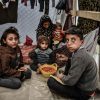
FAO Renews Its Commitment to Right to Food Guidelines
The Food and Agriculture Organization (FAO) launched its newest report on the Right to Food Guidelines on December 10, which focuses on that focused on the urgency of food security as well as the measures that will be taken by the organization to eradicate hunger and malnutrition in the coming decade.« Previous Page — Next Page »





The Week with IPS

NEXT STOP - SDGs
Tracking global progress towards a sustainable world
Tracking global progress towards a sustainable world
