Languages
Thursday, October 8, 2026



News and Views from the Global South
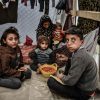
FAO Renews Its Commitment to Right to Food Guidelines
The Food and Agriculture Organization (FAO) launched its newest report on the Right to Food Guidelines on December 10, which focuses on that focused on the urgency of food security as well as the measures that will be taken by the organization to eradicate hunger and malnutrition in the coming decade.
Heightened Insecurity in Sudan Threatens Nationwide Collapse
As the Sudanese Civil War continues to ravage the people of Sudan, conditions for internally displaced persons grow more dire every day. The situation in Sudan is currently the biggest displacement crisis in the world. Famine, violence, and gender-based violence are rampant. Described as “an invisible crisis” by the United Nations (UN) new emergency relief chief, Tom Fletcher, many believe that the humanitarian response has been largely ineffective in tackling the urgent and growing scale of needs.
Israel-Lebanon Ceasefire Uncertain Amid Repeated Violations
On November 27, Israel, Lebanon, and a host of mediating states agreed upon a ceasefire agreement that would establish a permanent cessation of warfare between the two parties. As of December 3, there have been no reported instances of Hezbollah directing attacks toward Israel that resulted in any casualties. Despite this, there have been numerous reported violations committed by Israel, causing extensive harm to civilian lives and local infrastructure. Many parties have warned for the international community to hold Israel accountable for these violations.
UN ECOSOC Special Meeting Highlights the Urgent Scale of Needs in Haiti
As a result of the ongoing hostilities from gang violence in Haiti, children continue to bear the brunt of the humanitarian crisis. Armed gangs have committed various human rights violations, many of which compound issues surrounding food insecurity, displacement, and social instability for millions of children in Haiti. Children have also lost their access to education and continue to be recruited into gangs. It is crucial for the international community to prioritize the multifaceted crisis facing Haitian children in order to avoid losing an entire generation to violence.
What Does The Ceasefire in Lebanon Entail For Gaza?
On November 27, a ceasefire agreement was agreed upon by officials for Israel, Lebanon, and a host of other mediating parties, including the United States. Yet even with this step towards peace, conflict and suffering continue in Gaza, raising questions of when – or how – a similar outcome can be achieved.
Famine and Violence Raise Death Toll in Sudan
The humanitarian crisis in Sudan continues to deepen as a result of the ongoing Sudanese Civil War. Intensified conflict between the Sudanese Armed Forces (SAF) and the Rapid Support Forces (RSF) has led to widespread food insecurity, with many humanitarian organizations expressing concern that starvation is being used as a method of warfare. Additionally, heightened violence has caused considerable civilian casualties.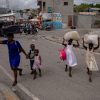
Humanitarian Situation in Haiti Deteriorates as Gender-Based Violence Soars
As gangs continuously seize more territory in the Haitian capital, Port-Au-Prince, the humanitarian crisis deepens. Gang violence in Haiti has considerably escalated following the deployment of the Multinational Security Support (MSS) mission and the appointment of the new Prime Minister, Alix Didier Fils-Aimé. Attacks on civilians continue to increase in brutality as the severely underfunded MSS mission and lackluster police efforts do little to combat gang activity. Girls and women have been disproportionately affected by rampant gender-based violence.
Blockages of Aid in Gaza Threatens Survival for 2.2 Million
Following the International Criminal Court’s (ICC) indictment of Israeli Prime Minister Benjamin Netanyahu for deliberate war crimes committed on the people of Gaza, there has been a considerable surge in hostilities, mostly concentrated in the enclave’s northern regions. The humanitarian crisis is expected to deteriorate as the availability of essential resources, such as water, food, fuel, and electricity has significantly dwindled over the past few weeks due to sustained blockages by Israeli authorities. Additionally, levels of civilian casualties and displacements have reached new peaks.
Sudan Ravaged By Disease, Famine, and War
As living conditions in Sudan deteriorate as a result of the Sudanese Civil War, levels of famine and violations of international humanitarian law continue to accelerate among the roughly 11.5 million displaced persons. Conflict between the Rapid Support Forces (RSF) and the Sudanese Armed Forces (SAF) have severely hampered aid efforts, leaving millions of civilians to deal with widespread disease and an overall lack of essential resources.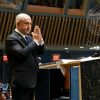
International Criminal Court Issues Arrest Warrant for Netanyahu
On November 21, the International Criminal Court issued arrest warrants for Israeli Prime Minister Benjamin Netanyahu, as well as the former defense minister Yoav Gallant. In a statement released by the ICC, both Netanyahu and Gallant are wanted for crimes against humanity and war crimes that spanned from at earliest October 8 2023 through May 20 2024. This coincides with Israel’s respective wars with Lebanon and Palestine, for which there have been extensive damage on civilian infrastructure, thousands of civilian casualties, and repeated blockages of humanitarian aid.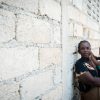
Doctors Without Borders Halts Operations in Haiti Amid Threats from
Doctors Without Borders, the medical humanitarian organization, which has served in Haiti for over 30 years, announced on Wednesday that it would suspend its activities in Port-au-Prince, Haiti’s capital amid repeated threats from local law enforcement. This announcement indicates the precariousness of the situation in Haiti where humanitarian groups on the ground face security issues from even members of law enforcement.
Contingent Mission in Haiti Exacerbates Gang Offensives
Over the past week, the deployment of the Multinational Security Support Mission (MSS) in Haiti and extended efforts by the Haitian National Police has led to local gangs ramping up their offensives in order to hold onto their territories. Humanitarian organizations fear that displacement will skyrocket without more efficient security controls and relief responses.
Human Rights Watch Condemns Israel’s “Deliberate” Military Offensives in Gaza
A new report from Human Rights Watch (HRW) postulates that Israeli military practices in the Gaza Strip constitutes as war crimes. Released on November 14, the new report details the scale of destruction in the Gaza Strip over a 13-month period, during which time the Israeli Defense Forces’ (IDF) undertook a campaign to enact “deliberate, controlled demolitions of homes and civilian infrastructure” that were conducted to drive millions of Gazans out of their homes and inflict as much damage as possible.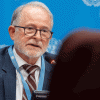
Human Rights Violations Against Women Rises in Afghanistan, While Taliban Enjoy Impunity
It has been three years since the 2021 Taliban offensive and the humanitarian crisis in Afghanistan continues to grow more dire. Human rights violations are committed by the Taliban insurgent group on a frequent basis, with gender-based discrimination and violence being regular occurrences for millions of Afghan women. Gender inequalities are pervasive, with freedom of speech and mobility being significantly limited. The humanitarian crisis is exacerbated by widespread impunity enjoyed by members of the Taliban.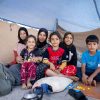
Bombardments in Lebanon Threaten Civilian Safety, Destroy UNESCO Cultural Heritage Sites
As winter approaches, the ongoing airstrikes and bombardments on Lebanon has threatened the lives and livelihoods of civilians across the country and neighboring regions, which has resulted in skyrocketing death tolls and levels of displacement. Since hostilities escalated in September, Lebanon has seen the destruction of a significant amount of critical infrastructure, including historical sites that are integral to Lebanese history.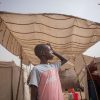
Sudan Faces Esclations in Famine, Humanitarian Law Violations
After 19 months of conflict, the ongoing Sudanese Civil War continues to deteriorate living conditions for millions of Sudanese people. Intensive conflicts between the Rapid Support Forces (RSF) and the Sudanese Armed Forces (SAF) have greatly exacerbated nationwide levels of famine. Numerous civilians have been caught in the crossfire, leading to a rising death toll. Sexual violence and rape have been used as weapons of war, with thousands of cases going unreported due to a pervasive state of fear. Sudan has seen record numbers in displacement, becoming one of the biggest displacement crises in the world.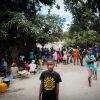
Haiti’s Transition of Power Predicted to Worsen Gang Violence
Gang violence has ravaged Haiti, causing thousands of civilian deaths, displacements, and violations of international humanitarian law. Turmoil is expected to escalate following the removal of Haitian Prime Minister Garry Conille from office on November 11.
Growing Death and Displacement Devastate Lebanon
The ongoing, escalating violence in Lebanon forces millions of Lebanese civilians to face daily bombardment, repeated orders of evacuation, routine destruction of critical infrastructure, and limited access to basic services. With the death toll and rates of displacement on the rise, humanitarian organizations fear that the upcoming winter season is expected to exacerbate these harsh conditions, making Lebanon almost uninhabitable.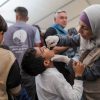
Polio Vaccination Campaign in Gaza Misses Thousands of Children
On November 6, the World Health Organization (WHO) announced that the second round of polio vaccinations in the Gaza Strip has been completed. A total of 556,744 children under ten years of age received the mOPV2 vaccine along with a dose of vitamin A to ensure immunization. However, due to rampant hostilities from the Israeli Defense Forces (IDF), the campaign has not been entirely successful, leading to humanitarian organizations fearing that herd immunity has not been achieved.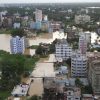
Cities Will Be Hit Hardest By Climate Change, UN Report Warns
Cities are in a unique position, simultaneously the biggest emitters of greenhouse gasses and the most affected areas of the greenhouse effect. As a new UN report shows that rapid urbanization and industrialization have adverse effects on the environment, causing a rise in sea levels, prolonged rainfalls and flooding, and an increase in overall temperature. The coastal areas that cities most often inhabit face the brunt of these effects, with marginalized populations being the most vulnerable.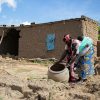
Armed Violence and Floods Aggravate Humanitarian Crisis in Chad
Chad is currently in the midst of a dire humanitarian crisis due to persisting armed conflict, mass displacement, widespread hunger, natural disasters, and an overall lack of essential services. Due to security challenges from the Boko Haram militant group, millions of Chadians have faced decreased mobility as well as human rights violations including imprisonment, beatings, kidnappings, and killings.« Previous Page — Next Page »





The Week with IPS

NEXT STOP - SDGs
Tracking global progress towards a sustainable world
Tracking global progress towards a sustainable world
