Languages
Saturday, October 10, 2026



News and Views from the Global South
Armed Violence and Floods Aggravate Humanitarian Crisis in Chad
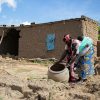
Chad is currently in the midst of a dire humanitarian crisis due to persisting armed conflict, mass displacement, widespread hunger, natural disasters, and an overall lack of essential services. Due to security challenges from the Boko Haram militant group, millions of Chadians have faced decreased mobility as well as human rights violations including imprisonment, beatings, kidnappings, and killings.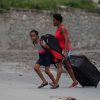
Conditions Deteriorate from Persisting Gang Violence in Haiti
Due to worsening political instability, escalating gang violence, and a lack of basic services, Haiti is in the midst of one of the most severe humanitarian crises in the world. According to a 2024 ACAPS report, gangs have seized 85 percent of the nation’s capital, Port-Au-Prince, resulting in over 700,000 displaced persons.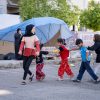
Death Toll in Lebanon Rising From Israeli Bombardment
The eastern region of Baalbek, Lebanon was believed to be a “safe zone” for residents, and refugees who had been displaced by the increased hostilities across the country. That changed on October 29, when an Israeli airstrike on the region resulted in over sixty casualties, including two children.
Israel’s Ban on UNRWA Threatens the Stability of Palestine
On October 28, the Israeli parliament voted to ban activity from the United Nations Relief and Works Agency for Palestinian Refugees in the Near East (UNRWA) in Israel. Two bills were passed by the Knesset, Israel’s house of representatives, one that barred all UNRWA efforts, and another that prevents interactions between Israeli authorities and UNRWA personnel. The implications of this amendment are expected to exacerbate dire conditions for millions of Palestinians who were already in the midst of a severe humanitarian crisis.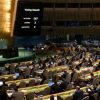
Hurricane Oscar Threatens Humanitarian Crisis in Cuba
Although classified as a compact tropical cyclone and considered one of the smallest in the North Atlantic, Hurricane Oscar has caused considerable damage in eastern Cuba since it made landfall on October 20, 2024. Cuban authorities have confirmed that the death toll has risen to seven, in additional to the damage in infrastructure. Communications and relief efforts were greatly impeded by a nationwide power grid blackout, which continues on in much of Cuba at the time of publication.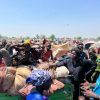
Sudanese Civil War Exacerbates Economies in Neighbouring Countries
Critical levels of nationwide hunger in Sudan has only increased to critical levels since the start of the Sudanese civil war in April 2023. Escalated hostilities between the Sudanese Armed Forces (SAF) and the Rapid Support Forces (RSF) have led to limited mobility and repeated blockages of humanitarian aid. This, coupled with the volatile floods and droughts, have decimated crop fields which has only exacerbated famine levels greatly. All of these factors have left nearly 25 million people in Sudan in need of humanitarian assistance in 2024.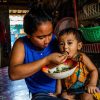
The Impact of Media Literacy for Meat Production
With the emergence of generative artificial intelligence (AI) and social media, the dissemination of public information moves at a faster speed than ever before. Social media platforms have become an integral tool for users of younger generations to access the news. Although this shift has led to public news being more accessible to younger users, it has also led to an overall decline in media literacy.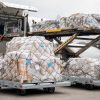
Israel Escalates Offensives on Lebanon
Attacks on Lebanon over the past two months, as instigated by the Israeli Defense Forces (IDF) have been increasingly indiscriminate. The Disaster Risk Management Unit at the Lebanese Council of Ministers confirmed that the death toll of Lebanese civilians has risen to over 2,530. Furthermore, Israel’s hostilities have led to casualties among United Nations (UN) personnel, which has been described as “violations of international law”.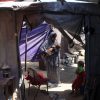
69 Years of Development in Gaza Erased by Israel-Hamas War
The second of the polio vaccination campaign in Gaza has yielded relative success, as so far more than 420,000 children have been vaccinated since the second round of immunizations began one week prior. This exception stands out as the uptick in airstrikes and sustained blockages of aid give humanitarian organizations cause for concern for the deterioration of Gaza, especially in the north.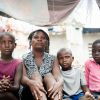
UN Announces Embargo on Arms in Haiti
On October 19, the United Nations (UN) Security Council unanimously voted to expand an arms embargo in an effort to combat the high levels of gang violence that plagues Haiti. Armed groups have taken control of the majority of Port-Au-Prince, the nation’s capital, leading to numerous clashes with the local police. Humanitarian organizations hope that this embargo will prevent Haitian gangs from accessing illicit weapons and munitions unchecked.
Aid Blockades Signal Trouble for Gaza Ahead of Winter
On October 15, the World Health Organization (WHO) announced the beginning of the second round of Gaza’s polio vaccination campaign. Over the last week, the Palestinian Ministry of Health, in partnership with WHO, the United Nations Children’s Fund (UNICEF), and the United Nations Relief and Works Agency for Palestine Refugees in the Near East (UNRWA), has managed to vaccinate over 181,000 children under the age of ten in Gaza.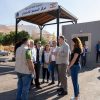
Attacks on Aid Personnel in Lebanon Impede Relief Efforts
In the midst of Israel’s ground incursion of southern Lebanon, frequent airstrikes have demolished civilian infrastructure, which is only contributing to the increasing rates of civilian casualties and displacement. Humanitarian organizations fear that conditions in Lebanon will soon resemble those of Gaza if a ceasefire isn’t reached soon.
Sustainable Food Production is Imperative for a Healthy Planet
Food waste has been a pressing concern for environmentalists and humanitarians for decades. The Food and Agriculture Organization (FAO) estimates that approximately one third of all global food products end up in landfills, equating to roughly 1.3 billion metric tons. Conversely, according to the Asia-Pacific Economic Cooperation (APEC), about 3 billion people lack access to nutritious or sufficient amounts of food that will sustain a healthy diet. Additionally, food waste has been a leading factor in environmental degradation since the start of the industrial revolution, with food in landfills releasing millions of metric tons of carbon emissions into the atmosphere yearly.
The Health of Gaza is Dependent on Humanitarian Pause
The next round of the polio vaccination campaign in Gaza, a major undertaking for health partners, began on October 14, as continuous attacks and strains whittle down the healthcare and humanitarian systems.
Continued Airstrikes Threaten Civilians and Aid Workers in Lebanon
As Israel continues its siege on the southern borders of Lebanon, concerns among humanitarian organizations grow as the frequency of attacks rise. Lebanon’s Ministry of Public Health reports that approximately 2,169 people have been killed and over 10,212 have been injured in the past year. Humanitarian Coordinator for Lebanon, Imran Riza, has described this conflict as one of the deadliest in recent memory.
Child Exploitation on the Internet Threatens the Next Generation
On October 11, the United Nations (UN) and its affiliated organizations hosted a conference discussing the increasingly dangerous and exploitative environment that plagues the internet and what can be done to protect children from being exposed to it. Speakers at this conference detailed the developing technologies that threaten children, such as Artificial Intelligence (AI), which often facilitates sexual abuse, exploitation, and human trafficking. In a world that is centered around digitization and innovation, it is crucial to keep the internet a safe space for the most vulnerable population, children.
Haitians Blame Government After Massacre in Pont-Sondé
Last week, on October 3, a violent gang attack on the residents in the central Haitian city Pont-Sondé resulted in 115 deaths and spread fear among communities. This attack was described as one of the deadliest massacres in recent history in Haiti. Pervasive gang violence threatens to destabilize Haiti as the environment grows more dangerous by the day.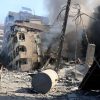
Death Toll Rises During Israel’s Siege in Lebanon
One week has passed since the beginning of Israel’s invasion of Lebanon. Over the past three weeks, Lebanon has seen a considerable uptick in hostilities from the Israeli armed forces. Routine bombardments have resulted in significant civilian casualties as well as the failure of several critical infrastructures. The United Nations warns that displacement continues to grow as shelters approach maximum capacity.
Continued Hostilities in Gaza Threaten the Second Round of Polio Vaccinations
Over the past two months, the polio epidemic in Gaza has slowly mitigated due to response efforts by the World Health Organization (WHO) and the United Nations (UN). The first round of the polio vaccination campaign has been largely successful, with around 506,000 children having been immunized. If the Israel authorities allow for further humanitarian pauses, the second round is expected to begin on October 14. However, health officials are concerned that this will be more difficult than expected due to the continuance of deadly attacks in the past few weeks.
Dominican Republic Orders the Expulsion of Thousands of Haitian Migrants
Over the past few months, the escalation of gang violence and mass displacement in Haiti have been of great concern for humanitarian organizations. Severe levels of armed violence have resulted in significant instability, with food insecurity, sexual violence, civilian casualities, and restricted freedom of movement plaguing the nation. Displacement cases have risen sharply, to the extent that the Dominican Republic has ordered the return of thousands of Haitian migrants.
Human Toll on Lebanon Under Threat of Israeli Invasion
On September 23, Israel began launching a barrage of airstrikes on Lebanon, targeting the Iran-backed militant group, Hezbollah. According to statements from the Israeli Defense Force (IDP), approximately 3,600 sites have been struck, making this the deadliest aerial campaign on Lebanon in the last 20 years.« Previous Page — Next Page »





The Week with IPS

NEXT STOP - SDGs
Tracking global progress towards a sustainable world
Tracking global progress towards a sustainable world
