Languages
Saturday, October 10, 2026



News and Views from the Global South
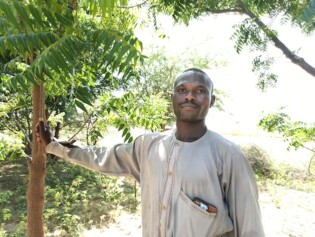
Ambitious Great Green Wall Shows Slow, Steady Progress in Strengthening Landscapes, Improving Livelihoods
In 2021, Gadeja Shehu and about a hundred farmers in Garbadu village, Zamfara State in northwestern Nigeria, were invited by officials of the National Agency for the Great Green Wall to plant trees across a large stretch of land in their community.
Nigeria’s Failing Road Transport System Leaves Commuters at the Mercy of Robbers
Abimbola David still remembers being robbed twice in taxis in Abuja, Nigeria’s capital. The most recent incident occurred in 2023 when the robbers, who pretended to be passengers, took her belongings while the car was moving.
Nigeria: Will Nnamdi Kanu’s Life Sentence End the Violent Agitation for Biafra?
On 20 November 2025, a Nigerian court in Abuja sentenced separatist leader Nnamdi Kanu to life imprisonment after finding him guilty of terrorism and several related offenses, bringing an end to a decade-long legal battle.
Trump’s Threat of ‘Military Action’ in Nigeria Stokes Religious Tensions
Diplomatic relations between Nigeria and the US have continued to sour after US President Donald Trump threatened 'military' intervention over what some American lawmakers have called “Christian genocide” in Africa’s most populous country.
Will COP30 Reenergize Nigeria’s Great Green Wall Project?
In 2017, 45-year-old Jabiru Muhammed could hardly contain his excitement when the village head of Batu in Jigawa State, northwestern Nigeria, announced that their community would work with officials from the National Agency for the Great Green Wall (NAGGW) to plant trees across a large stretch of land in the village.
The Ranch Fighting to Save Nigeria’s Endangered Drill Monkeys
For the past 23 years, Gabriel Oshie has started his mornings at Drill Ranch in the Afi Mountain Wildlife Sanctuary, Boki, Cross River state, southern Nigeria.
The Young Nigerian Innovator Lighting Up Communities With Recycled Solar Innovation
When Stanley Anigbogu heard his name announced as the 2025 Commonwealth Young Person of the Year in London earlier in March, he could hardly believe it. He had not expected to win, especially among a pool of brilliant nominees from across the globe.
Climate Justice Movement in Nigeria to Tackle Oil Polluters Launched
Greenpeace Africa earlier in May brought together over 40 Nigerian civil society groups in Abuja to launch the Climate Justice Movement, the first of its kind in the country. The goal is to unite various climate efforts nationwide and address the severe impacts of climate change on Nigeria and the African continent.
Young Africans Priced Out of Cities as Urban Housing Crisis Deepens
After graduating in 2019, Jeremiah Achimugu left Sokoto State in northwestern Nigeria for Abuja, the nation’s capital, in search of better opportunities. But life in the city brought unexpected challenges, especially the high cost of housing.
Epilepsy Patients in Africa Fight Stigma and Neglect
When Angela Asemota’s son began having seizures at six years old in 1996, people gossiped that he was possessed by evil spirits, leading her to seek healing from native healers and religious clerics. He underwent several traditional rituals and drank various concoctions, but the seizures persisted. It was not until his fourth year in secondary school in 2004 that she took him to a hospital, where he was diagnosed with epilepsy and began taking medication.
Malnutrition in Nigeria Rises Alarmingly, Urgent Action Needed
In June 2024, 26-year-old Zainab Abdul noticed her two-year-old daughter growing pale, losing weight, and battling diarrhea. She wasn’t surprised. Since jihadist-linked bandits had forced them out of their village in Kadadaba, Zamfara State, in northwestern Nigeria, her family had been living in a refugee camp with limited access to food.
Who Will Save Nigeria’s Coastal City on the Brink of Extinction?
In 2021, Ojajuni Olufunsho, a 53-year-old resident of Ayetoro, a town along the Atlantic coast, southwestern Nigeria, saw her home swept away by the encroaching sea. What was once a spacious 10-room house, a sanctuary for Olufunsho and her five children, was swallowed by the relentless force of rising sea waters.
Did Togo Reforms Entrench President Gnassingbé’s Power?
In May 2024, Togo's President Faure Gnassingbé signed a new constitution, transitioning the country from a presidential to a parliamentary system. Under this new framework, lawmakers are responsible for electing the president.
Nigeria: Why #EndBadGovernanceInNigeria Protests Gained Traction
Thousands of Nigerians have taken to the streets to protest against bad governance, corruption, soaring inflation, and the rising cost of living, in what has been termed "10 Days of Rage" and believed to mirror Kenyan protests organized by the youth. Nigeria, Africa's most populous country and a major exporter of crude oil, citizens claim that the benefits of the country's resources do not trickle down to the masses but to a group of corrupt politicians.
Sportwashing Allegations at Africa’s Top Football Tournament
Following the recent Africa Cup of Nations (AFCON) tournament in Ivory Coast, a continent-wide campaign has emerged on social media challenging the tournament's main sponsor, TotalEnergies, over its involvement in the East African Crude Oil Pipeline (EACOP).
Climate Change, Ethnicity and Neglect Fuel Violence in Nigeria’s Kaduna State
Lami Kwasu, a farmer in the village of Kafanchan in Kaduna State, north-central Nigeria, was at home one evening in October 2020 when the sound of sporadic gunshots filled the air. Gunmen, suspected to be Fulani nomadic herders, had surrounded the village, shooting from different angles.
State Fails to Stem Kidnapping For Ransom Crisis in Nigeria
Lilian Eze still shivers when she recalls the frequent attacks by kidnappers in the Kaduna community she once lived in, in north-central Nigeria. In February 2022, she fled with her children to Abuja, the nation's capital, to ensure their safety. In an interview with IPS, she explained that the kidnappers would invade the community on foot and with a horde of motorbikes in the evenings with little or no resistance from security agencies.
Blinken’s Visit to Africa: Is US Counterterrorism Counterproductive?
US Secretary of State Antony Blinken’s week-long tour across four African countries was aimed at strengthening the US-Africa relationship—a relationship, according to some commentators, already waning as China and Russia are increasing their influence.
Nigerian Women Challenge ‘Colonialist’ Patriarchy
Bukes Saliu wakes up very early every workday to beat the gruesome Lagos traffic to head to a job quite unusual for a woman to engage in Nigeria. She is a forklift operator in one of the busy depots in the coastal city, a task traditionally meant for men in the West African country.
France, Russia, ECOWAS in Battle for Soul of West Africa
On July 26 2023 a man named Colonel-Major Amadou Abdramane, flanked by soldiers with military fatigues, appeared on Niger's national television to announce the execution of a coup. It was the country’s fourth coup since it gained independence from France in 1960.
How Nigeria’s Legal System is Failing to Safeguard Widows’ Rights
In February this year, Chichi Okonkwo not only lost her husband but was stripped of everything they owned together. Her husband was severely injured in a car accident about a month earlier. Despite being rushed to a hospital in Enugu, where they resided, he succumbed to his injuries weeks later. To compound her grief, Okonkwo’s late husband's male siblings forcibly entered her home in the city a few hours after his passing, confiscating her husband’s land documents, car, money, clothes, and marriage certificate.





The Week with IPS

NEXT STOP - SDGs
Tracking global progress towards a sustainable world
Tracking global progress towards a sustainable world
