Languages
Friday, October 9, 2026



News and Views from the Global South
UN80: Three Tests to Make Reform About People, Not Spreadsheets
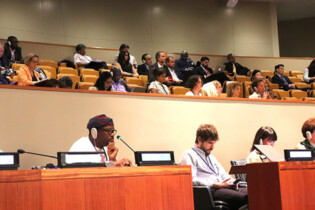
This September the UN turns 80, but the lessons of peace, justice, and cooperation are still unfinished. The world today faces the flames of inequality, conflict, ecological collapse and growing digital threats. In short, the very problems the UN was created to solve are once again staring us in the face.
HLPF 2025: Civil Society Is Not A Service Provider – We Are The Frontline Of Transformation
As delegates gather in New York over the coming weeks for the 2025 High-Level Political Forum (HLPF), we see this moment as a test. A test of whether world leaders are serious about rescuing the Sustainable Development Goals (SDGs) - or content to let the promises of Agenda 2030 drift quietly into irrelevance.
Time to Redesign Global Development Finance
Can the Fourth International Conference on Financing for Development (FFD4) be a turning point? The stakes are high. The international financial system—so important to each and every one of us—feels out of reach and resistant to change, because it is deeply entrenched in unjust power imbalances that keep it in place. We deserve better.
Safeguarding Civil Society – a New Global Initiative Could Become a Game-Changer
Across the world, civil society faces increasing pressure—from restrictive laws on civil society operations to digital surveillance, funding restrictions, and direct attacks on human rights defenders. In response, a global civil society coalition is stepping up. The newly launched European Union System for an Enabling Environment for Civil Society (EU SEE) spans 86 countries, equipping civil society actors, governments and other stakeholders with the data, tools, and resources needed to anticipate and respond in real time to shifts in the enabling environment—ensuring that civil society can thrive, freely express itself, and actively shape its context.
Civil Society Fights Against Budget Cuts Amid Calls for “Aid” Reform
Multiple conflicts, the climate emergency and other crises are destabilising many parts of the world and intensifying the strain on the resources needed to finance the global sustainable development agenda. Amid these challenges, data from 2023, shows that Official Development Assistance (ODA) reached a record-breaking US$223.7 billion, up from US$211 billion the previous year, according to Eurodad.
Summit of the Future: On the Need for Civil Society to Make Its Voice Count at the UN
In a context of shrinking civic space that threatens civil society participation in an increasing number of countries and all the way to some UN processes, world leaders will gather to discuss the “multilateralism we want” at the Summit of the Future at the United Nations headquarters in New York.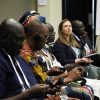
Democracy, Civic Space and Fundamental Freedoms Are under Attack, but Civil Society Is Here to Stay
During the Forus network’s General Assembly which took place in Gaborone, Botswana, civil society organisations from across 65 countries highlighted the challenges facing them globally in an increasingly polarised and crisis-hit world.
We Heard Public Development Banks, but Will They Have the Guts to Deliver?
Public development banks have committed to ramp up action to tackle climate change, to protect biodiversity, to promote human rights, to align their investments with the SDGs and the Paris Agreement, and to create spaces of dialogue with civil society, farmers, indigenous peoples, and communities affected by the projects that they, as banks, finance.





The Week with IPS

NEXT STOP - SDGs
Tracking global progress towards a sustainable world
Tracking global progress towards a sustainable world
