Languages
Tuesday, October 20, 2026



News and Views from the Global South
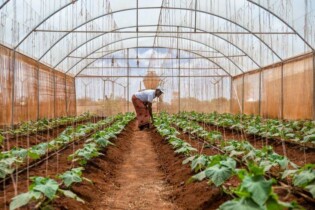
Food Systems Are the Missing Link in Social Development
Food has always been political. It decides whether families thrive or fall into poverty, whether young people see a future of opportunity or despair, whether communities feel included or pushed aside. Food is also a basic human right – one recognized in international law but too often unrealized in practice. Guaranteeing that right requires viewing food not as a form of emergency relief, but as the cornerstone of sustainable social development.
Africa’s Moment: From Addis to the World, Food Systems Must Change Now
The global food system is under pressure from every direction – climate, conflict, inequality, and economic instability. But in Addis Ababa this July, something shifted. At the UN Food Systems Summit +4 Stocktake (UNFSS+4), over 3,500 people from 150 countries came together to confront the lack of progress and push forward solutions that can no longer wait.





The Week with IPS

NEXT STOP - SDGs
Tracking global progress towards a sustainable world
Tracking global progress towards a sustainable world
